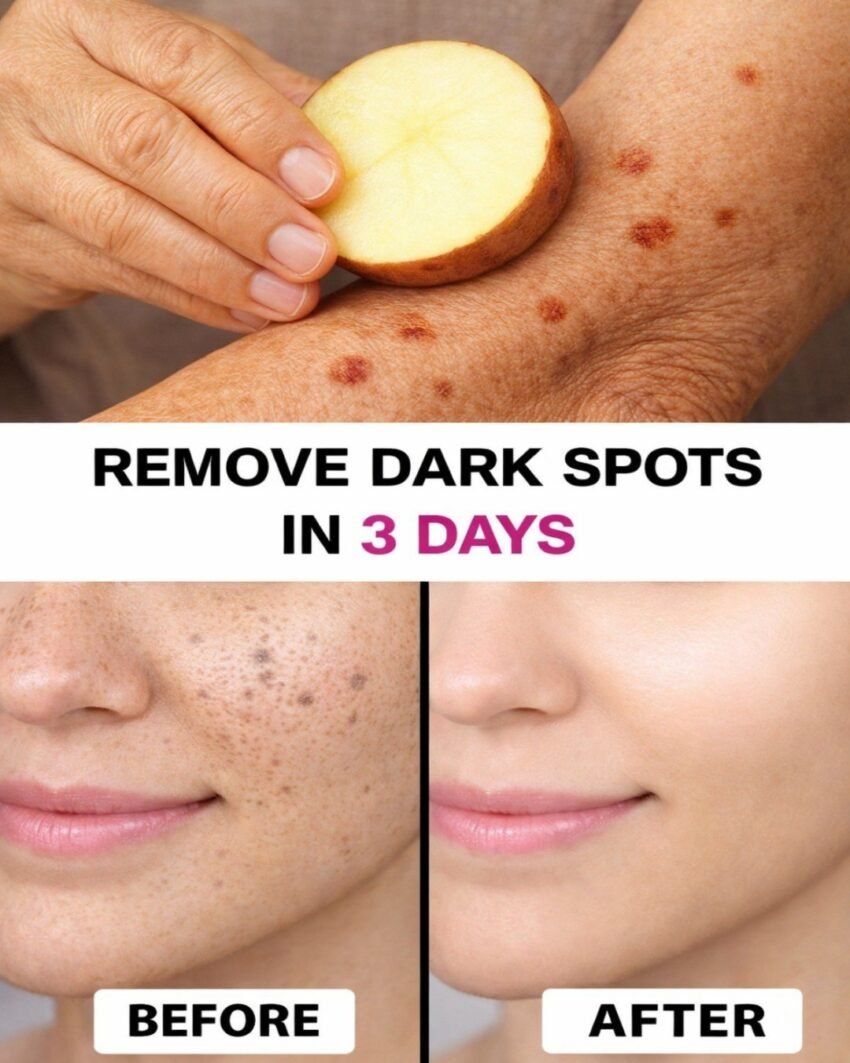
How to Eliminate Age Spots, Melasma, Sun Spots, Blemishes, and Other Signs of Aging Naturally
Discover safe, dermatologist-backed ways to fade age spots, melasma, sun spots, blemishes, and visible signs of aging for brighter, smoother skin at any age.
Introduction: Your Skin Deserves a Fresh Start
As we age or spend time in the sun, our skin can develop age spots, sun spots, melasma, and blemishes—all frustrating reminders of time and environmental damage.
The good news? These pigmentation issues and early signs of aging can be improved with consistent, safe practices. You don’t need harsh chemicals or invasive procedures to see a noticeable difference.
In this guide, you’ll learn:
-
Why these skin issues appear
-
Proven treatments and home remedies
-
Daily habits to prevent further damage
-
Tips for healthy, radiant skin at any age
Why Age Spots, Sun Spots, and Melasma Appear
1. Sun Exposure
-
Ultraviolet (UV) rays trigger melanin production
-
Long-term exposure causes sun spots (solar lentigines)
2. Hormonal Changes
-
Pregnancy, menopause, or hormonal therapies can trigger melasma (patchy dark spots)
3. Aging Skin
-
Reduced skin turnover leads to pigment accumulation
-
Natural slowing of cell regeneration contributes to dullness and age spots
4. Skin Inflammation and Damage
-
Acne, scratches, or irritation can leave dark marks
-
Chronic inflammation promotes hyperpigmentation
Daily Skincare Strategies
1. Sun Protection Is Key
-
Apply SPF 30+ every day, even indoors
-
Wear hats and sunglasses
-
Reapply sunscreen every 2–3 hours outdoors
2. Gentle Exfoliation
-
Use chemical exfoliants (AHA/BHA) 1–3 times per week
-
Exfoliation removes dead skin and promotes cell turnover
3. Targeted Treatments
-
Vitamin C serum: Brightens dark spots, promotes collagen
-
Niacinamide: Reduces pigment formation
-
Retinoids: Increase cell turnover, fade discoloration
-
Azelaic acid: Effective for melasma and post-acne marks
4. Natural Remedies (Optional)
-
Aloe vera gel: Soothes and lightens hyperpigmentation
-
Green tea extract: Antioxidant that helps prevent dark spots
-
Licorice root extract: Reduces melanin production
Lifestyle Tips for Healthy Skin
-
Stay hydrated: Keeps skin plump and supports regeneration
-
Eat antioxidant-rich foods: Berries, leafy greens, nuts, and fatty fish
-
Avoid harsh scrubbing: Can worsen pigmentation
-
Get enough sleep: Supports skin repair and hormone balance
-
Avoid tanning beds: UV exposure accelerates aging and dark spots
Professional Options (Safe and Effective)
-
Chemical peels: Remove surface layers to fade dark spots
-
Laser therapy: Targets deep pigmentation
-
Microneedling: Improves texture, reduces pigmentation
-
Prescription creams: Hydroquinone or tretinoin (under dermatologist guidance)
Real-Life Success Story
Maria, 52, California:
“After years of stubborn sun spots and melasma, I started daily SPF, vitamin C serum, and weekly exfoliation. Within three months, my spots visibly faded, and my skin looked brighter and smoother. I feel 10 years younger!”
Frequently Asked Questions
1. Can age spots disappear on their own?
Usually not. They may lighten slightly, but consistent treatment is needed for noticeable results.
2. How long before I see improvement?
Mild spots may fade in 6–8 weeks; stubborn melasma can take several months.
3. Can natural remedies alone work?
They help maintain healthy skin and prevent worsening, but may not fully remove stubborn spots.
4. Is it safe to use retinoids after 40?
Yes, but start with low concentration and apply at night, following dermatologist guidance.
5. Can I prevent new spots while treating old ones?
Absolutely! Daily SPF, antioxidants, and gentle care prevent new pigmentation from forming.
Age spots, melasma, sun spots, blemishes, and other signs of aging can be significantly reduced with a combination of:
-
Sun protection
-
Topical treatments
-
Gentle exfoliation
-
Healthy lifestyle choices
Consistency is key. By protecting your skin and supporting its natural renewal process, you can achieve brighter, smoother, more youthful-looking skin at any age.