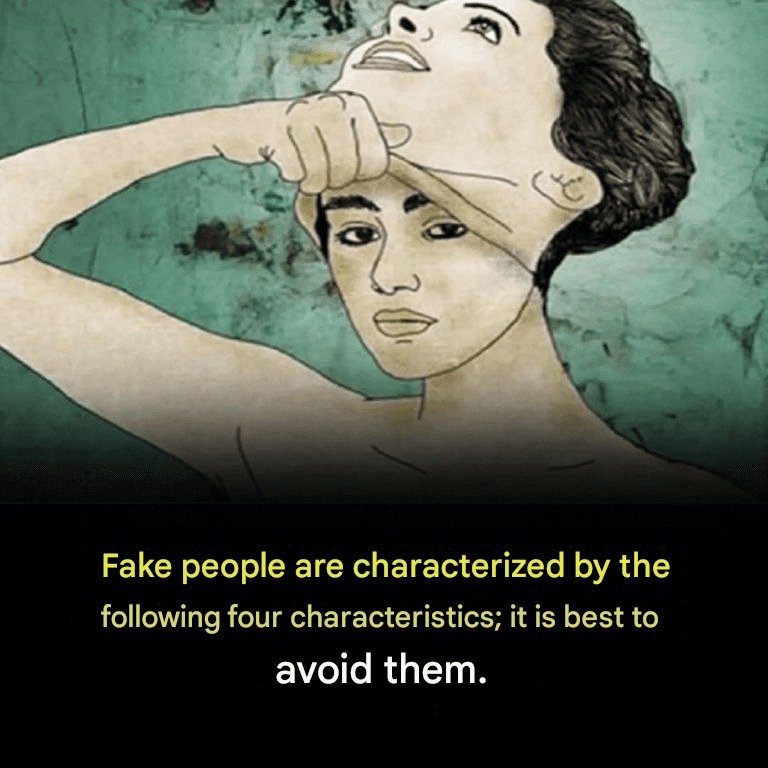
Fake People Have the Following Four Characteristics (And How to Protect Yourself)
Learn the four key traits of fake people, why they act the way they do, and practical tips for protecting your energy and relationships.
How to Spot Fake People Before They Drain Your Energy
Most of us have encountered someone who seems friendly on the surface but leaves us feeling uneasy or manipulated. These are often “fake” people—individuals who present a version of themselves that doesn’t align with who they really are.
Recognizing their behavior is crucial for protecting your emotional well-being. While everyone can have off days, consistently exhibiting certain patterns is a red flag.
Here are the four defining characteristics of fake people.
1. They Constantly Seek Attention or Validation
Fake people often need others to affirm their worth.
Signs include:
-
Bragging excessively about achievements
-
Fishing for compliments
-
Exaggerating stories to gain admiration
Why it matters:
They may base their self-esteem on how others perceive them, rather than on genuine confidence.
How to protect yourself:
-
Avoid feeding constant validation cycles
-
Set boundaries for conversations that revolve only around them
2. They Talk More About Others Than About Themselves Honestly
One common trait is gossiping or criticizing behind someone’s back.
-
They may flatter you in person but speak negatively about you or others when you’re not around
-
Conversations often revolve around other people’s lives, mistakes, or drama
Why it matters:
This behavior signals a lack of authenticity and trustworthiness.
How to protect yourself:
-
Observe consistency between what they say in person and what others report
-
Limit sharing personal information with them
3. Their Actions Don’t Match Their Words
Fake people often make promises they don’t keep or act in ways that contradict what they say.
-
Compliments or expressions of support feel insincere
-
They say one thing but do another, especially when it comes to commitments or accountability
Why it matters:
This inconsistency is draining and makes it hard to rely on them.
How to protect yourself:
-
Judge them by actions rather than words
-
Avoid putting trust in people until they consistently prove it
4. They Are Emotionally Manipulative
Fake people often use guilt, flattery, or deception to get what they want.
-
They may exaggerate problems to gain sympathy
-
Use subtle manipulation to influence your choices
-
Create drama to maintain attention or control
Why it matters:
This behavior can subtly erode your confidence and peace of mind.
How to protect yourself:
-
Recognize manipulation patterns
-
Maintain emotional boundaries
-
Trust your instincts when something feels off
How to Handle Fake People in Your Life
-
Distance Yourself Gradually: Limit interactions without creating unnecessary conflict
-
Keep Conversations Neutral: Avoid sharing deeply personal details
-
Trust Your Gut: Intuition is often the first warning sign
-
Surround Yourself With Authentic People: Build relationships with trustworthy, transparent individuals
Real-Life Example
Imagine a coworker who constantly praises you in meetings but later spreads rumors about your mistakes. Initially, it feels flattering, but over time, you notice a pattern of inconsistency and manipulation. Recognizing these traits early allows you to protect your reputation and emotional energy without confrontation.
Fake people may seem charming at first, but their behaviors are usually predictable if you know what to look for.
The four key characteristics are:
-
Constantly seeking attention or validation
-
Gossiping or focusing on others dishonestly
-
Actions that don’t match words
-
Emotional manipulation
By identifying these traits, you can protect your energy, maintain healthy boundaries, and cultivate more genuine relationships.
Pay attention to these patterns—you deserve authentic people in your life, not energy-draining pretenders.