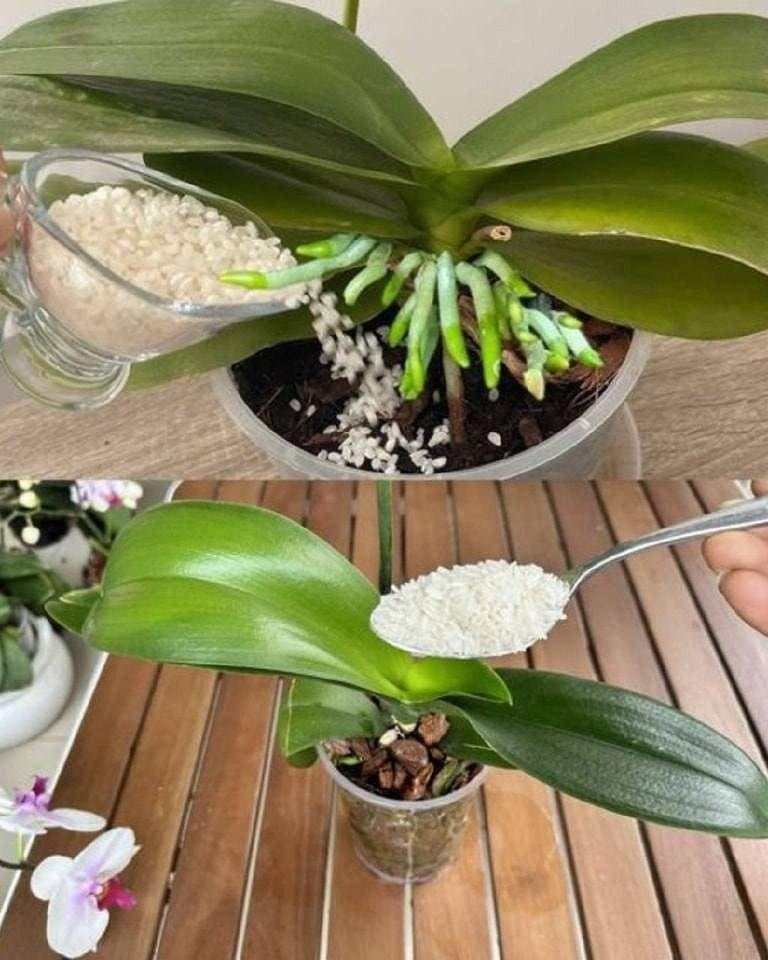
Fertilize Your Orchid the Right Way: How to Get Abundant, Long-Lasting Blooms
Learn how to fertilize orchids properly for bigger, longer-lasting blooms. Discover the best nutrients, schedule, and expert tips for healthy orchid flowers.
Why Some Orchids Bloom Beautifully While Others Don’t
Orchids are famous for their elegant flowers and long-lasting blooms. Yet many orchid owners face a common frustration: the plant grows leaves but rarely produces flowers, or the blooms last only a short time.
In most cases, the problem isn’t the plant—it’s the fertilization routine.
Orchids are different from most houseplants. In nature, many species grow on tree bark rather than soil, meaning they receive very small but frequent amounts of nutrients from rainwater and organic debris.
When grown indoors, replicating this balance is key. Proper fertilization can dramatically improve:
-
Flower production
-
Bloom duration
-
Root strength
-
Overall plant health
If done correctly, your orchid can reward you with larger flowers and blooms that last for months.
Understanding What Orchids Actually Need
Most commonly grown indoor orchids belong to the genus Phalaenopsis, often called moth orchids.
These orchids need three primary nutrients to support blooming:
| Nutrient | Role in the Plant |
|---|---|
| Nitrogen (N) | Promotes leaf and stem growth |
| Phosphorus (P) | Encourages flower formation |
| Potassium (K) | Strengthens roots and overall plant health |
Balanced fertilizers supply these nutrients in ratios such as 20-20-20 or 10-30-20.
But orchids need them in very diluted amounts.
The “Weakly, Weekly” Rule Orchid Growers Swear By
Professional orchid growers often follow a simple guideline:
“Fertilize weakly, weekly.”
This means applying fertilizer at low strength but consistently.
Instead of using full-strength fertilizer once a month, it’s better to:
-
Dilute fertilizer to about ¼ strength
-
Apply it once a week during active growth
This mimics how orchids receive nutrients in the wild.
Best Fertilizers for Orchids
Several types of fertilizers work well for orchids.
1. Balanced Orchid Fertilizer
Many growers use balanced formulas like 20-20-20 designed specifically for orchids.
These support general plant growth and flowering.
2. Bloom-Boosting Fertilizer
During the flowering stage, fertilizers higher in phosphorus may encourage bud formation.
Examples include 10-30-20 formulas.
3. Organic Fertilizers
Some orchid enthusiasts prefer natural options such as:
-
Fish emulsion
-
Seaweed extract
-
Compost tea
These provide trace minerals that support plant health.
Step-by-Step: How to Fertilize Orchids Correctly
Step 1: Water the Orchid First
Always water the plant with plain water before fertilizing.
This prevents fertilizer salts from burning the roots.
Step 2: Dilute the Fertilizer
Mix fertilizer at ¼ recommended strength.
Orchid roots are sensitive and prefer mild solutions.
Step 3: Apply the Fertilizer
Pour the solution over the roots until water drains from the pot.
Avoid letting fertilizer sit in the crown of the plant.
Step 4: Flush Monthly
Once a month, rinse the pot thoroughly with plain water.
This removes mineral buildup that could harm roots.
Simple Homemade Fertilizer Ideas
Many gardeners use kitchen ingredients to nourish orchids.
Banana Peel Solution
Banana peels contain potassium and small amounts of phosphorus.
How to use:
-
Soak a banana peel in water for 24–48 hours
-
Dilute the liquid
-
Water the orchid lightly
Rice Water
Water left from rinsing rice contains small amounts of minerals that can benefit plants.
Use occasionally as a mild nutrient source.
Real-World Example
A home gardener in Florida had a **Phalaenopsis plant that hadn’t bloomed for nearly a year.
After switching to a routine of:
-
Weekly diluted fertilizer
-
Bright indirect light
-
Regular root watering
the orchid produced two long flower spikes and bloomed for almost three months.
This demonstrates how proper feeding can transform orchid performance.
Common Fertilizing Mistakes
Even well-meaning plant owners sometimes make mistakes.
Over-Fertilizing
Too much fertilizer can cause:
-
Burned roots
-
Leaf damage
-
Reduced flowering
Less is almost always better.
Fertilizing Dry Roots
Applying fertilizer to dry roots increases the risk of damage.
Always water first.
Ignoring Light Conditions
Even perfect fertilizer won’t help if the orchid doesn’t receive enough light.
Orchids need bright, indirect light to produce flowers.
Expert Tips for More Orchid Blooms
Provide Temperature Changes
Many orchids initiate flower spikes when nighttime temperatures drop slightly.
A 10°F difference between day and night can stimulate blooming.
Trim Old Flower Spikes Carefully
If a spike turns brown, trim it near the base to encourage new growth.
Use Proper Potting Mix
Orchids should grow in bark or specialized orchid mix, not regular soil.
This ensures roots receive enough oxygen.
Signs Your Orchid Is Getting the Right Nutrition
Healthy orchids usually show:
-
Firm green leaves
-
Thick aerial roots
-
Steady new growth
-
Flower spikes forming from the base
If leaves become dark green but no flowers appear, the plant may be receiving too much nitrogen.
Frequently Asked Questions
How often should orchids be fertilized?
Many growers fertilize lightly once per week during active growth.
Should orchids be fertilized while blooming?
Yes, but use very diluted fertilizer to avoid stressing the plant.
Can I use regular plant fertilizer?
Yes, but it should be diluted heavily because orchids are sensitive.
What is the best fertilizer ratio for orchids?
Balanced formulas such as 20-20-20 are commonly used.
Why does my orchid grow leaves but no flowers?
Common causes include low light, excessive nitrogen, or lack of temperature variation.
Do orchids need fertilizer year-round?
Fertilizing is usually reduced during winter or dormancy periods.
Can coffee grounds fertilize orchids?
They’re generally not recommended because they may affect pH and cause mold.
How long do orchid blooms last?
Some orchids can bloom for 2–4 months under proper care.
Quick Orchid Fertilizing Checklist
For abundant and long-lasting blooms:
✔ Use diluted orchid fertilizer
✔ Follow the “weakly, weekly” rule
✔ Water roots before feeding
✔ Flush the pot monthly
✔ Provide bright indirect light
✔ Ensure good airflow and drainage
These simple steps can significantly improve flowering.
Conclusion
Orchids may look delicate, but with the right care they are surprisingly resilient plants.
Proper fertilization—combined with good lighting and watering—helps them produce more flower spikes and longer-lasting blooms.
By feeding orchids gently and consistently, you recreate the natural conditions these plants experience in the wild.
And with patience, your orchid can reward you with spectacular flowers that return year after year.
To help orchids bloom abundantly and for longer, fertilize them lightly but regularly using diluted orchid fertilizer, maintain bright indirect light, and avoid overfeeding.
Consistency—not heavy feeding—is the real secret to beautiful orchid blooms.
If you found these orchid care tips helpful, feel free to share them with fellow plant lovers, leave a comment about your orchid’s blooming success, or explore more guides on keeping houseplants thriving. 🌸