Fibromyalgia: The Silent Illness That Affects the Body and Soul — Causes, Symptoms, Treatments, and Natural Remedies
Explore fibromyalgia, the silent illness affecting both body and mind. Learn causes, symptoms, medical treatments, and natural remedies to improve quality of life.
Understanding Fibromyalgia: More Than Just Pain
Fibromyalgia is often called a “silent illness” because its symptoms are largely invisible yet deeply impactful. People with fibromyalgia experience widespread pain, fatigue, and emotional strain that can disrupt daily life, work, and relationships.
In the United States, it affects around 4 million adults, predominantly women, though men and children can also experience the condition. Despite its prevalence, fibromyalgia is often misunderstood, making awareness and education critical.
This guide explores causes, symptoms, treatments, and natural remedies to help those affected regain control and improve quality of life.
What Causes Fibromyalgia?
The exact cause is unknown, but research points to multiple factors:
1. Abnormal Pain Processing
People with fibromyalgia have an increased sensitivity to pain due to amplified signals in the central nervous system. This means that normal sensations can feel painful.
2. Genetics
Fibromyalgia tends to run in families, suggesting a genetic predisposition. Certain genes may influence how the body processes pain.
3. Physical or Emotional Trauma
Events such as car accidents, surgery, or prolonged emotional stress can trigger fibromyalgia in susceptible individuals.
4. Infections
Some infections may act as triggers, increasing inflammatory responses and nervous system sensitivity.
5. Sleep Disturbances
Poor sleep and conditions like sleep apnea can worsen symptoms and reduce the body’s natural repair mechanisms.
Common Symptoms of Fibromyalgia
Fibromyalgia affects both the body and the mind. Symptoms vary in intensity and can fluctuate daily:
Physical Symptoms
-
Widespread pain, often described as burning, aching, or stabbing
-
Stiffness, particularly in the morning
-
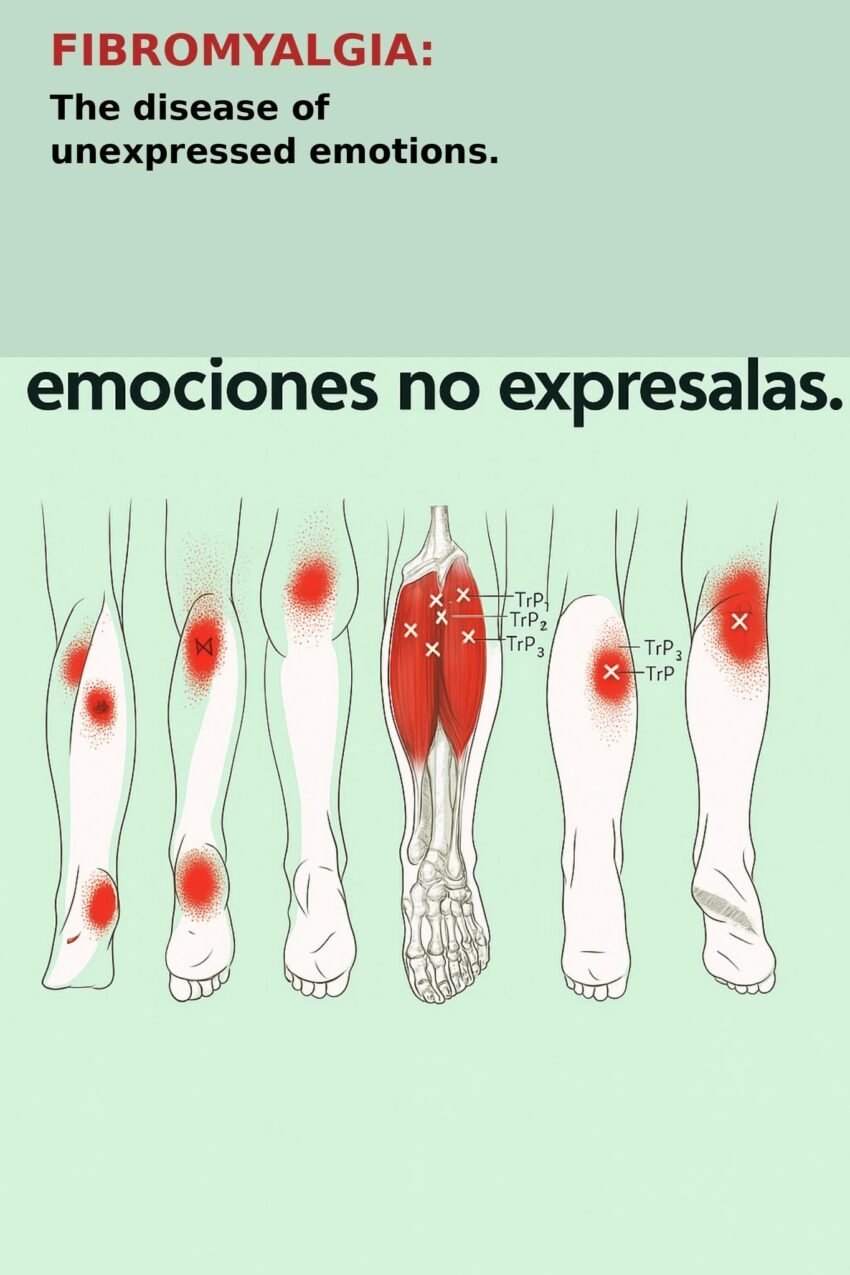
Tender points on the neck, shoulders, back, hips, and knees
-
Fatigue and low energy
-
Headaches or migraines
-
Digestive issues such as IBS (irritable bowel syndrome)
Cognitive and Emotional Symptoms
-
Difficulty concentrating (“fibro fog”)
-
Memory problems
-
Anxiety and depression
-
Mood swings
-
Sleep disturbances
Because symptoms are invisible, people with fibromyalgia may feel misunderstood or dismissed, further impacting mental health.
Diagnosing Fibromyalgia
Fibromyalgia is a diagnosis of exclusion, meaning doctors rule out other conditions first. Common steps include:
-
Reviewing medical history and symptoms
-
Physical exam for tender points
-
Blood tests to rule out autoimmune or thyroid disorders
-
Sleep assessments if fatigue is severe
Early diagnosis is key to managing symptoms and preventing worsening of quality of life.
Conventional Medical Treatments
While there is no cure for fibromyalgia, several treatments help manage symptoms:
1. Medications
-
Pain relievers: Over-the-counter options like acetaminophen or prescription medications
-
Antidepressants: Certain types can reduce pain and improve sleep
-
Anti-seizure medications: Some help relieve nerve-related pain
2. Physical Therapy
Tailored exercises improve mobility, reduce stiffness, and increase endurance.
3. Cognitive Behavioral Therapy (CBT)
CBT helps manage pain perception, stress, and coping strategies for living with chronic illness.
4. Sleep Management
Addressing sleep problems through good sleep hygiene or medical interventions can reduce fatigue and improve overall well-being.
Natural Remedies and Lifestyle Approaches
Many people with fibromyalgia turn to natural remedies and lifestyle changes alongside conventional treatments.
1. Gentle Exercise
-
Walking, swimming, yoga, and tai chi improve flexibility and reduce pain.
-
Start slow and gradually increase intensity to avoid flare-ups.
2. Stress Management
-
Mindfulness meditation, deep breathing, and progressive muscle relaxation can lower stress hormones and reduce symptom intensity.
3. Diet and Nutrition
-
Anti-inflammatory diets rich in fruits, vegetables, omega-3 fatty acids, and whole grains can support overall health.
-
Limiting processed foods, sugar, and caffeine may help reduce inflammation and improve sleep.
4. Heat and Cold Therapy
-
Warm baths, heating pads, and warm compresses relax muscles and relieve pain.
-
Ice packs may reduce localized pain or inflammation.
5. Alternative Therapies
-
Acupuncture, massage therapy, and chiropractic care can provide temporary relief and improve circulation.
-
Supplements such as magnesium, vitamin D, and omega-3s may help, though it’s important to consult a healthcare professional first.
Coping with Fibromyalgia on a Daily Basis
Living with fibromyalgia requires practical strategies:
-
Pace yourself: Break tasks into manageable steps to conserve energy
-
Maintain routine: Consistent sleep and meal times improve stability
-
Seek support: Join fibromyalgia support groups online or locally
-
Track symptoms: Journaling helps identify triggers and effective remedies
-
Communicate: Educate friends and family about your condition to reduce stress
Real-Life Perspective
Many patients describe fibromyalgia as a “storm inside the body and mind”. While some days are manageable, flare-ups can be unpredictable.
One woman in Texas shared:
“I never realized how much energy daily activities consume until fibromyalgia slowed me down. Gentle yoga, meditation, and pacing myself have helped me reclaim my life a bit at a time.”
Stories like these show that, while fibromyalgia is challenging, a combination of medical care, natural remedies, and lifestyle adjustments can significantly improve quality of life.
Frequently Asked Questions
Can fibromyalgia be cured?
Currently, there is no cure, but treatments and lifestyle changes can significantly reduce symptoms.
Is fibromyalgia considered a mental illness?
No. Fibromyalgia is a physical condition affecting nerves, muscles, and pain processing, though it can impact mental health.
Can diet really affect symptoms?
Yes. Anti-inflammatory diets, limiting processed foods, and staying hydrated can help manage pain and fatigue.
Are all treatments equally effective?
Effectiveness varies by individual. A combination of medical treatments and lifestyle modifications usually works best.
How is fibromyalgia different from arthritis?
Fibromyalgia affects soft tissue and nerves rather than the joints themselves, although both can cause chronic pain.
Fibromyalgia is a silent illness that affects both the body and soul. Its complex symptoms can be overwhelming, but awareness, early diagnosis, and a combination of medical and natural approaches can help patients live meaningful, productive lives.
If you or a loved one is struggling with fibromyalgia:
-
Learn about triggers and symptoms
-
Explore medical and natural treatment options
-
Prioritize sleep, nutrition, and gentle movement
-
Seek emotional support and community
Managing fibromyalgia is a journey, but you can reclaim quality of life with the right strategies and support.