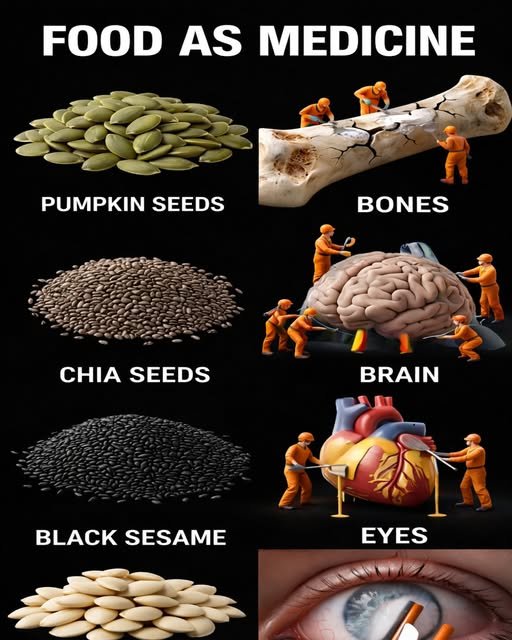
Food as Medicine: How Everyday Foods Genuinely Support Your Organs (Backed by Science, Not Hype)
Discover how everyday foods support your organs naturally. Science-backed, practical guidance to use food as medicine—without fads or false promises.
Introduction: What If Your Next Meal Did More Than Just Fill You Up?
Most Americans don’t think about their organs until something goes wrong.
A blood test comes back off.
Your energy crashes by 3 p.m.
Digestion feels “off,” but not bad enough to see a doctor.
Here’s the quiet truth: long before disease shows up, your body is already asking for support—and food is one of the first tools it uses to communicate.
This article isn’t about miracle superfoods or detox myths. It’s about how everyday foods—many already in your kitchen—play a real, measurable role in supporting specific organs like your heart, liver, gut, brain, and kidneys.
You’ll learn:
-
How food interacts with your organs on a biological level
-
Which common foods support which organs (and why)
-
How to apply this knowledge safely in real American lifestyles
-
What food can and cannot do—without exaggeration
No hype. No fear tactics. Just practical, evidence-informed guidance you can actually use.
Understanding the “Food as Medicine” Concept (Without the Buzzwords)
What People Get Wrong About Food and Health
In the U.S., nutrition advice often swings between extremes:
-
“This food cures everything”
-
“That food will kill you”
Reality lives in the middle.
Food doesn’t replace doctors, prescriptions, or medical treatment. But it does influence how well your organs function day to day, especially over time.
How Food Supports Organs (At a Simple Level)
Your organs rely on food to:
-
Provide building blocks (amino acids, fatty acids, minerals)
-
Reduce or increase inflammation
-
Support detoxification pathways
-
Fuel repair and regeneration
-
Regulate hormones and enzymes
When your diet consistently lacks key nutrients—or overloads certain systems—organs compensate until they can’t anymore.
That’s where food becomes either supportive or stressful.
Food and Organ Health: A Practical Breakdown
Below is how everyday foods interact with major organs—based on physiology, not trends.
How Food Supports Heart Health
What the Heart Needs Most
Your heart thrives on:
-
Stable blood sugar
-
Healthy blood fats
-
Balanced electrolytes
-
Low chronic inflammation
Foods That Actively Support the Heart
1. Fatty Fish (Salmon, Sardines, Trout)
-
Rich in omega-3 fatty acids
-
Supports normal heart rhythm and blood vessel flexibility
2. Oats
-
Contain beta-glucan fiber
-
Helps manage LDL cholesterol levels
3. Olive Oil
-
Monounsaturated fats support healthy arteries
-
Polyphenols help reduce oxidative stress
4. Leafy Greens
-
High in potassium and magnesium
-
Support blood pressure regulation
Real-Life Use Case
Swapping butter-heavy breakfasts for oatmeal with berries and nuts is one of the simplest heart-supportive changes Americans can make—no supplements required.
Common Mistake
Assuming “low-fat” equals heart-healthy. Many low-fat foods increase sugar intake, which stresses the heart over time.
How Food Supports Liver Function
Your Liver’s Actual Job
The liver:
-
Processes medications and alcohol
-
Regulates blood sugar
-
Produces bile for digestion
-
Neutralizes toxins (not “stores” them)
Foods That Help the Liver Do Its Job
1. Cruciferous Vegetables (Broccoli, Brussels Sprouts, Cabbage)
-
Support natural detox enzymes
-
Help the liver process waste efficiently
2. Coffee (Yes, Really)
-
Associated with lower risk of liver disease
-
Supports enzyme balance when consumed in moderation
3. Garlic
-
Contains sulfur compounds that activate detox pathways
4. Beets
-
Support bile flow and antioxidant activity
What Food Can’t Do
No food “flushes toxins” overnight. Detox teas and cleanses often stress the liver instead of helping it.
Common Mistake
Thinking occasional “cleanses” undo daily ultra-processed food and alcohol intake. Consistency matters more than extremes.
How Food Supports Gut Health (Your Second Brain)
Why the Gut Matters More Than You Think
Your gut influences:
-
Immunity
-
Mood regulation
-
Inflammation
-
Nutrient absorption
Foods That Support the Digestive System
1. Fermented Foods (Yogurt, Kefir, Sauerkraut)
-
Provide beneficial bacteria
-
Support microbial diversity
2. Fiber-Rich Foods (Beans, Lentils, Vegetables)
-
Feed gut bacteria
-
Promote regular digestion
3. Bone Broth
-
Provides amino acids that support gut lining integrity
Step-by-Step Gut Support Routine
-
Add one fermented food daily
-
Increase fiber gradually (avoid sudden overload)
-
Hydrate consistently
Common Mistake
Overusing probiotics while ignoring fiber intake. Good bacteria need fuel to survive.
How Food Supports Brain Function and Mental Clarity
What the Brain Uses for Fuel
Your brain depends on:
-
Glucose (steady, not spiked)
-
Healthy fats
-
Micronutrients like B vitamins
Brain-Supportive Foods
1. Blueberries
-
Rich in antioxidants
-
Support memory and cognitive aging
2. Eggs
-
Contain choline for neurotransmitter production
3. Walnuts
-
Provide omega-3 fats
-
Support neural communication
4. Dark Chocolate (in moderation)
-
Improves blood flow to the brain
Real-World Scenario
Replacing afternoon candy or soda with nuts and fruit often improves focus without caffeine crashes.
How Food Supports Kidney Health
Kidneys and Balance
Your kidneys regulate:
-
Fluid levels
-
Electrolytes
-
Waste removal
Foods That Help (For Generally Healthy Adults)
1. Hydrating Foods
-
Cucumbers, watermelon, oranges
2. Berries
-
Lower potassium than many fruits
-
High in antioxidants
3. Cauliflower
-
Kidney-friendly vegetable alternative
Important Note
Kidney conditions require personalized dietary guidance. What supports healthy kidneys may not apply to advanced disease.
Pros and Cons of Using Food as a Health Strategy
Pros
-
Sustainable and accessible
-
Supports long-term health
-
Lower risk than extreme interventions
-
Encourages body awareness
Cons
-
Results are gradual, not instant
-
Requires consistency
-
Can be misunderstood or oversold
Common Beginner Mistakes (And How to Avoid Them)
-
Expecting quick fixes
→ Focus on habits, not hacks. -
Overloading on one “healthy” food
→ Variety protects organs better than extremes. -
Ignoring overall lifestyle
→ Sleep, movement, and stress matter just as much. -
Self-diagnosing based on internet advice
→ Food supports health but doesn’t replace medical care.
Latest Trends and What Actually Matters
What’s Popular Right Now
-
Anti-inflammatory diets
-
Gut health awareness
-
Personalized nutrition
What’s Likely to Stick
-
Focus on whole foods
-
Metabolic health over weight loss
-
Simplicity over restriction
The future isn’t about eating “perfectly.” It’s about eating appropriately and consistently.
FAQs: People Also Ask
Can food really improve organ function?
Food supports normal function but doesn’t cure diseases. Effects build over time.
Is food better than supplements?
Whole foods provide nutrients in balanced forms that supplements can’t fully replicate.
How long before changes are noticeable?
Energy and digestion may improve in weeks; deeper changes take months.
Are superfoods necessary?
No. Common foods offer powerful benefits when eaten regularly.
Does this replace medication?
Absolutely not. Food complements medical care—it doesn’t replace it.
Is organic food required?
Helpful when possible, but not mandatory for benefits.
Can kids benefit from this approach?
Yes—balanced diets support growing organs.
What’s the biggest takeaway?
Consistency beats perfection every time.
Conclusion: Small Choices, Big Impact Over Time
Food isn’t magic—but it’s not neutral either.
Every meal nudges your body toward support or stress. The good news? You don’t need extreme diets, expensive supplements, or perfect discipline.
Just small, repeatable choices that respect how your organs actually work.
If this guide helped you see food differently:
-
Share it with someone who needs practical health advice
-
Leave a comment with your biggest takeaway
-
Explore more evidence-based nutrition topics to build on this foundation
Your body is already doing the hard work. The least we can do is feed it wisely.