Found Steaks in the Freezer? Here’s Exactly How to Tell If They’re Still Safe to Cook
Found steaks hiding in your freezer? Learn how to tell if frozen steak is still safe to cook, how long it lasts, and the best ways to thaw and cook it.
The Freezer Surprise: Are Those Steaks Still Good?
It happens more often than people admit.
You’re digging through the freezer looking for frozen vegetables or ice cream when something unexpected appears buried under a layer of frost — a couple of steaks you completely forgot about.
Immediately, a few questions pop into your mind:
-
How long have these been here?
-
Are they still safe to eat?
-
Should I cook them… or toss them?
The good news is that frozen food is incredibly resilient. In many cases, steaks found deep in the freezer are perfectly safe to cook, even if they’ve been there longer than you expected.
However, quality and safety depend on several factors.
In this guide, you’ll learn:
-
How long steak can safely stay frozen
-
Clear signs a frozen steak is still good
-
Warning signs you should throw it away
-
The best ways to thaw and cook old frozen steaks
-
Common freezer mistakes people make
-
Expert tips for preventing freezer burn
Let’s start with the most important question.
How Long Can Steak Stay in the Freezer?
According to food safety guidelines from the United States Department of Agriculture (USDA), frozen meat can technically stay safe indefinitely if kept at 0°F (-18°C).
But that doesn’t mean the quality will stay the same forever.
Here’s a realistic guideline for steak quality.
| Steak Type | Best Quality in Freezer |
|---|---|
| Raw steak | 6–12 months |
| Cooked steak | 2–3 months |
After that timeframe, the steak may still be safe to eat, but the flavor and texture can decline.
First Step: Check the Packaging
Before deciding whether to cook the steak, take a close look at how it’s wrapped.
Good signs
-
Vacuum sealed packaging
-
Thick freezer bags with minimal air
-
Little to no frost buildup
Warning signs
-
Large ice crystals inside the bag
-
Torn packaging
-
Excessive frost or snow-like ice
Air exposure causes freezer burn, which affects flavor but doesn’t always make meat unsafe.
Signs Your Frozen Steak Is Still Safe
If you’ve found forgotten steaks, check for these positive signs.
1. No strong odor after thawing
Once thawed, fresh steak should smell neutral or slightly meaty.
A sour or ammonia-like smell is a red flag.
2. Color looks normal
Frozen steak may appear darker or slightly brownish.
That’s normal due to oxygen exposure.
But avoid meat that turns:
-
Gray-green
-
Iridescent
-
Slimy
3. Texture feels firm
When thawed, steak should feel firm and slightly moist, not sticky or slimy.
4. Minimal freezer burn
White or gray patches indicate freezer burn.
While not dangerous, heavily freezer-burned meat may taste dry or tough.
When You Should Throw the Steak Away
Even frozen food has limits.
Discard the steak if you notice:
-
A strong sour smell
-
Sticky or slimy texture
-
Severe discoloration
-
Packaging damage with thaw/refreeze signs
When in doubt, food safety experts recommend throwing it out.
Food poisoning simply isn’t worth the risk.
The Best Way to Thaw Frozen Steaks
Thawing correctly makes a huge difference in taste and safety.
Method 1: Refrigerator thawing (Best option)
Place the steak on a plate in the fridge.
Time needed:
-
Thin steaks: 12–18 hours
-
Thick steaks: 24 hours
This method keeps the meat at a safe temperature.
Method 2: Cold water thawing
If you’re short on time:
-
Place steak in a sealed bag
-
Submerge it in cold water
-
Change water every 30 minutes
Most steaks thaw in 1–2 hours.
Method 3: Cooking from frozen
Yes, you can cook steak straight from frozen.
Many chefs actually recommend this method because it can produce a better crust with less overcooking inside.
Just add a few extra minutes to cooking time.
How to Cook Older Frozen Steaks for the Best Flavor
If your steaks have been frozen for months, use cooking methods that boost flavor and tenderness.
Try these techniques
1. Marinade
Marinating helps restore moisture.
Good options include:
-
Olive oil
-
Garlic
-
Soy sauce
-
Lemon juice
-
Worcestershire sauce
Let the steak marinate for 2–8 hours.
2. High heat searing
A hot pan or grill creates a flavorful crust that improves taste.
3. Butter basting
Adding butter, garlic, and herbs during cooking enhances flavor dramatically.
Common Freezer Mistakes That Ruin Steak
Many people unknowingly shorten the life of frozen meat.
1. Storing meat in store packaging
Grocery store plastic wrap allows air inside.
Always rewrap meat before freezing.
2. Freezing warm food
This creates ice crystals and texture damage.
Always cool meat first.
3. Temperature fluctuations
Opening the freezer frequently or power outages can partially thaw food.
4. Not labeling packages
You might forget when food was frozen.
A simple date label prevents confusion.
Quick Test: The “Smell and Texture” Rule
If you’re unsure about a frozen steak, use this simple rule.
After thawing:
Cook it if:
-
It smells normal
-
Texture feels firm
-
Color looks reasonable
Throw it out if:
-
Smell is sour or rotten
-
Texture is slimy
-
Color looks unusual
Trust your senses.
Real-Life Scenario: The Forgotten Freezer Steaks
Imagine this situation.
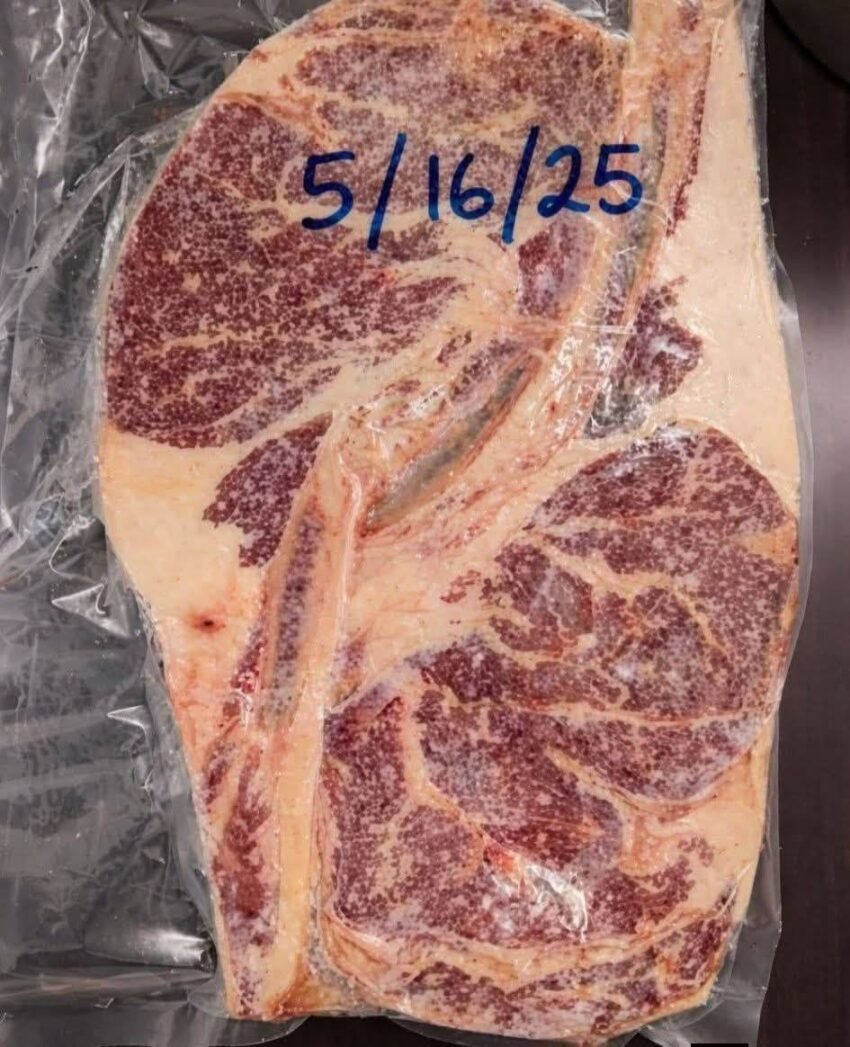
You discover two ribeye steaks frozen at the back of your freezer.
They’ve likely been there for about 8 months.
They’re vacuum sealed with minimal ice buildup.
After thawing:
-
No strange smell
-
Texture feels firm
-
Only small freezer burn spots
Result?
Perfectly safe to cook.
The flavor might be slightly reduced, but a good marinade and high-heat sear can bring them back to life.
Pro Tips for Freezing Steak the Right Way
If you want to avoid future freezer mysteries, follow these simple tips.
-
Wrap steaks tightly in plastic wrap first
-
Add a layer of aluminum foil
-
Place in freezer bags
-
Remove as much air as possible
-
Label with the date
Properly stored steak can maintain excellent quality for up to a year.
Frequently Asked Questions
Can you eat steak frozen for two years?
It may still be safe if continuously frozen, but the quality will likely be very poor.
Does freezer burn make steak unsafe?
No. Freezer burn affects taste and texture but not safety.
Why does frozen steak turn brown?
Color changes happen due to oxygen exposure and are usually normal.
Can you refreeze steak after thawing?
Yes, if it was thawed in the refrigerator and not left at room temperature.
Is vacuum-sealed steak better for freezing?
Yes. Vacuum sealing prevents air exposure and greatly reduces freezer burn.
Can bacteria grow in frozen meat?
Freezing stops bacterial growth but doesn’t kill all bacteria. Proper cooking eliminates most risks.
What internal temperature should steak reach?
For safety, cook steak to at least 145°F (63°C) according to food safety guidelines.
Why does old frozen steak taste dry?
Long-term freezing damages muscle fibers, causing moisture loss during cooking.
Should I trim freezer-burned parts?
Yes. Cutting off those areas improves flavor.
Quick Decision Checklist
Before cooking that forgotten steak, check these points:
✔ Packaging intact
✔ No strange smell after thawing
✔ Texture firm, not slimy
✔ Color normal
✔ Freezer burn minimal
If most boxes are checked, your steak is likely safe to cook.
Conclusion
Finding forgotten steaks in your freezer doesn’t automatically mean they belong in the trash.
In many cases, frozen steak remains perfectly safe to eat—even months later—if it’s been stored properly.
The key is checking:
-
Packaging condition
-
Smell after thawing
-
Texture and color
With the right thawing method and a flavorful cooking technique, those hidden steaks can still turn into a satisfying meal.
If the steak smells normal, feels firm, and hasn’t been damaged by severe freezer burn, go ahead and cook it.
When handled correctly, frozen steaks can still deliver a delicious dinner—even if they’ve been hiding in the freezer longer than expected.
If you’ve ever discovered mystery food in your freezer, share your story in the comments. You might not be the only one.