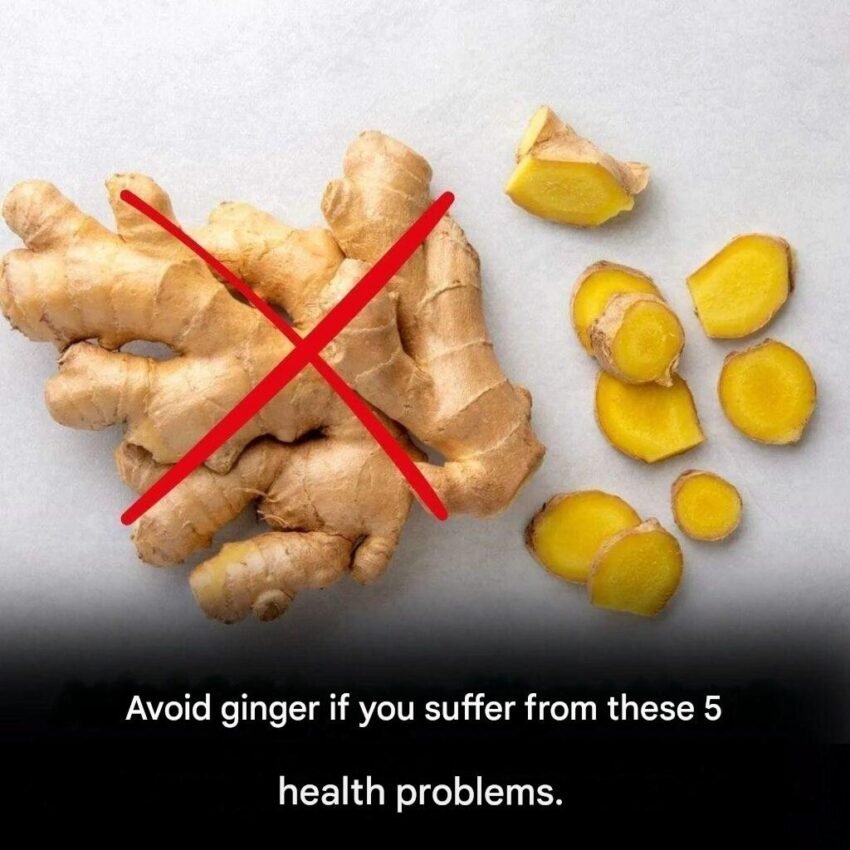
Ginger Danger Zones: 5 Health Conditions Where This “Miracle Root” Can Actually Harm You
Ginger is a powerful natural remedy, but it’s not safe for everyone. Learn the 5 health conditions where ginger can cause harm and how to use it safely.
Ginger: Nature’s “Miracle Root”
Ginger has earned a reputation as a superfood. From soothing nausea to reducing inflammation, it’s often hailed as a natural remedy for countless ailments.
But here’s the catch: “miracle” doesn’t mean risk-free. While ginger is safe for most people, it can pose serious problems in certain health conditions.
If you’re taking supplements, drinking ginger tea daily, or using it as a remedy, it’s important to know when it could do more harm than good.
1. Bleeding Disorders
Ginger can thin the blood, which is why it’s often recommended to improve circulation.
Why it matters:
-
People with bleeding disorders like hemophilia or low platelet counts may experience excessive bleeding.
-
Taking ginger alongside blood-thinning medications (like warfarin or aspirin) can increase the risk of bruising or internal bleeding.
Tip: Consult your doctor before adding ginger supplements if you have any bleeding issues.
2. Gallstones or Gallbladder Issues
Ginger stimulates bile production, which can improve digestion — but that can backfire if you have gallstones.
Potential risks:
-
Can trigger gallbladder pain or attacks
-
May worsen inflammation in already compromised gallbladders
Tip: Avoid high-dose ginger supplements if you have gallstones. A small amount in cooking is usually fine, but discuss with your healthcare provider.
3. Pregnancy Complications
Ginger is often used to reduce morning sickness, but caution is needed.
Why caution is needed:
-
Large doses may increase risk of bleeding, especially around delivery
-
Can interact with medications commonly prescribed during pregnancy
Safe use:
-
Moderate amounts in tea or cooking are generally safe
-
Avoid concentrated supplements unless approved by a doctor
4. Heart Conditions and Low Blood Pressure
Ginger may lower blood pressure and affect heart rhythm.
Who’s at risk:
-
People with hypotension (low blood pressure) may feel dizzy or faint
-
Those taking heart medications like beta-blockers or calcium channel blockers could experience additive effects
Tip: Monitor your blood pressure and check with your cardiologist before using high doses of ginger.
5. Diabetes and Blood Sugar Concerns
Ginger can lower blood sugar, which can be a benefit — but it can also be dangerous for certain patients.
Risks:
-
If you’re on insulin or oral diabetes medications, combining with ginger could cause hypoglycemia (too-low blood sugar)
-
May interfere with careful blood sugar management
Tip: Track blood sugar closely if you incorporate ginger supplements into your routine.
How to Enjoy Ginger Safely
Even with these warnings, ginger can still be beneficial if used correctly:
-
Cooking: Add fresh or powdered ginger to meals
-
Tea: Brew 1–2 slices in hot water, avoid excessive amounts
-
Supplements: Only under doctor guidance if you have underlying conditions
General rule: “Moderation first, supplements second.”
Red Flags to Watch For
Stop using ginger immediately and consult your doctor if you notice:
-
Unusual bruising or bleeding
-
Dizziness or fainting
-
Severe stomach pain or heartburn
-
Rapid heartbeat or irregular pulse
-
Hypoglycemia symptoms (sweating, shakiness, confusion)
Ginger is powerful, but it’s not a cure-all. For most people, it’s a healthy addition to the diet.
However, if you have bleeding disorders, gallstones, heart conditions, low blood pressure, or diabetes, ginger may pose risks.
Use it wisely, and always consult a healthcare professional when adding high doses or supplements to your routine.
💡 Pro Tip: Fresh ginger in food or tea is usually safe for most people — it’s concentrated extracts or supplements that carry the highest risk.