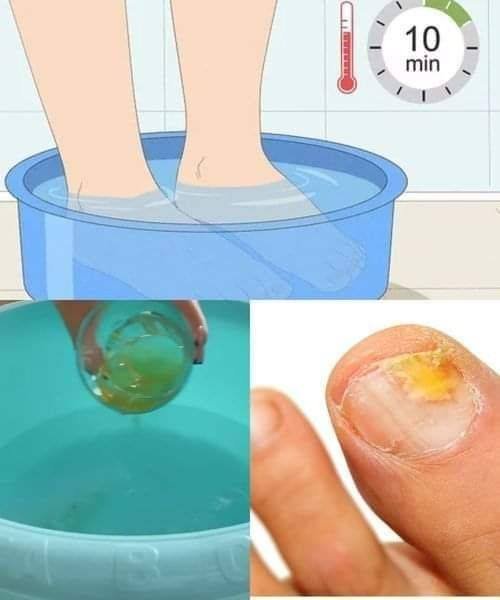
Goodbye to Toenail Fungus? What Actually Works (And What to Avoid)
Struggling with toenail fungus? Learn what truly helps treat fungal nail infections safely, how long treatment takes, and practical steps to prevent it.
Introduction: The Frustrating Reality of Toenail Fungus
Thickened nails.
Yellow or white discoloration.
Brittle edges that crumble when trimmed.
Toenail fungus is incredibly common — and incredibly stubborn.
Many people search for quick solutions after seeing headlines claiming something like:
“Goodbye to toenail fungus — it destroys them in seconds.”
The problem? Toenail fungus rarely disappears instantly.
Most fungal nail infections take weeks or even months to fully clear because the infection lives under the nail plate where treatments take time to reach.
But there is good news.
With the right treatment approach and a little patience, most cases can be significantly improved or completely resolved.
In this guide, you’ll learn:
-
What causes toenail fungus
-
Why quick “instant cures” usually don’t work
-
Treatments that dermatologists commonly recommend
-
Practical home care strategies
-
Simple prevention habits that protect your feet
If you’re tired of hiding your feet or dealing with stubborn nail changes, understanding the real solutions can make a big difference.
What Toenail Fungus Actually Is
Toenail fungus, medically known as Onychomycosis, is a fungal infection that affects the nail and the skin underneath it.
It’s commonly caused by dermatophyte fungi that thrive in warm, moist environments.
These fungi are often found in places like:
-
Locker rooms
-
Public pools
-
Gym showers
-
Damp shoes and socks
Once the fungus gets under the nail, it begins to grow slowly.
Common Signs of Toenail Fungus
Toenail fungus can appear differently depending on the stage of infection.
Typical symptoms include:
-
Yellow, white, or brown discoloration
-
Thickened nails
-
Crumbly or brittle edges
-
Distorted nail shape
-
Separation of the nail from the nail bed
-
Mild odor in severe cases
The big challenge is that nails grow slowly, so improvement takes time.
Why “Instant Fungus Removal” Claims Are Misleading
You might see videos or social media posts claiming certain ingredients “kill fungus instantly.”
While some substances may temporarily kill surface fungus, the infection usually lives deeper under the nail.
This means:
-
The infected nail must grow out
-
Treatments must reach the nail bed
-
Consistency is required
Most effective treatments take several weeks to months.
Understanding this helps set realistic expectations and prevents frustration.
Treatments Doctors Commonly Recommend
If toenail fungus becomes persistent or spreads, medical treatment may be necessary.
A healthcare provider may recommend several options.
1. Prescription Antifungal Medication
Oral medications are sometimes prescribed for moderate to severe infections.
One common example is Terbinafine, which helps kill fungus from inside the body.
These medications are usually taken for 6–12 weeks depending on the infection.
2. Topical Antifungal Treatments
Prescription topical solutions may also be recommended, such as Ciclopirox.
These are applied directly to the nail over time.
Topical treatments work best when the infection is caught early.
3. Nail Debridement
A doctor may trim or thin the infected nail to help medication reach the fungus more effectively.
4. Laser Treatment
Some clinics offer laser therapy designed to target fungal organisms in the nail.
Results vary, and more research is still ongoing.
Practical Home Care That May Help
Home care alone may not cure advanced infections, but it can support treatment and prevent worsening.
Keep Feet Clean and Dry
Fungus thrives in moisture.
Helpful habits include:
-
Drying feet thoroughly after showers
-
Changing socks daily
-
Wearing breathable shoes
Trim Nails Properly
Cut nails straight across and keep them short.
This reduces pressure and prevents fungal buildup.
Disinfect Nail Tools
Always clean clippers and files after use to avoid spreading infection.
Alternate Shoes
Allow shoes to dry completely between uses.
Natural Remedies People Often Try
Some natural remedies have mild antifungal properties, though scientific evidence is limited.
Common examples include:
-
Tea tree oil
-
Vinegar soaks
-
Baking soda foot baths
These methods may help improve the environment around the nail, but they typically require consistent use over time.
If symptoms worsen, medical advice is recommended.
Pros and Cons of Different Treatment Approaches
| Treatment Type | Pros | Cons |
|---|---|---|
| Oral medication | Often most effective | Requires medical supervision |
| Topical treatment | Easy to apply | Slower results |
| Laser therapy | Non-invasive | Can be costly |
| Home remedies | Accessible | Limited scientific evidence |
Choosing the right approach depends on infection severity and personal health considerations.
Common Mistakes That Make Toenail Fungus Worse
Many people unknowingly allow the infection to spread.
Avoid these common mistakes:
Ignoring Early Symptoms
Early treatment is much easier than treating advanced infections.
Wearing Tight or Damp Shoes
Moist environments encourage fungal growth.
Sharing Nail Tools
This can spread the infection to others or other nails.
Stopping Treatment Too Soon
Even when nails start improving, treatment should continue until healthy nail growth replaces infected portions.
Simple Prevention Tips
Preventing toenail fungus is often easier than treating it.
Here are practical habits that help protect your feet:
-
Wear sandals in public locker rooms and pools
-
Choose breathable footwear
-
Wash and dry feet thoroughly
-
Keep nails trimmed
-
Avoid sharing nail clippers or files
These small habits can significantly reduce risk.
When to See a Healthcare Professional
You should consider medical advice if:
-
The nail becomes painful
-
The infection spreads to multiple nails
-
You have diabetes or circulation problems
-
Home treatments are not improving the condition
Early evaluation can prevent complications and speed up recovery.
Frequently Asked Questions
Can toenail fungus disappear on its own?
It’s possible but uncommon. Most cases require treatment to fully clear.
How long does it take to cure toenail fungus?
Treatment often takes 3–12 months because nails grow slowly.
Is toenail fungus contagious?
Yes. It can spread through shared surfaces, tools, or footwear.
Are over-the-counter antifungal creams effective?
They may help mild infections but often struggle to penetrate the nail plate.
Can nail polish be worn during treatment?
Breathable or antifungal nail products may be acceptable, but heavy polish may trap moisture.
What increases the risk of toenail fungus?
Risk factors include aging, sweaty feet, tight shoes, athlete’s foot, and weakened immunity.
Does vinegar kill toenail fungus?
Vinegar may help create an environment that slows fungal growth, but evidence is limited.
Can fungus spread to fingernails?
Yes, although it’s more common in toenails.
Conclusion: Real Solutions Take Consistency
Toenail fungus can be stubborn, but it’s also very treatable with the right approach.
Despite viral claims about instant cures, most successful treatments require patience and consistency.
A combination of good foot hygiene, appropriate treatment, and preventive habits can gradually restore healthier nails.
If symptoms persist or worsen, a healthcare professional can help determine the best course of action.
Toenail fungus cannot usually be eliminated in seconds, but with proper care and treatment it can often be improved or resolved.
Healthy foot habits, early treatment, and realistic expectations are the keys to success.
Taking small steps today can help you move toward healthier, clearer nails over time.