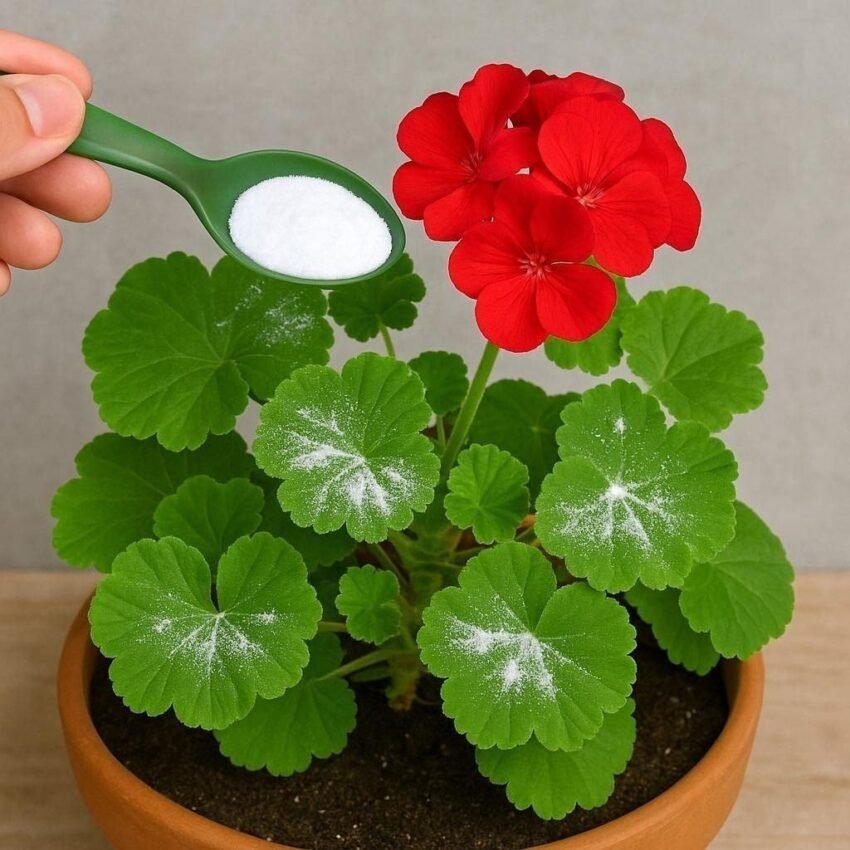
The Secret to Geraniums Covered in Blooms: Water Them This Way and They’ll Thrive All Season
Want geraniums bursting with flowers? Learn the proven watering method that keeps them healthy, vibrant, and blooming nonstop.
Why Your Geraniums Might Not Be Blooming Like They Should
You bought them full and vibrant.
Bright red. Soft pink. Crisp white. Maybe even coral.
A few weeks later?
Fewer flowers. Yellowing leaves. Leggy stems.
If you’re like many gardeners across the United States, you may assume the issue is fertilizer.
But here’s the truth seasoned growers learn the hard way:
Geraniums fail more often from incorrect watering than from lack of feeding.
And the fix is surprisingly simple.
Once you understand how geraniums actually use water, everything changes.
Understanding Geraniums: What They Really Need
Most garden-center geraniums are actually Pelargonium, commonly called zonal geraniums in the U.S.
They are:
-
Drought-tolerant
-
Sun-loving
-
Sensitive to overwatering
-
Highly responsive to watering rhythm
Unlike thirsty annuals, geraniums store some moisture in their stems.
That means watering them “a little every day” can quietly harm them.
The Biggest Watering Mistake (That Almost Everyone Makes)
Light, frequent watering.
It feels responsible.
It feels attentive.
But it keeps the topsoil damp and the roots shallow.
Shallow roots = weak plants.
Weak roots = fewer flowers.
Geraniums bloom best when their roots are encouraged to grow deep and strong.
And that requires a different approach.
The Correct Way to Water Geraniums for Maximum Blooms
1. Use the “Soak and Dry” Method
This is the gold standard.
Here’s how it works:
-
Water thoroughly until excess drains from the bottom.
-
Let the top 1–2 inches of soil dry out completely.
-
Only then water again.
This cycle:
-
Strengthens roots
-
Prevents rot
-
Increases oxygen availability
-
Stimulates more consistent flowering
In most U.S. climates, that means watering every 3–5 days in containers during summer.
In-ground plants may need less.
2. Water Deeply — Not Briefly
When you water, saturate the root zone.
In containers:
-
Water until it flows out drainage holes.
In garden beds:
-
Water at the base for 20–30 seconds per plant (depending on soil type).
Avoid surface sprinkles.
They don’t reach where it matters.
3. Morning Is the Best Time
Water between 6 a.m. and 10 a.m.
Why?
-
Leaves dry quickly.
-
Roots absorb efficiently.
-
Reduced fungal risk.
Evening watering increases chances of mildew in humid regions like the Southeast.
4. Always Water at Soil Level
Never spray the foliage unless rinsing dust occasionally.
Wet leaves in summer heat can scorch.
Wet leaves in humidity can invite disease.
Direct the water to the soil.
Why This Matters More in the United States
American gardeners face wide climate variation:
-
Dry Southwest heat
-
Humid Southeast summers
-
Midwest temperature swings
-
Coastal salt air
Geraniums adapt well — but only if watering matches the climate.
For example:
| Climate | Adjustment |
|---|---|
| Arizona heat | Water more frequently, but still allow drying |
| Florida humidity | Reduce frequency; improve airflow |
| California coastal | Moderate watering; ensure strong drainage |
| Midwest containers | Check soil daily during heatwaves |
Understanding your region prevents guesswork.
Signs You’re Overwatering Geraniums
-
Yellow lower leaves
-
Mushy stems
-
Fewer blooms
-
Wilting despite wet soil
-
Moldy soil surface
Overwatering suffocates roots.
And suffocated roots stop producing flowers.
Signs You’re Underwatering
-
Crispy brown leaf edges
-
Drooping that doesn’t recover by evening
-
Flower buds dropping
-
Soil pulling away from container edges
Healthy geraniums prefer slightly dry over constantly wet — but not bone dry for extended periods.
Real-World Scenario
Maria in North Carolina watered her patio geraniums daily “just to be safe.”
They looked green but rarely bloomed.
After switching to soak-and-dry watering, within three weeks:
-
New buds formed
-
Leaves deepened in color
-
Plants became fuller
Nothing else changed.
Just watering rhythm.
The Role of Drainage (Often Ignored)
No watering method works without proper drainage.
Always ensure:
-
Containers have drainage holes
-
Saucers are emptied after watering
-
Potting mix is well-draining
Avoid heavy garden soil in pots.
Geranium roots need oxygen as much as moisture.
Should You Use Fertilizer?
Yes — but secondary to watering.
Use:
-
Balanced liquid fertilizer (10-10-10 or 20-20-20)
-
Every 2–3 weeks during peak growth
Too much nitrogen causes leafy growth with fewer blooms.
Watering consistency drives bloom frequency more than feeding.
Advanced Tips Most Gardeners Don’t Know
1. Stress Triggers Blooming
Slight drying between waterings signals the plant to produce more flowers.
Mild stress = more blooms.
Chronic stress = decline.
Balance is key.
2. Deadheading Multiplies Results
Remove spent blooms weekly.
This redirects energy into new flower production.
3. Rotate Container Plants
If one side faces sun consistently, rotate weekly to ensure even growth.
4. Use Terracotta Pots in Humid Regions
They allow better airflow and reduce overwatering risk.
Common Beginner Mistakes
-
Using decorative pots without drainage
-
Leaving plants sitting in water-filled saucers
-
Watering on a fixed schedule instead of checking soil
-
Ignoring seasonal shifts
-
Watering leaves instead of soil
Plants don’t follow calendar schedules. They follow soil conditions.
2026 Gardening Trend: Smarter Moisture Monitoring
More gardeners now use:
-
Simple moisture meters
-
Self-watering pots (used cautiously)
-
Drip irrigation systems
While helpful, nothing replaces checking soil manually with your finger.
Low-tech often works best.
Frequently Asked Questions
How often should I water geraniums in pots?
Typically every 3–5 days in summer, but always check soil dryness first.
Can geraniums survive drought?
Short dry periods, yes. Extended neglect reduces flowering.
Why are my geranium leaves turning yellow?
Most often from overwatering.
Do geraniums like full sun?
Yes — at least 6 hours daily for best blooms.
Should I mist geranium leaves?
No. It’s unnecessary and may promote disease.
Is rain enough for outdoor geraniums?
Sometimes. But containers may still dry out quickly.
Can I use tap water?
Yes, in most U.S. areas. Letting it sit overnight reduces chlorine.
Why are there no flowers but lots of leaves?
Likely overwatering or too much nitrogen.
Seasonal Adjustments
Spring
Water moderately as growth begins.
Summer
Increase monitoring. Heat speeds drying.
Fall
Gradually reduce frequency.
Winter (Indoor Overwintering)
Water sparingly. Allow soil to dry more between sessions.
Quick Bloom-Boosting Checklist
-
Soak thoroughly
-
Let top 1–2 inches dry
-
Water in the morning
-
Ensure drainage
-
Deadhead weekly
-
Provide full sun
-
Fertilize lightly every 2–3 weeks
Follow this consistently, and you’ll see the difference.
The Bigger Lesson
Geraniums don’t fail because gardeners don’t care.
They fail because we care too much — especially with water.
Restraint is the real secret.
Once you switch from frequent sprinkles to deep, intentional watering, geraniums respond dramatically.
More buds.
More color.
Longer blooming cycles.
Final Thoughts
Thriving geraniums aren’t about complicated tricks.
They’re about rhythm.
Water deeply.
Let them breathe.
Allow slight dryness.
Then repeat.
If this guide helped, share it with a fellow gardener who keeps wondering why their geraniums aren’t flowering like they should.
To keep geraniums full of flowers:
Soak deeply. Let dry slightly. Never overwater.
Simple method. Powerful results.
Your balcony, patio, or garden bed will thank you — in blooms. 🌺