Here’s What You Need to Know About Tonsil Stones: Causes, Symptoms, and Simple Ways to Get Rid of Them
Learn what tonsil stones are, why they form, common symptoms, and safe ways to remove and prevent them. A complete guide to understanding tonsil stones.
Introduction
You’re brushing your teeth or looking in the mirror when you notice small white or yellowish spots at the back of your throat.
They might look strange, and sometimes they come with a bad taste or unpleasant breath.
What are they?
For many people, these mysterious little lumps are something called tonsil stones.
While they can be uncomfortable or embarrassing, the good news is that tonsil stones are usually harmless and quite common.
Many people experience them at some point in their lives, yet very few understand why they form or how to deal with them properly.
In this guide, you’ll learn:
-
What tonsil stones actually are
-
Why they develop in the first place
-
Common symptoms to watch for
-
Safe ways to remove them at home
-
How to prevent them from coming back
Let’s take a closer look at what’s really happening inside the throat.
What Are Tonsil Stones?
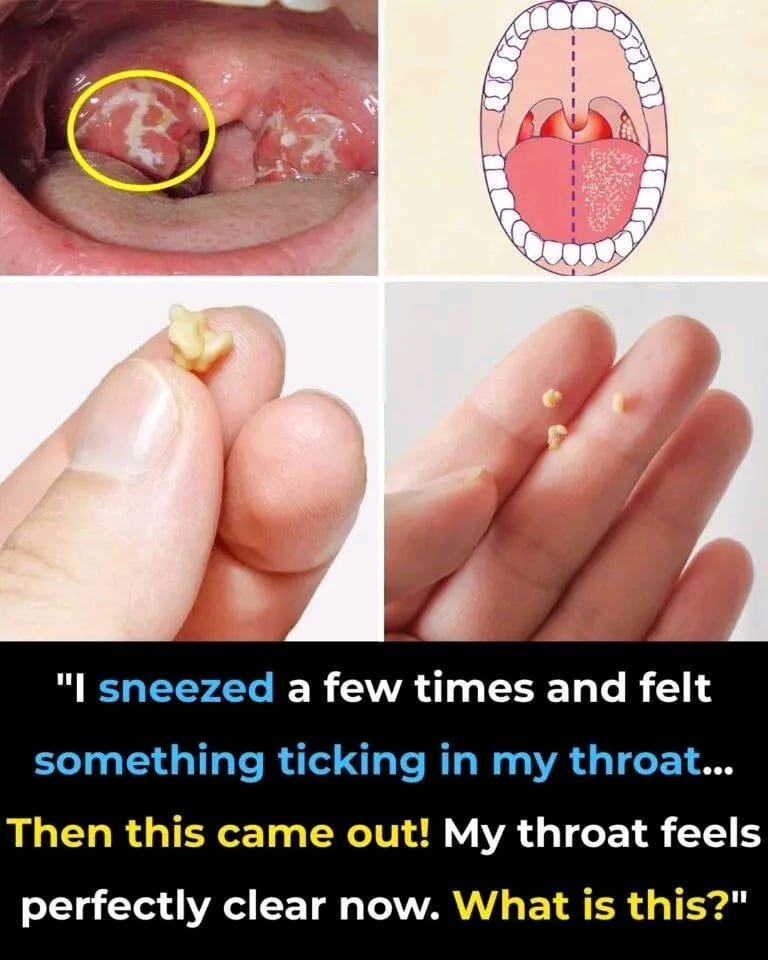
Tonsil stones are small, hardened deposits that form in the tonsils.
Their medical name is Tonsillolith.
They develop when tiny particles become trapped in small pockets within the tonsils called tonsil crypts.
Over time, these trapped materials harden and form small stone-like structures.
These materials may include:
-
Food particles
-
Dead cells
-
Mucus
-
Bacteria
-
Minerals from saliva
When these substances accumulate and calcify, they form what we recognize as tonsil stones.
Why Tonsil Stones Form
Not everyone develops tonsil stones, but certain factors make them more likely.
1. Deep Tonsil Crypts
Some people naturally have deeper crevices in their tonsils, which makes it easier for debris to get trapped.
2. Poor Oral Hygiene
If bacteria and food particles remain in the mouth, they can travel to the tonsils and accumulate.
3. Chronic Sinus Issues
Postnasal drip from sinus conditions can increase mucus buildup around the tonsils.
4. Frequent Throat Infections
Repeated throat infections can enlarge tonsil crypts, creating more space for debris.
5. Dry Mouth
Saliva helps wash away bacteria and food particles. When the mouth is dry, buildup can occur more easily.
Common Symptoms of Tonsil Stones
Many people with tonsil stones don’t experience any symptoms at all.
However, when symptoms do appear, they often include:
Persistent Bad Breath
One of the most common signs is chronic bad breath.
The bacteria trapped inside tonsil stones release sulfur compounds that create unpleasant odors.
Visible White or Yellow Spots
Tonsil stones often appear as small white or yellow lumps on the tonsils.
Sore Throat
Some people experience mild throat discomfort or irritation.
Difficulty Swallowing
Larger stones may create the sensation that something is stuck in the throat.
Ear Pain
Because nerves in the throat connect to the ears, tonsil stones can sometimes cause referred ear pain.
How Big Can Tonsil Stones Get?
Most tonsil stones are very small—often the size of a grain of rice.
However, in rare cases they can grow larger.
| Size | Description |
|---|---|
| Tiny | Often unnoticed |
| Small | Visible but painless |
| Medium | May cause discomfort |
| Large | Rare but can cause irritation |
Even larger stones are typically manageable and rarely dangerous.
Are Tonsil Stones Dangerous?
For the majority of people, tonsil stones are not harmful.
They are considered a benign condition.
However, they can become bothersome if they cause:
-
Persistent bad breath
-
Recurrent throat discomfort
-
Frequent infections
In such cases, medical advice may be helpful.
Safe Ways to Remove Tonsil Stones
If a tonsil stone becomes noticeable or uncomfortable, there are several safe approaches.
1. Gargling With Salt Water
Warm saltwater gargles can help loosen stones and reduce bacteria.
Mix:
-
1 cup warm water
-
½ teaspoon salt
Gargle gently for 20–30 seconds.
2. Gentle Coughing
Sometimes coughing can naturally dislodge a loose tonsil stone.
3. Cotton Swab Removal
If the stone is visible and near the surface, a clean cotton swab can sometimes gently remove it.
Be careful not to press too hard.
4. Oral Irrigators
Low-pressure water flossers may help flush debris from tonsil crypts.
However, they should be used carefully to avoid irritation.
When to See a Doctor
Most tonsil stones don’t require medical treatment.
But you should consider seeing a healthcare professional if you experience:
-
Persistent throat pain
-
Difficulty swallowing
-
Large or recurring stones
-
Signs of infection
In some severe cases, doctors may recommend procedures such as tonsil crypt reduction or tonsil removal.
How to Prevent Tonsil Stones
Preventing tonsil stones focuses mainly on improving oral hygiene and reducing debris buildup.
Brush and Floss Daily
Regular brushing and flossing remove food particles and bacteria.
Use Mouthwash
Antibacterial mouthwash may help reduce bacterial buildup.
Stay Hydrated
Drinking water helps wash away debris and supports saliva production.
Clean the Tongue
A tongue scraper removes bacteria that contribute to bad breath and tonsil stone formation.
Treat Sinus Issues
Managing allergies or sinus conditions can reduce mucus buildup.
Common Myths About Tonsil Stones
Myth 1: Tonsil Stones Are Contagious
They are not contagious and cannot be passed from person to person.
Myth 2: Only People With Poor Hygiene Get Them
Even people with excellent oral hygiene can develop tonsil stones.
Myth 3: They Always Require Surgery
Most tonsil stones can be managed without surgery.
Real-Life Scenario
Imagine someone who notices persistent bad breath despite brushing and flossing regularly.
After checking their throat, they notice a small white lump on one tonsil.
Once the stone is gently removed and oral hygiene improves, the bad breath disappears.
This situation is extremely common and often resolves easily.
Frequently Asked Questions
Are tonsil stones common?
Yes. Many people experience them at least once in their lives.
Can tonsil stones go away on their own?
Yes. Small stones often dislodge naturally through coughing or swallowing.
Do tonsil stones cause bad breath?
They often do, because bacteria trapped inside produce odor.
Can children get tonsil stones?
They are more common in teenagers and adults but can occasionally occur in children.
How often do tonsil stones come back?
Some people experience them occasionally, while others rarely get them.
Does mouthwash help prevent them?
Antibacterial mouthwash may help reduce bacteria that contribute to stone formation.
Can diet affect tonsil stones?
A balanced diet and good hydration support oral health, which may help reduce risk.
Should tonsil stones be squeezed out?
If removed, it should be done gently. Aggressive pressure can irritate the tonsils.
Action Checklist: Reduce Your Risk
Follow these steps to lower the chance of developing tonsil stones.
✔ Brush teeth twice daily
✔ Floss regularly
✔ Use mouthwash if recommended
✔ Stay hydrated
✔ Clean your tongue
✔ Gargle with salt water occasionally
Conclusion
Tonsil stones may seem alarming at first, but they are usually harmless and quite manageable.
Understanding why they form and how to prevent them can make a big difference in maintaining good oral health and fresh breath.
With proper hygiene habits and occasional care, most people can reduce or eliminate tonsil stones without medical treatment.
Tonsil stones are small deposits that form when debris becomes trapped in the tonsils.
They’re common, typically harmless, and often easy to manage with good oral hygiene and simple home care.
If symptoms become persistent or uncomfortable, a healthcare professional can provide guidance and treatment options.