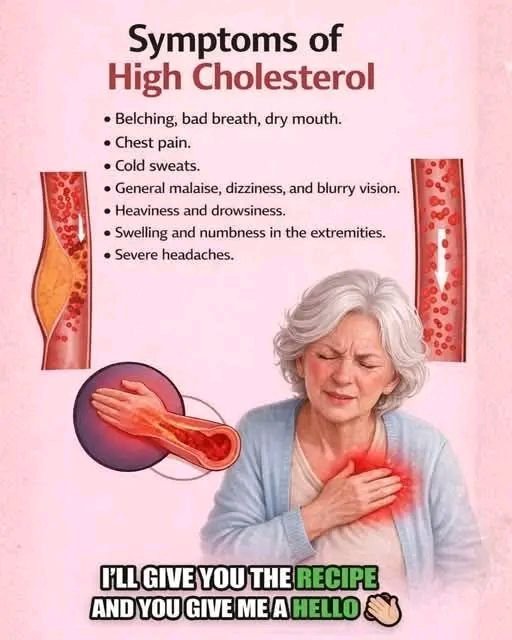
High Cholesterol Never Again! Natural Solutions to Support Your Heart Health
Learn natural, evidence-backed ways to manage cholesterol and support heart health with diet, lifestyle, and simple daily habits — safe and effective for adults.
Introduction: Why Cholesterol Matters
High cholesterol affects millions of adults in the United States and is a major risk factor for heart disease, stroke, and other cardiovascular conditions.
If you’ve been searching for natural ways to manage cholesterol without relying solely on medication, this guide will help you understand how to:
-
Lower “bad” LDL cholesterol
-
Raise “good” HDL cholesterol
-
Support your heart naturally through food, lifestyle, and habits
By the end of this article, you’ll have practical, science-backed strategies to protect your heart and feel empowered to take control.
Understanding Cholesterol
Cholesterol is a fatty substance in your blood, necessary for hormone production and cell repair.
Types of Cholesterol:
-
LDL (Low-Density Lipoprotein) – “bad” cholesterol; too much can build up in arteries
-
HDL (High-Density Lipoprotein) – “good” cholesterol; helps remove excess cholesterol
-
Triglycerides – a type of fat; high levels increase cardiovascular risk
Why it matters: High LDL, low HDL, and elevated triglycerides increase the risk of atherosclerosis, heart attacks, and stroke.
Natural Solutions to Support Heart Health
1. Eat Cholesterol-Friendly Foods
Soluble Fiber
-
Found in oats, barley, beans, lentils, apples, and citrus
-
Binds cholesterol in the digestive system, reducing absorption
Healthy Fats
-
Olive oil, avocado, nuts, and fatty fish (salmon, sardines)
-
Omega-3 fatty acids reduce triglycerides and inflammation
Plant Sterols and Stanols
-
Found in fortified foods and vegetables
-
Help block cholesterol absorption
2. Limit Harmful Foods
-
Trans fats: in processed snacks, fried foods, and baked goods
-
Excess saturated fats: fatty cuts of meat, full-fat dairy
-
Refined sugars and carbs: sugary drinks, pastries, white bread
Replacing these with whole foods, vegetables, and healthy fats can improve cholesterol levels naturally.
3. Lifestyle Habits That Matter
Exercise Regularly
-
30 minutes a day of brisk walking, swimming, or cycling
-
Helps raise HDL and lower LDL and triglycerides
Maintain a Healthy Weight
-
Even modest weight loss can significantly improve cholesterol levels
Avoid Smoking and Limit Alcohol
-
Smoking lowers HDL (“good”) cholesterol
-
Excess alcohol can raise triglycerides
4. Heart-Supporting Natural Remedies
Some natural foods and herbs have shown potential to support cholesterol management:
-
Garlic: May reduce LDL slightly and improve artery health
-
Green tea: Antioxidants can modestly lower cholesterol
-
Turmeric (curcumin): Anti-inflammatory properties support cardiovascular health
-
Flaxseeds and chia seeds: Rich in omega-3s and fiber
5. Monitor Your Health
-
Regular blood tests for cholesterol levels
-
Track weight, blood pressure, and lifestyle changes
-
Work with a healthcare provider to safely integrate natural strategies alongside medications if needed
Common Mistakes People Make
-
Relying solely on supplements instead of diet and exercise
-
Ignoring hidden sources of trans fats and added sugars
-
Expecting immediate results — cholesterol improvements take weeks to months
-
Skipping regular checkups or lab tests
Frequently Asked Questions
1. Can I lower cholesterol naturally without medication?
-
In many cases, yes — with a heart-healthy diet, exercise, and lifestyle changes. Some people may still need medication for optimal control.
2. How long does it take to see improvements?
-
6–12 weeks is typical for noticeable changes in cholesterol from diet and lifestyle.
3. Are eggs bad for cholesterol?
-
Moderate egg consumption is generally safe; focus on overall diet quality.
4. Can supplements help?
-
Some, like plant sterols, soluble fiber, or omega-3s, may support healthy levels, but they don’t replace lifestyle changes.
5. How often should I check cholesterol?
-
Every 4–6 years for adults; more frequently if at risk or under treatment.
Managing cholesterol naturally is possible and practical:
-
Focus on a fiber-rich, whole-food diet
-
Incorporate healthy fats and heart-supporting foods
-
Maintain active lifestyle habits
-
Use natural remedies as a complement, not a replacement, for medical care
By making small, consistent changes, you can reduce your risk of heart disease, feel more energetic, and support long-term cardiovascular health.