How to Get Rid of Milia: Those Annoying Fat Cysts
Learn what milia are, why they appear, and safe, effective ways to get rid of these tiny, stubborn cysts on your skin.
Introduction: Tiny Bumps, Big Annoyance
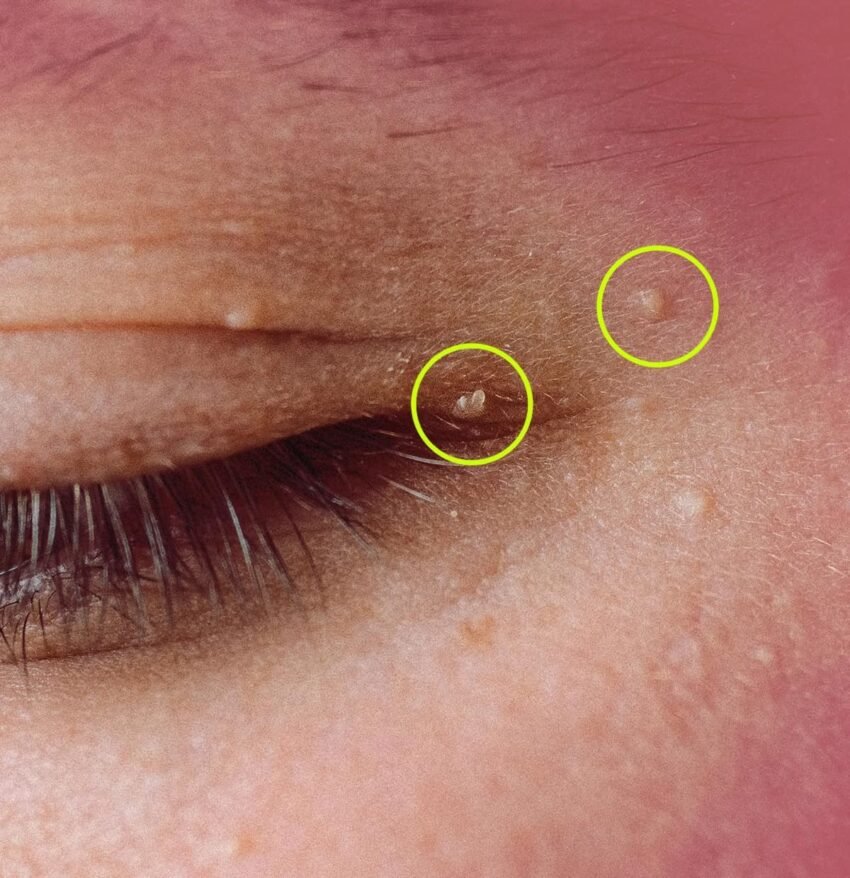
Milia—those small, white or yellowish bumps—can appear on the face, especially around the eyes, cheeks, and nose. They’re harmless, but stubborn and annoying when you notice them every time you look in the mirror.
“I kept finding tiny bumps under my eyes. After learning the right techniques, I finally cleared them safely—without harsh treatments or scarring.”
In this article, you’ll learn:
-
What causes milia
-
Safe and effective removal methods
-
Daily habits to prevent recurrence
What Are Milia?
-
Definition: Milia are small keratin-filled cysts under the skin.
-
Appearance: White or yellow bumps, usually 1–2 mm in diameter.
-
Age groups: Can appear in babies, teens, or adults.
Unlike pimples, milia are not caused by bacteria and don’t involve inflammation.
Causes of Milia
-
Trapped dead skin cells: The most common cause.
-
Skin trauma: Burns, rashes, or excessive exfoliation.
-
Heavy skincare products: Oils or thick creams that block pores.
-
Sun damage: Can thicken skin, trapping keratin.
-
Genetics: Some people are more prone than others.
How to Get Rid of Milia Safely
1. Leave Them Alone (For Baby Milia or Mild Cases)
-
Many milia resolve on their own in weeks or months.
-
Avoid picking or squeezing—this can cause scarring or infection.
2. Gentle Exfoliation
-
Use a mild exfoliant to help shed dead skin cells.
-
Products with salicylic acid or glycolic acid can speed up clearance.
-
Limit exfoliation to 2–3 times per week to prevent irritation.
3. Retinoid Creams (Topical Vitamin A Derivatives)
-
Promote skin cell turnover, helping milia disappear faster.
-
Available over-the-counter or by prescription.
-
Use sparingly at night, with sunscreen in the morning.
4. Professional Removal
-
Dermatologists can safely extract milia using a sterile needle or laser treatment.
-
Recommended if:
-
Milia are persistent
-
Large clusters appear
-
Home treatments fail
-
Never attempt to lance or cut milia at home—it increases the risk of infection and scarring.
5. Home Remedies (With Caution)
-
Steam your face: Softens skin and may loosen trapped keratin.
-
Honey or aloe vera: Helps soothe and gently exfoliate.
-
Avoid harsh scrubs—they can worsen irritation.
Daily Habits to Prevent Milia
-
Cleanse gently: Remove dirt, oil, and makeup every day.
-
Avoid heavy creams: Especially around eyes and cheeks.
-
Use non-comedogenic products: Prevent clogged pores.
-
Wear sunscreen: Protects skin from sun damage that can trigger milia.
-
Be patient: Prevention and gentle care reduce recurrence over time.
Frequently Asked Questions
Q1: Are milia dangerous?
No, they’re harmless and do not spread.
Q2: Can babies get milia?
Yes, it’s very common in newborns and usually disappears on its own.
Q3: Can popping milia help?
No, popping can cause scarring or infection.
Q4: How long does it take to clear milia?
Milia may resolve naturally in weeks to months, or faster with topical treatments.
Q5: Are there natural remedies that work?
Gentle exfoliation and soothing ingredients like aloe vera may help, but professional extraction is fastest for persistent milia.
Conclusion: Clear Skin Is Possible
Milia may be small, but they can feel frustrating. With gentle care, proper skincare routines, and professional guidance when needed, you can reduce or remove these bumps safely.
“I stopped picking and started using gentle exfoliation. Within weeks, the milia gradually disappeared—and my skin felt smoother and healthier.”
Your Turn:
Have you struggled with milia? Share your favorite prevention or treatment tips in the comments below!