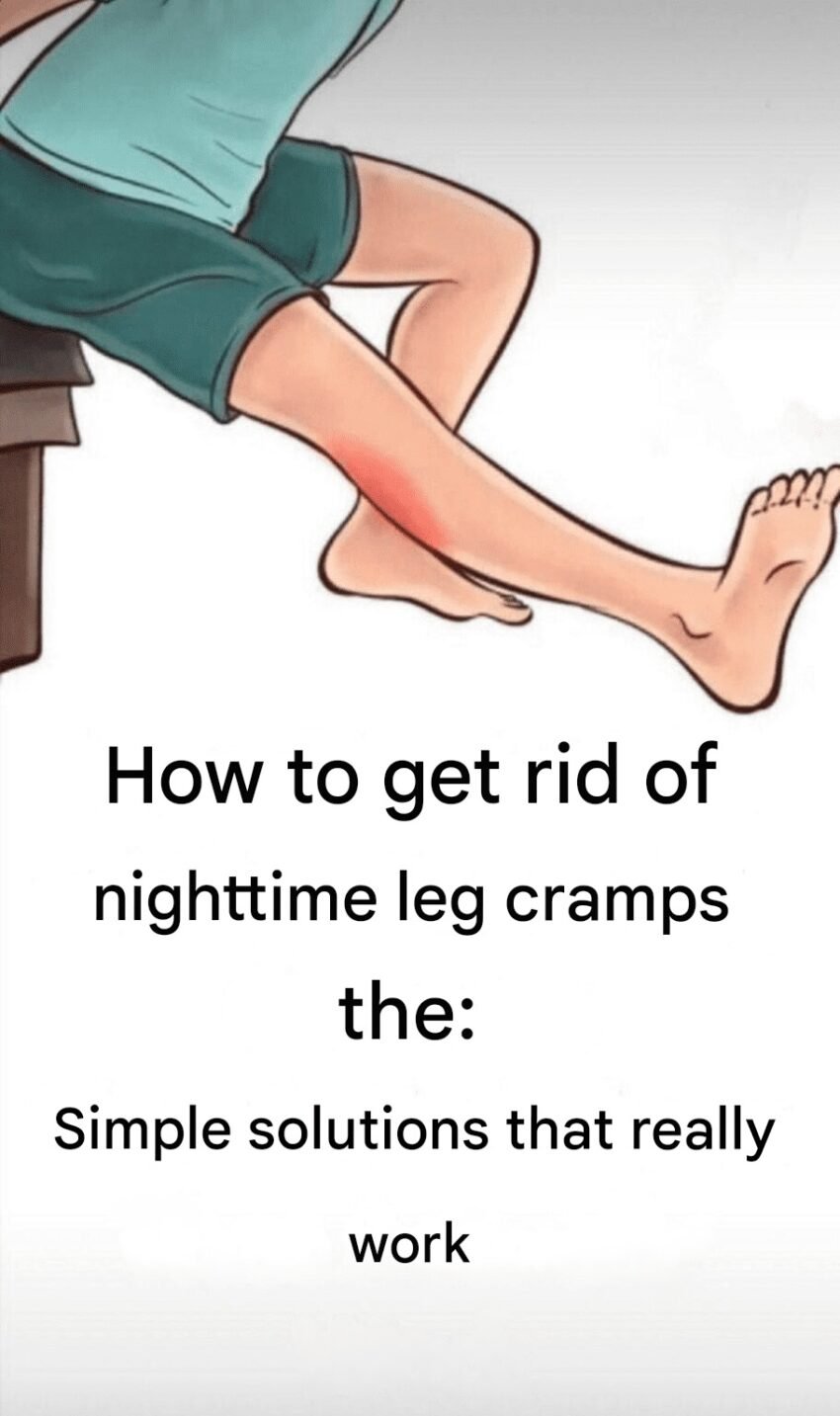
How to Get Rid of Nighttime Leg Cramps: Simple Solutions That Really Work
Learn safe, effective ways to stop night time leg cramps. Stretching, hydration, and dietary tips that actually work for restless nights.
Introduction: Stop Losing Sleep to Leg Cramps
If you’ve ever been jolted awake by a sudden, painful leg cramp, you’re not alone. Nighttime leg cramps affect millions of adults in the U.S., especially as we age, and can disrupt sleep, mood, and daily energy.
The good news? You don’t need expensive treatments or complicated devices. Simple, consistent habits can dramatically reduce or even prevent nighttime leg cramps.
In this article, you’ll learn:
-
Why leg cramps happen
-
Simple, science-backed solutions
-
Dietary, lifestyle, and stretching tips
-
Preventive measures to wake up pain-free
What Causes Nighttime Leg Cramps?
Nighttime leg cramps are sudden, involuntary muscle contractions, usually in the calf, foot, or thigh. Common triggers include:
-
Dehydration: Low fluid levels make muscles more prone to spasms.
-
Electrolyte imbalances: Magnesium, potassium, calcium, and sodium play a role in muscle function.
-
Poor circulation: Sitting or lying in one position can restrict blood flow.
-
Medication side effects: Some diuretics, statins, or blood pressure meds may contribute.
-
Muscle fatigue: Overuse during the day or prolonged standing.
Understanding the cause helps target the right solution for relief.
Immediate Relief: What to Do During a Cramp
-
Stretch the Muscle:
-
For calf cramps: Stand and place your hands on a wall, keeping your heel on the floor, and gently stretch.
-
For foot cramps: Pull toes toward your shin while keeping your leg straight.
-
-
Massage the Area:
-
Use firm pressure with your hands or a foam roller to relax the muscle.
-
-
Apply Heat or Cold:
-
Heat relaxes tight muscles: warm towel or heating pad for 10–15 minutes.
-
Cold can reduce pain and inflammation: ice pack wrapped in a cloth for 5–10 minutes.
-
Simple Daily Habits to Prevent Nighttime Leg Cramps
1. Stretch Before Bed
-
Calf raises, hamstring stretches, or yoga poses like Downward Dog can reduce cramps overnight.
-
Hold each stretch for 20–30 seconds, repeat 2–3 times.
2. Stay Hydrated
-
Drink enough water throughout the day.
-
Include herbal teas like chamomile or peppermint before bed for added hydration.
3. Maintain Electrolyte Balance
-
Foods rich in electrolytes can prevent muscle spasms:
-
Potassium: Bananas, sweet potatoes, spinach
-
Magnesium: Almonds, pumpkin seeds, avocado
-
Calcium: Yogurt, cheese, leafy greens
-
Sodium: Maintain moderate intake, especially if sweating heavily
-
4. Wear Comfortable Footwear
-
Supportive shoes during the day prevent calf and foot fatigue that can trigger cramps at night.
5. Adjust Sleeping Position
-
Avoid sleeping with toes pointed downward or in awkward leg positions.
-
Use pillows to slightly elevate legs if needed.
6. Light Exercise During the Day
-
Walking, cycling, swimming, or stretching reduces muscle tension and improves circulation.
When to See a Doctor
Most nighttime leg cramps are harmless, but seek medical advice if you experience:
-
Frequent cramps that interfere with daily life
-
Swelling, redness, or warmth in the leg (possible blood clot)
-
Severe pain that doesn’t improve with stretching or massage
-
Numbness or weakness along with cramps
Your doctor may check for electrolyte imbalances, circulation issues, or medication side effects.
Quick DIY Remedies to Try Tonight
| Remedy | How It Helps | How to Use |
|---|---|---|
| Epsom Salt Bath | Magnesium absorption relaxes muscles | Soak legs in warm water with 1–2 cups Epsom salts for 15–20 min |
| Foot Massage | Improves blood flow and relaxes muscles | Massage calves, feet, and thighs gently before bed |
| Essential Oils | Lavender or peppermint may reduce tension | Mix with carrier oil and massage into calves |
| Gentle Leg Raises | Improve circulation | Lie on back, lift legs 6–12 inches, hold 15–20 sec, repeat 3–5 times |
Frequently Asked Questions
Q1: How often do nighttime leg cramps occur?
Varies—some people get them once in a while, others several times per week, especially with age.
Q2: Can supplements help?
Magnesium or potassium supplements can help if dietary intake is low, but consult your doctor before starting.
Q3: Are cramps more common in older adults?
Yes, up to 50% of adults over 50 report frequent nighttime leg cramps.
Q4: Can dehydration alone trigger cramps?
Yes. Even mild dehydration increases muscle excitability, leading to cramps.
Q5: Is stretching really effective?
Multiple studies show regular stretching reduces frequency and intensity of nighttime leg cramps.
Conclusion: Sleep Through the Night, Pain-Free
Nighttime leg cramps may be sudden and painful, but simple, consistent habits make a big difference:
-
Hydrate well
-
Stretch daily, especially before bed
-
Eat a diet rich in electrolytes
-
Keep muscles relaxed with massage and gentle movement
“A few minutes of stretching and proper hydration today can mean restful, cramp-free nights tomorrow.”
Your Turn:
Do you have a favorite tip or remedy for leg cramps? Share it in the comments—your experience could help others finally sleep peacefully.