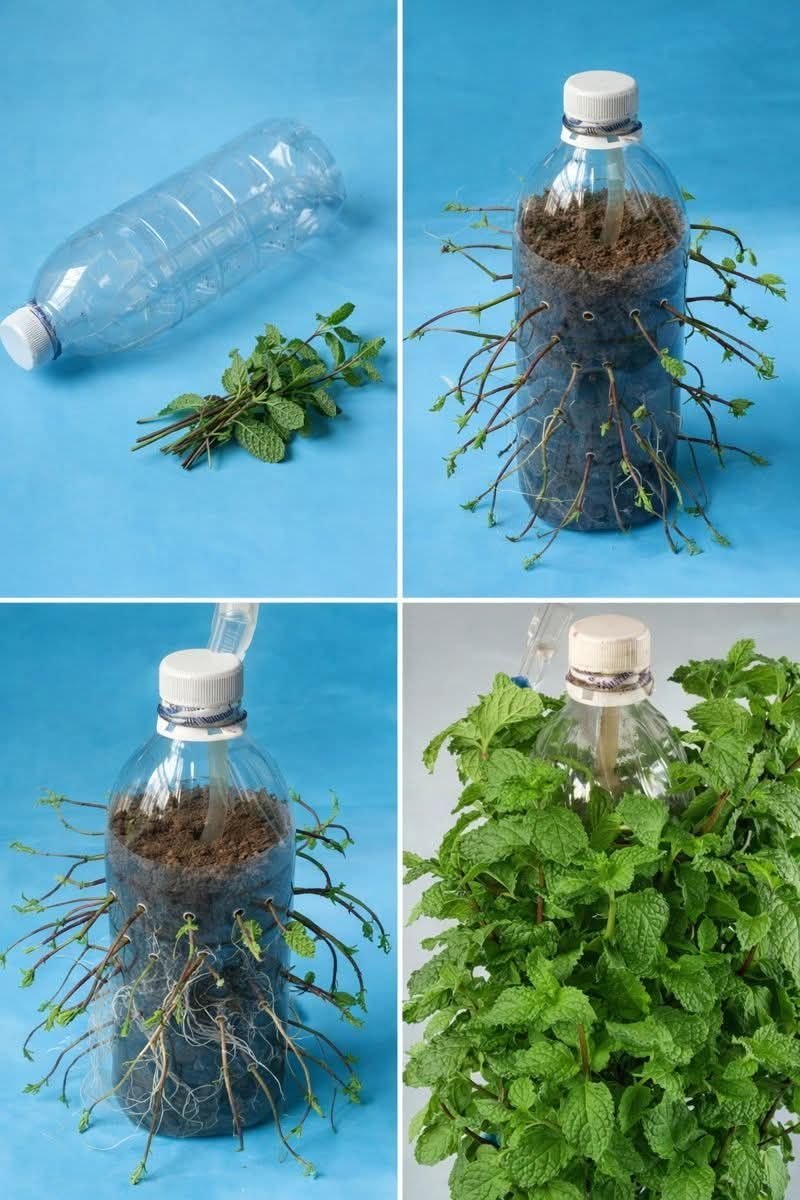
How to Grow Mint Super Easily in Plastic Bottles (Even If You’ve Never Gardened Before)
Learn how to grow fresh mint easily in plastic bottles at home. A beginner-friendly, budget-smart guide with step-by-step tips, mistakes to avoid, and pro insights.
Introduction: Fresh Mint, Zero Garden, Almost No Cost
If you’ve ever bought a small bunch of mint at a U.S. grocery store, used two sprigs, and watched the rest turn into slimy sadness in your fridge—you’re not alone.
Mint is one of the most-used herbs in American kitchens, from mojitos and iced tea to salads, sauces, and home remedies. Yet it’s also one of the most wasted.
Here’s the good news: mint is ridiculously easy to grow. Even better? You don’t need a backyard, fancy pots, or gardening experience. You can grow lush, fragrant mint in plastic bottles, right on a windowsill, balcony, porch, or kitchen counter.
In this guide, you’ll learn exactly how to do it—step by step—using everyday items most U.S. households already have. By the end, you’ll know how to grow, maintain, harvest, and reuse mint year-round while saving money and reducing waste.
Why Mint Is the Perfect Herb for Plastic Bottle Gardening
Before we jump into the “how,” it helps to understand why mint works so well in recycled containers.
Mint Is Practically Built to Survive
Mint is:
-
Fast-growing
-
Hardy and forgiving
-
Able to thrive in small spaces
-
Resistant to most pests
-
Happy indoors or outdoors
In fact, mint grows so aggressively that gardeners often warn against planting it directly in the ground because it spreads uncontrollably. Plastic bottles naturally limit root expansion, making them ideal.
Why Plastic Bottles Work So Well
Plastic bottles offer several advantages:
-
Free and reusable (great for sustainability-minded households)
-
Easy to cut, clean, and customize
-
Lightweight and portable
-
Perfect for renters or apartment dwellers
-
Great drainage control
For urban homes, dorms, RVs, and small patios, bottle gardening is one of the simplest entry points into growing your own food.
What You’ll Need (Simple, Budget-Friendly Supplies)
You don’t need a trip to a garden center. Most of this can be found at home or for under $10 total.
Basic Materials
-
Empty plastic bottle (16 oz, 1-liter, or 2-liter all work)
-
Sharp scissors or utility knife
-
Potting soil (light, well-draining)
-
Mint cutting or small mint plant
-
Small nail, awl, or screwdriver (for drainage holes)
-
Water
-
Optional: coffee filter or paper towel
Choosing the Right Bottle Size
| Bottle Size | Best Use Case |
|---|---|
| 16–20 oz | Small countertop herb |
| 1-liter | Single healthy mint plant |
| 2-liter | Bushier growth, outdoor use |
Clear bottles are fine, but if the roots get too much light, you can wrap the outside with paper, fabric, or tape.
Step-by-Step: How to Grow Mint in a Plastic Bottle
Step 1: Clean and Prep the Bottle
Wash the bottle thoroughly to remove any sugar residue. Leftover soda can attract mold or pests.
Cut the bottle in one of these ways:
-
Horizontal cut: Cut around the middle for a classic pot
-
Vertical cut: Cut lengthwise for a window-style planter
-
Top cut only: Cut off the top third for deeper roots
Poke 2–4 small drainage holes in the bottom. This step is critical—mint hates soggy soil.
Step 2: Add a Drainage Layer (Optional but Smart)
Place a thin layer of:
-
Small pebbles
-
Crushed eggshells
-
Coarse sand
This improves airflow and reduces root rot, especially indoors.
Step 3: Fill with Soil
Use a light potting mix—not garden soil.
Good soil should:
-
Hold moisture without staying wet
-
Allow oxygen to reach roots
-
Drain easily
Fill the bottle about ¾ full. Lightly press it down, but don’t pack it tight.
Step 4: Planting Mint (Two Easy Methods)
Option A: Using a Mint Cutting (Most Popular)
-
Cut a 4–6 inch healthy stem
-
Remove leaves from the bottom half
-
Place the stem in water for 5–10 days
-
Once roots appear, plant it in soil
This method is perfect if you have mint from:
-
A friend’s garden
-
A grocery store bunch (organic works best)
Option B: Using a Small Nursery Plant
Gently loosen the roots and place the plant in the center of the bottle. Fill around it with soil and press lightly.
Step 5: Water and Settle the Soil
Water slowly until you see excess drain out the bottom. This helps settle air pockets and hydrates the roots.
Step 6: Place It in the Right Spot
Mint loves light—but not extreme heat.
Best locations in U.S. homes:
-
South- or east-facing windows
-
Bright kitchen windowsills
-
Covered patios or balconies
-
Near a window with sheer curtains
Aim for 4–6 hours of indirect sunlight daily.
How to Care for Mint in Plastic Bottles
Watering: Less Is More
Mint likes moist soil, not wet soil.
-
Check soil with your finger
-
Water when the top inch feels dry
-
Indoor plants usually need water every 3–5 days
Overwatering is the #1 mistake beginners make.
Pruning: The Secret to Bushy Growth
Don’t be afraid to trim mint.
-
Pinch the top leaves regularly
-
Cut above a leaf node
-
Never remove more than ⅓ at once
Pruning encourages side growth and prevents tall, leggy stems.
Fertilizing (Optional)
Mint doesn’t need much feeding.
If growth slows:
-
Use diluted liquid fertilizer once a month
-
Or mix compost into the soil every few months
Too much fertilizer reduces flavor.
Real-Life Use Cases (Why Americans Love Growing Mint This Way)
Apartment Living
No yard? No problem. Plastic bottle mint thrives in studio apartments, condos, and rentals.
Budget-Conscious Households
A $3 mint plant can produce months of harvests, saving repeated grocery trips.
Families With Kids
Bottle gardening is a safe, hands-on way to teach kids about plants and sustainability.
Sustainable Living
Reusing bottles reduces plastic waste while producing fresh food—win-win.
Pros and Cons of Growing Mint in Plastic Bottles
Pros
-
Extremely low cost
-
Beginner-friendly
-
Space-efficient
-
Portable and flexible
-
Easy to control growth
Cons
-
Limited root space over time
-
Requires occasional replanting
-
Can dry out faster than large pots
For most home growers, the benefits far outweigh the downsides.
Common Mistakes Beginners Make (and How to Avoid Them)
1. No Drainage Holes
Always add holes. Standing water kills roots.
2. Overwatering
Mint wilts from too much love. Let soil dry slightly.
3. Too Little Light
Weak light = weak flavor and leggy growth.
4. Never Pruning
Untrimmed mint becomes thin and woody.
5. Letting Roots Outgrow the Bottle
If growth slows after months, transplant to a larger container.
Harvesting Mint the Right Way
You can start harvesting once the plant is 6–8 inches tall.
Best practices:
-
Harvest in the morning for best flavor
-
Cut stems, not individual leaves
-
Leave at least half the plant intact
Regular harvesting actually makes mint grow faster.
How Long Does Mint Last in Plastic Bottles?
With proper care:
-
3–6 months comfortably
-
1+ year with occasional replanting
Many growers propagate new cuttings from older plants, creating an endless cycle.
FAQs: People Also Ask About Growing Mint at Home
Can mint grow indoors year-round?
Yes. With enough light, mint grows indoors all year in most U.S. climates.
Does mint need full sun?
No. It prefers bright, indirect light rather than harsh afternoon sun.
Can I grow mint in water instead of soil?
Temporarily, yes. Long-term growth is better in soil.
How often should I replace the soil?
Every 6–12 months for best results.
Why are my mint leaves turning yellow?
Usually due to overwatering or poor drainage.
Can I grow multiple mint plants in one bottle?
Not recommended. Mint needs space to spread.
Is store-bought mint okay to plant?
Yes, especially organic bunches with healthy stems.
What’s the best season to start?
Anytime indoors. Outdoors, spring through early fall works best.
Future Trends: Why Container Herb Gardening Is Growing in the U.S.
More Americans are:
-
Living in smaller spaces
-
Looking to reduce grocery costs
-
Focusing on sustainability
-
Wanting fresh, chemical-free food
Plastic bottle gardening fits perfectly into this shift. It’s accessible, eco-conscious, and empowering—even for total beginners.
Final Thoughts: Start Small, Grow Big Flavor
Growing mint in plastic bottles isn’t just a gardening trick—it’s a mindset shift. It proves you don’t need land, money, or experience to grow something useful and rewarding.
With a single bottle and a little care, you can enjoy fresh mint whenever you want—no waste, no stress, no trips to the store.
If you found this guide helpful, try it today and see how fast mint rewards you.
Have questions, tips, or success stories?
Drop a comment below, share this with a friend who kills plants, or explore more simple home-growing ideas. Your future self (and your drinks) will thank you. 🌱