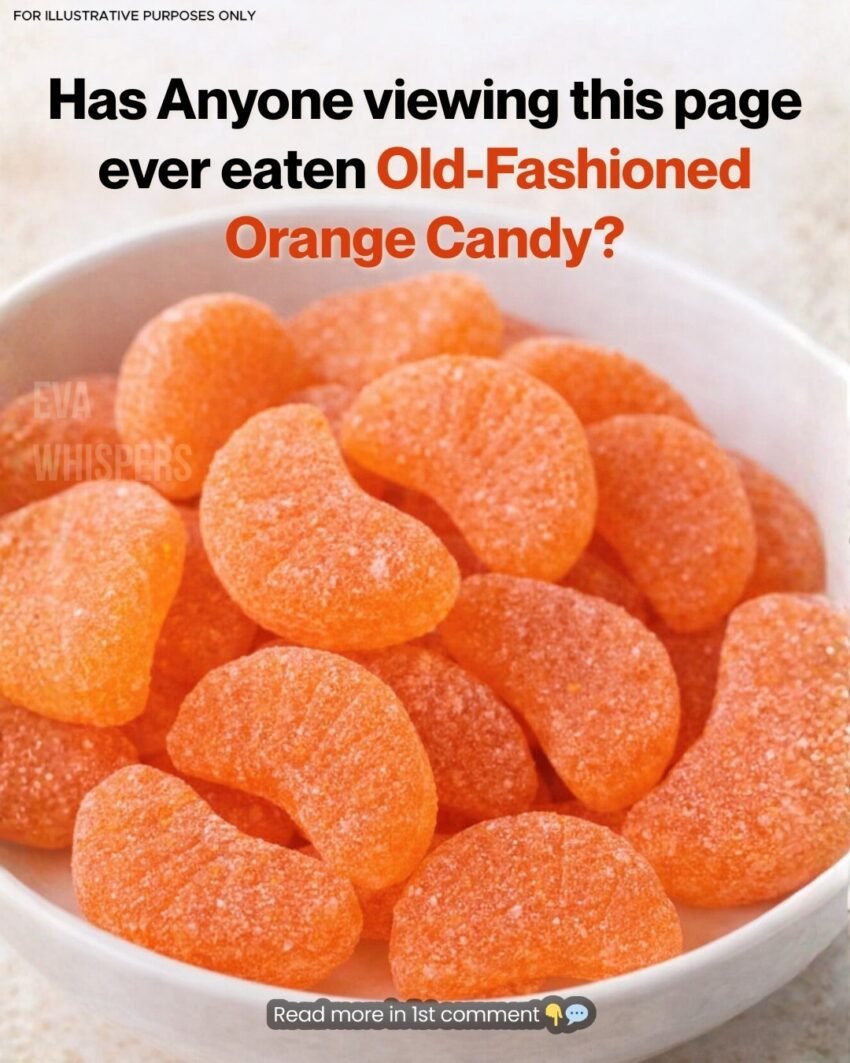
How to Make Old-Fashioned Orange Candy at Home: 7 Simple Ingredients, Timeless Flavor
Learn how to make old-fashioned orange candy at home using simple pantry ingredients. Step-by-step guide, expert tips, and pro secrets included.
There’s something unmistakably comforting about the bright, citrusy snap of old-fashioned orange candy.
Maybe it reminds you of a glass jar on your grandmother’s kitchen counter. Or those individually wrapped citrus drops tucked inside a holiday tin. That sharp-sweet burst. The glossy finish. The way it slowly dissolves, leaving behind real orange flavor instead of artificial syrupy sweetness.
Here’s the good news: you don’t need specialty equipment or hard-to-find ingredients to make it yourself.
With a handful of basic pantry staples and a little patience, you can recreate that nostalgic American classic right in your kitchen — fresher, more flavorful, and without unnecessary additives.
This guide walks you through everything:
-
What makes old-fashioned orange candy different
-
Step-by-step instructions anyone can follow
-
Common mistakes (and how to avoid sticky disasters)
-
Expert-level tricks most recipes skip
-
Real-life uses beyond just snacking
-
2025 trends in homemade nostalgic sweets
-
And answers to the most searched questions
Whether you’re a beginner or a seasoned home cook, you’ll walk away confident — and likely planning your next batch before the first one cools.
Why Old-Fashioned Orange Candy Still Matters in America
Hard citrus candy has deep roots in American confectionery traditions.
Before mass-produced candy aisles dominated grocery stores, homemade sweets were common. Citrus candy, in particular, became popular because:
-
Oranges were widely available across the U.S.
-
Citrus oils preserved well in sugar
-
Bright flavors cut through winter heaviness
-
It doubled as a soothing throat treat
Even today, nostalgia-driven food trends continue to surge. According to consumer behavior analyses frequently discussed by publications like Forbes, Americans increasingly seek “comfort foods with authenticity.” Handmade candy fits that desire perfectly.
Making your own version allows you to:
-
Control ingredients
-
Avoid artificial dyes and preservatives
-
Adjust sweetness levels
-
Create personalized gifts
-
Connect with culinary tradition
It’s not just candy. It’s craft.
What Exactly Is Old-Fashioned Orange Candy?
At its core, it’s a hard candy made from:
-
Sugar
-
Corn syrup (or glucose)
-
Water
-
Natural orange flavor (zest, juice, or extract)
-
Optional food coloring
Unlike modern gummy or chewy candies, traditional orange candy is:
-
Clear or translucent
-
Firm and glass-like
-
Intensely flavored
-
Long-lasting when stored properly
Some regional variations in the United States include:
-
Pulled orange ribbon candy (popular in the Northeast)
-
Orange spice hard drops (common during holidays)
-
Candied orange peel dipped in sugar
Today, we’ll focus on classic hard orange candy — the kind that cracks cleanly and shines like amber glass.
Ingredients You’ll Need (Simple and Accessible)
You likely already have most of these in your kitchen:
Basic Recipe (Yields ~40–50 small candies):
-
2 cups granulated sugar
-
½ cup light corn syrup
-
½ cup water
-
1–2 tablespoons freshly grated orange zest
-
½ teaspoon pure orange extract (optional but recommended)
-
A few drops natural orange food coloring (optional)
-
Powdered sugar or cornstarch (for dusting)
Why Corn Syrup Matters
Corn syrup prevents crystallization. Without it, your candy may turn gritty instead of smooth.
If you prefer alternatives, glucose syrup works well. Honey can work in small amounts but alters flavor and texture.
Step-by-Step: How to Make Old-Fashioned Orange Candy
This process requires attention — but not stress.
Step 1: Prepare Your Workspace
Before turning on the stove:
-
Line a baking sheet with parchment paper or a silicone mat.
-
Lightly dust with powdered sugar.
-
Measure all ingredients.
-
Have a candy thermometer ready.
Candy moves fast once it reaches temperature.
Step 2: Combine Sugar, Corn Syrup & Water
In a heavy-bottom saucepan:
-
Add sugar, corn syrup, and water.
-
Stir gently over medium heat until sugar dissolves.
-
Stop stirring once it begins boiling.
Stirring after boiling can cause crystallization.
Step 3: Bring to Hard Crack Stage (300–310°F)
Attach your thermometer.
Allow mixture to boil undisturbed until it reaches 300–310°F (hard crack stage).
This typically takes 10–15 minutes.
If you don’t have a thermometer, test by dropping a small amount into cold water — it should harden instantly and snap cleanly.
Step 4: Add Orange Flavor
Once temperature hits 300°F:
-
Remove from heat immediately.
-
Quickly stir in zest and extract.
-
Add food coloring if desired.
Be careful — mixture is extremely hot.
Step 5: Pour and Shape
Carefully pour onto prepared surface.
You can:
-
Let it spread and break into shards
-
Score with a knife before fully hardening
-
Pour into silicone molds
Allow to cool completely (about 20 minutes).
Step 6: Dust and Store
Lightly dust pieces with powdered sugar to prevent sticking.
Store in:
-
Airtight glass jar
-
Metal tin
-
Cool, dry location
Properly stored, it lasts up to 3–4 weeks.
Real-Life Scenario: A Holiday Gift That Feels Personal
Imagine this:
It’s December in Ohio. You’re assembling small handmade gift boxes for neighbors. Instead of store-bought candy, you add a small parchment pouch filled with homemade orange candy shards.
The color glows. The scent is fresh. It feels intentional.
People notice that difference.
That’s the power of handmade.
Expert Tips Most Recipes Don’t Tell You
1. Use Fresh Zest — Not Bottled Juice Alone
The essential oils in orange peel deliver deeper flavor than juice alone.
2. Don’t Overcook Past 310°F
Beyond that, sugar burns quickly and creates bitterness.
3. Warm Your Molds Slightly
Cold molds can cause uneven cooling and cracking.
4. Humidity Matters
On humid days, candy may turn sticky. Choose dry days if possible.
5. Add a Pinch of Citric Acid
Want brighter citrus pop? A small pinch enhances tang without extra sweetness.
Pros and Cons of Making It at Home
| Pros | Cons |
|---|---|
| No artificial preservatives | Requires thermometer |
| Customizable flavor | Sugar work requires attention |
| Budget-friendly | Can be sticky in humid climates |
| Great for gifts | Not suitable for young kids to prepare alone |
| Deep nostalgic appeal | Cleanup involves hardened sugar |
Balanced truth: it’s simple, but not “set it and forget it.”
Common Beginner Mistakes (And How to Avoid Them)
Mistake #1: Stirring After Boiling
Solution: Stop stirring once dissolved.
Mistake #2: Guessing Temperature
Solution: Use a thermometer.
Mistake #3: Adding Flavor Too Early
Solution: Add after removing from heat to preserve oils.
Mistake #4: Storing in Plastic Bags
Solution: Use airtight containers with desiccant if needed.
Creative Variations to Try
Once you master the base recipe, experiment:
-
Orange-Vanilla Cream Candy – Add a touch of vanilla extract.
-
Spiced Orange Candy – Add cinnamon and clove.
-
Blood Orange Version – Deeper citrus flavor.
-
Orange-Lemon Blend – Bright and layered.
-
Dipped in Dark Chocolate – For elegant gifting.
2026 Trend: Nostalgia Meets Clean Ingredients
Food trends heading into 2025 continue to emphasize:
-
Transparency in ingredients
-
Fewer artificial dyes
-
Small-batch cooking
-
Handmade gifting
Home candy-making aligns perfectly with this movement.
Consumers increasingly prioritize ingredient awareness — a behavior trend frequently analyzed by Google search data insights.
Search interest in “homemade candy” continues to show seasonal spikes, especially in fall and winter across the United States.
This isn’t fading. It’s resurging.
Mini Case Example: From Hobby to Holiday Tradition
A Texas home baker began making citrus hard candy for family gatherings. Word spread. She now produces small holiday batches for local markets — not as a full-time business, but as a tradition.
The appeal? Authenticity.
No artificial flavor.
Just sugar, citrus, and care.
That’s what resonates.
Frequently Asked Questions
1. Can I make orange candy without corn syrup?
Yes, but texture may crystallize. Glucose syrup works best as a substitute.
2. How long does homemade hard candy last?
Up to 4 weeks if stored in airtight containers in a cool, dry place.
3. Can I use bottled orange juice?
Fresh zest provides stronger flavor. Juice alone may dilute the mixture.
4. Why is my candy sticky?
Humidity or undercooking are common causes.
5. Can I make it sugar-free?
Sugar substitutes behave differently at high temperatures. Results vary significantly.
6. Is this safe for children to help make?
Kids can help measure ingredients, but adults must handle boiling sugar.
7. Why did my candy turn cloudy?
Crystallization or stirring during boiling may cause this.
8. Can I add natural food coloring?
Yes. Use plant-based options if preferred.
9. Do I need special equipment?
A candy thermometer and heavy saucepan are sufficient.
10. Can I flavor it with essential oils?
Only use food-grade citrus oils designed for cooking.
Action Checklist: Make It Perfect Every Time
✔ Measure ingredients precisely
✔ Use a reliable candy thermometer
✔ Stop stirring once boiling begins
✔ Remove at 300–310°F
✔ Add flavor off heat
✔ Cool completely before breaking
✔ Store in airtight container
✔ Keep away from humidity
Save this checklist for your next batch.
The Emotional Value of Making Candy by Hand
There’s something grounding about watching sugar transform.
It bubbles.
It turns golden.
It thickens into something almost magical.
In a world dominated by convenience foods, taking 30 minutes to craft something simple feels different. Intentional.
That’s what keeps people returning to recipes like this.
Old-fashioned orange candy isn’t complicated.
It’s precise.
With simple ingredients and a little care, you can create a vibrant, nostalgic treat that rivals store-bought versions — and often surpasses them in flavor and freshness.
More importantly, you create something memorable.
If you try this recipe, I’d love to know:
-
Did you go classic or add a twist?
-
Did humidity challenge you?
-
Did it become a new holiday tradition?
Leave a comment and share your experience. If this guide helped, consider bookmarking it for your next seasonal batch — or sharing it with someone who loves timeless kitchen crafts.
Sometimes the sweetest things are the simplest.