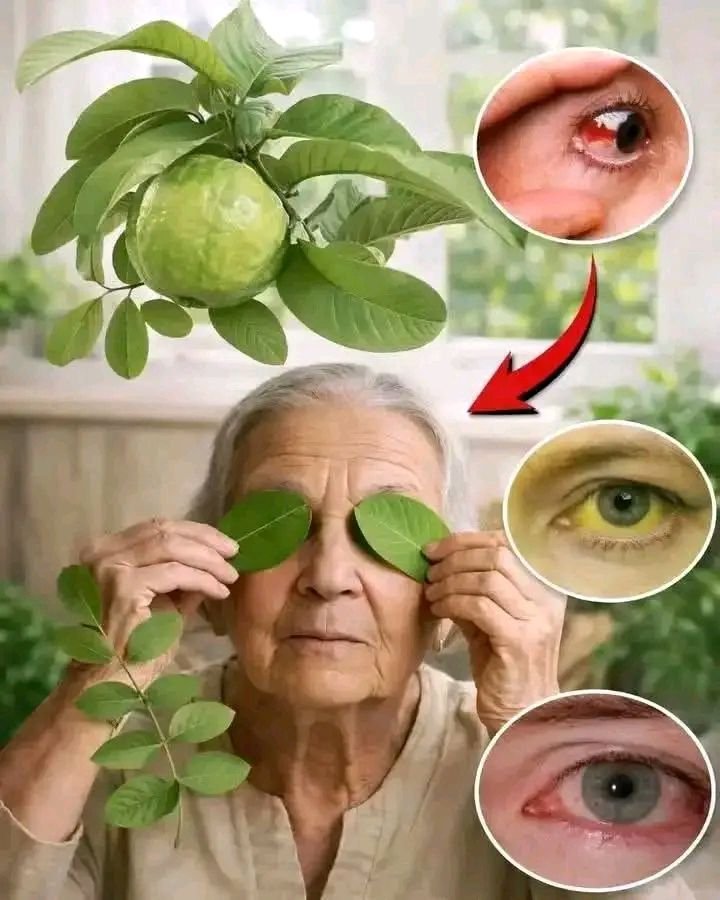
How to Use Guava for Eye Problems: A Natural Approach Backed by Science
Learn how guava may support eye health naturally, what it can and can’t do, safe preparation tips, and when to see a doctor for eye problems.
Introduction: Can Guava Really Help Your Eyes?
If you’ve searched online for natural eye remedies, you may have seen claims like:
“Use guava for eye problems—no need for expensive treatments.”
It’s appealing.
Guava is affordable, widely available in U.S. grocery stores, and packed with nutrients. But can it actually treat eye problems?
Here’s the honest answer:
Guava can support overall eye health—but it is not a cure for serious eye diseases.
In this comprehensive guide, you’ll learn:
-
What nutrients in guava support vision
-
Whether guava leaves can be used safely
-
What science says
-
What to avoid
-
And when to seek medical care
Let’s separate helpful nutrition from risky home remedies.
What Is Guava?
Guava is a tropical fruit from the species:
Psidium guajava
It’s known for its sweet flavor and extremely high vitamin C content.
Both the fruit and leaves have been used traditionally in herbal medicine.
Why Guava May Support Eye Health
Guava contains several nutrients important for vision:
1. Vitamin A (Beta-Carotene)
Vitamin A plays a key role in:
-
Night vision
-
Retinal function
-
Preventing dryness
Deficiency in vitamin A can lead to vision issues.
2. Vitamin C
Guava is one of the richest natural sources of vitamin C.
Vitamin C supports:
-
Eye blood vessel health
-
Antioxidant protection
-
Reduced oxidative stress
Oxidative stress is linked to aging-related eye conditions.
3. Antioxidants
Guava contains:
-
Lycopene
-
Flavonoids
-
Polyphenols
These compounds may help protect eye cells from free radical damage.
Important Reality Check
Eating guava supports overall nutrition.
It does not:
-
Cure infections
-
Reverse cataracts
-
Treat glaucoma
-
Replace prescription eye drops
-
Repair retinal damage
Serious eye conditions require professional care.
How to Use Guava for Eye Health (Safely)
Let’s focus on safe, evidence-based approaches.
Method 1: Eat Fresh Guava Regularly
This is the safest and most effective approach.
How Much?
-
1 medium guava per day
-
Or add sliced guava to smoothies
-
Combine with leafy greens for extra eye-support nutrients
Consistent dietary intake supports long-term health.
Method 2: Guava Smoothie for Antioxidant Boost
Ingredients:
-
1 ripe guava
-
1 handful spinach (rich in lutein)
-
½ cup Greek yogurt
-
1 cup almond milk
Blend and enjoy as a morning drink.
This supports overall vision nutrition—not acute treatment.
Method 3: Guava Leaf Tea (For General Wellness Only)
Some traditional practices use guava leaves for inflammation.
Preparation:
-
Wash fresh guava leaves thoroughly.
-
Boil 4–5 leaves in water for 10 minutes.
-
Strain and let cool.
-
Drink as tea.
Important:
Do not apply guava leaf water directly into your eyes.
This can introduce bacteria and cause infection.
What You Should NEVER Do
Avoid these risky home remedies:
-
Placing crushed guava leaves directly on eyes
-
Using homemade guava “eye drops”
-
Rubbing guava juice into eyelids
-
Skipping medical care for serious symptoms
The eye is extremely sensitive.
Improper remedies can lead to infection or corneal damage.
Eye Conditions That Require Medical Attention
If you experience:
-
Sudden blurred vision
-
Severe eye pain
-
Light sensitivity
-
Persistent redness
-
Discharge
-
Floaters or flashes
Seek immediate medical evaluation.
Conditions like:
Glaucoma
Cataract
Macular Degeneration
Require professional treatment.
Nutrition supports—but does not replace—ophthalmology care.
Pros and Cons of Using Guava for Eye Health
Pros
-
High in vitamin C
-
Contains beta-carotene
-
Affordable and accessible
-
Supports immune health
-
Easy to incorporate into diet
Cons
-
Not a treatment for eye disease
-
Overuse of leaf extracts may cause irritation
-
No evidence for topical eye application
-
Cannot reverse structural damage
Common Mistakes People Make
1. Confusing Nutrition With Treatment
Food supports health but doesn’t replace medication.
2. Applying Herbal Solutions Directly to Eyes
This can cause infection or chemical irritation.
3. Ignoring Underlying Conditions
Chronic eye symptoms require diagnosis.
4. Expecting Immediate Results
Nutritional benefits occur gradually.
Real-Life Example
Imagine two people:
Person A:
-
Eats antioxidant-rich foods
-
Wears UV-protective sunglasses
-
Gets annual eye exams
-
Manages blood sugar
Person B:
-
Uses herbal eye rinses
-
Skips medical checkups
-
Relies on internet advice
Over time, Person A is more likely to preserve long-term vision.
Prevention is powerful—but it must be done wisely.
Frequently Asked Questions
1. Can guava improve blurry vision?
Only if the blur is related to nutrient deficiency. Most blurry vision requires professional evaluation.
2. Is guava good for dry eyes?
It may support overall nutrition but won’t replace artificial tears.
3. Can I wash my eyes with guava leaf water?
No. This is not recommended.
4. How often should I eat guava?
1 serving daily is reasonable as part of a balanced diet.
5. Is guava safe for diabetics?
Yes, in moderation. It has moderate natural sugar content.
6. Does guava prevent cataracts?
Antioxidants may help reduce oxidative stress, but no food prevents cataracts entirely.
7. Are guava supplements effective?
Whole fruit is generally preferred over supplements unless advised by a healthcare provider.
8. What’s the best nutrient for eye health?
Vitamin A, lutein, omega-3s, and zinc all support vision.
The Bigger Picture: Vision Health Is Multifactorial
Strong eyesight depends on:
-
Nutrition
-
Blood sugar control
-
UV protection
-
Screen-time management
-
Regular eye exams
-
Managing blood pressure
Guava can be part of a healthy diet.
It is not a stand-alone eye treatment.
Final Thoughts: Smart Natural Support, Not Risky Shortcuts
Using guava for eye health makes sense from a nutritional perspective.
It’s rich in antioxidants and vitamins.
But putting guava directly into your eyes or using it as a replacement for medical treatment can be harmful.
The smartest strategy?
Eat well. Protect your eyes. Get regular exams.
Use natural foods as support—not substitutes.
Your Turn
Have you tried improving your diet to support your vision?
What changes made a difference?
Share your experience below—and consider sending this guide to someone curious about natural eye health remedies.
Healthy eyes are worth protecting the right way.