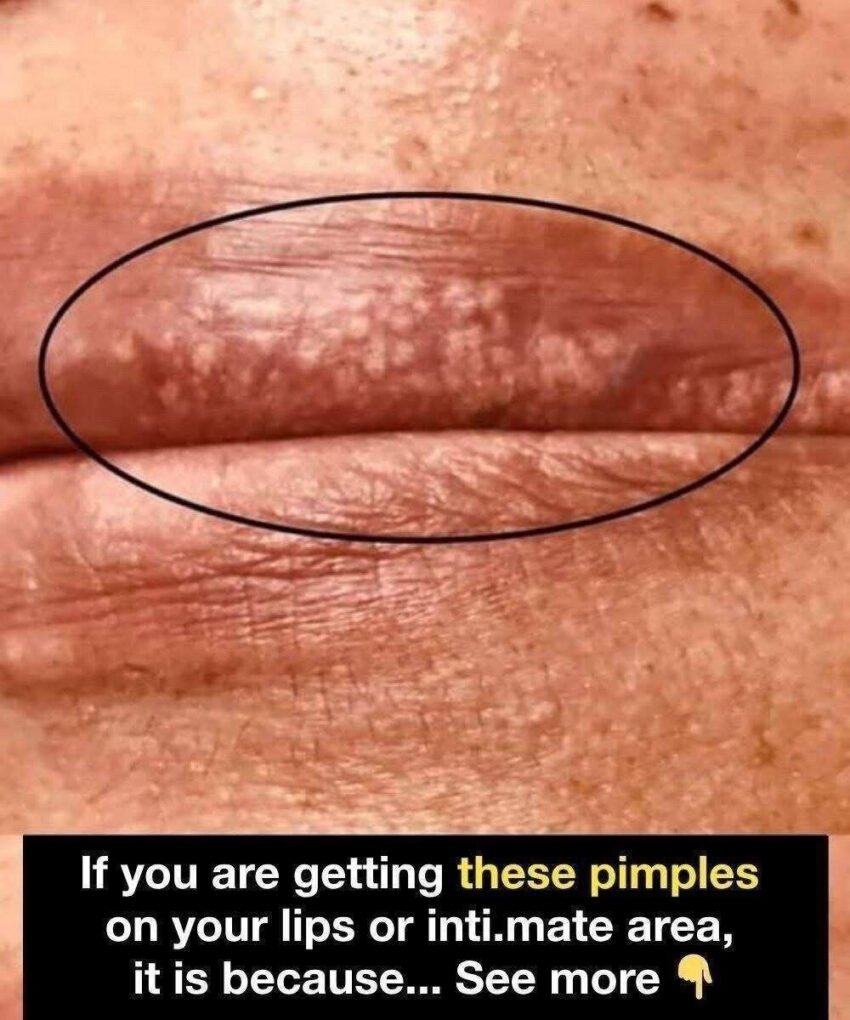
If You Are Getting Pimples on Your Lips or Intimate Area, Here’s What It Could Be
Pimples on your lips or intimate areas can be alarming. Learn the common causes, treatments, and when to see a doctor to protect your skin and health.
Introduction: Unexpected Pimples
Pimples are a common concern on the face, but when they appear on your lips, around your mouth, or in intimate areas, it can feel worrying and confusing.
These areas are sensitive, and skin changes may indicate anything from minor irritation to underlying infections or hormonal imbalances. Understanding the cause is key to safe treatment and preventing recurrence.
In this guide, we’ll explore:
-
Why pimples appear in these sensitive areas
-
How to treat them safely
-
When to seek medical attention
Common Causes of Pimples on Lips or Intimate Areas
1. Folliculitis (Inflamed Hair Follicles)
-
What it is: Inflammation of hair follicles caused by bacteria, friction, or sweat.
-
Appearance: Small, red bumps that may contain pus.
-
Treatment: Keep the area clean, avoid tight clothing, use mild antibacterial washes, and sometimes topical antibiotics.
2. Blocked Pores or Sweat Glands
-
Lips and intimate areas have sweat and oil glands that can become blocked.
-
Causes include friction, shaving, or using certain lip balms or soaps.
-
Treatment: Gentle cleansing, exfoliation if appropriate, and avoiding irritating products.
3. Hormonal Fluctuations
-
Hormones influence oil production, making some areas more prone to pimples.
-
Common around puberty, menstrual cycles, or hormonal therapy.
-
Treatment: Over-the-counter creams with salicylic acid or benzoyl peroxide may help, but avoid harsh products on sensitive skin.
4. Sexually Transmitted Infections (STIs)
-
Some bumps in the intimate area may be caused by STIs such as genital herpes, molluscum contagiosum, or HPV warts.
-
Appearance: Small, sometimes painful bumps or blisters.
-
Action: See a doctor promptly for testing and treatment.
5. Cold Sores (Herpes Simplex Virus)
-
On the lips, pimples or blisters are often cold sores caused by HSV-1.
-
Triggers: Stress, sun exposure, hormonal changes, or illness.
-
Treatment: Antiviral creams or oral medications.
6. Allergic Reactions or Irritation
-
Lip products, soaps, detergents, or clothing fabrics can cause contact dermatitis, leading to bumps.
-
Treatment: Identify and avoid the irritant, and apply soothing creams if needed.
Safe Treatment Tips
-
Keep the area clean: Wash gently with mild, fragrance-free cleansers.
-
Avoid squeezing or picking: This can spread infection and worsen irritation.
-
Use non-irritating products: Avoid harsh scrubs or strong acne creams on sensitive areas.
-
Wear breathable clothing: Helps prevent sweat buildup and friction.
-
Apply warm compresses: Can reduce discomfort and help drain minor pimples safely.
When to See a Doctor
Seek professional care if:
-
Pimples persist for more than a week without improvement
-
They are painful, spreading, or filled with pus
-
There are other symptoms like fever, itching, or unusual discharge
-
You suspect STIs or infections
A dermatologist or primary care doctor can diagnose the cause and recommend safe treatment.
FAQ: Pimples in Sensitive Areas
Q: Can pimples in the intimate area be prevented?
A: Maintaining hygiene, wearing breathable fabrics, and avoiding harsh products helps prevent irritation.
Q: Are pimples on the lips contagious?
A: Cold sores caused by herpes are contagious; regular pimples are generally not.
Q: Can shaving cause pimples in intimate areas?
A: Yes, shaving can irritate hair follicles, leading to folliculitis or ingrown hairs.
Q: Are these bumps always acne?
A: No, many pimples in sensitive areas are folliculitis, cold sores, or irritation, not typical acne.
Q: Should I use regular acne creams on these areas?
A: Use caution; benzoyl peroxide or salicylic acid may irritate sensitive skin. Gentle, doctor-recommended treatments are best.
Pimples on your lips or intimate areas are usually harmless, but can be uncomfortable and concerning.
By understanding the cause — whether blocked pores, folliculitis, hormonal changes, or viral infections — you can treat them safely and prevent recurrence.
Always consult a healthcare professional if you’re unsure, experiencing pain, or suspect an infection, because proper diagnosis is essential for safe treatment and peace of mind.