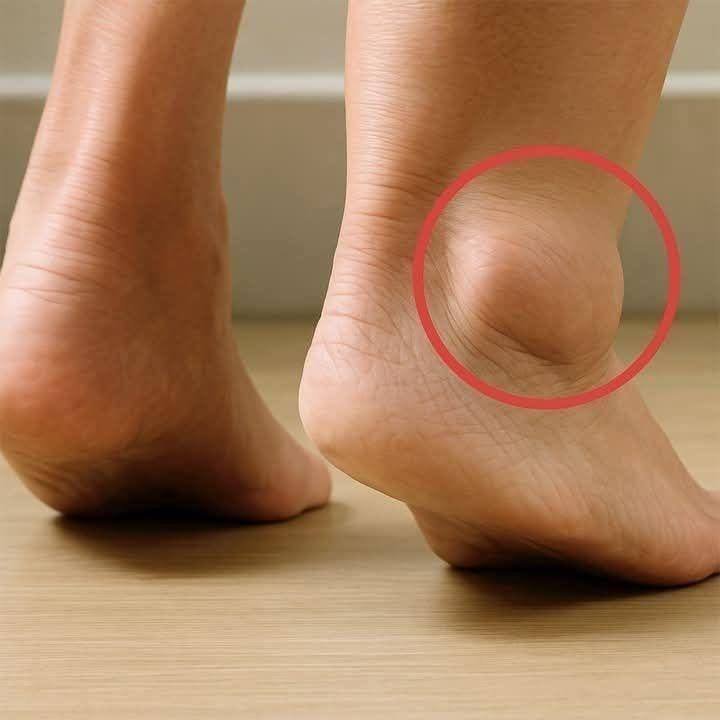
If Your Feet Are Swollen, It Could Be a Clear Sign That… 🦶
Swollen feet aren’t just uncomfortable — they can also be a signal from your body that something isn’t quite right.
Many people dismiss it as standing too long, wearing tight shoes, or hot weather. While that’s sometimes true, persistent or sudden swelling can indicate underlying health issues that deserve attention.
Let’s break down what swollen feet can really mean — and when you should seek medical advice.
🦵 Common Causes of Swollen Feet
Swelling (edema) occurs when fluid builds up in the tissues of your feet, ankles, or legs.
1️⃣ Standing or Sitting Too Long
-
Gravity pulls fluid into your lower extremities
-
Common after long flights or long hours on your feet
-
Usually goes down after resting or elevating your feet
2️⃣ Injury or Infection
-
Sprains, fractures, or cuts can cause localized swelling
-
Infections can trigger redness, warmth, and tenderness
3️⃣ Pregnancy
-
Hormonal changes and extra fluid can cause swelling in feet and ankles
-
Typically more noticeable in the third trimester
⚠️ When Swollen Feet Could Signal Something Serious
Persistent or sudden swelling can be a warning sign of more serious conditions:
💓 Heart Problems
-
Congestive heart failure can cause fluid buildup in the feet and legs
-
Often accompanied by fatigue, shortness of breath, or rapid weight gain
🩸 Kidney Issues
-
Kidneys regulate fluid balance
-
Impaired kidney function can lead to swelling in the feet, ankles, or around the eyes
🫀 Liver Disease
-
Liver disease can reduce the production of proteins that keep fluid in the bloodstream, causing fluid to leak into tissues
🩺 Blood Clots (Deep Vein Thrombosis)
-
Usually in one leg
-
Redness, warmth, and pain may accompany swelling
-
Requires immediate medical attention
💊 Medication Side Effects
-
Certain drugs can cause edema, including:
-
Blood pressure medications (calcium channel blockers)
-
Steroids
-
Some diabetes medications
-
🩴 Lifestyle and Diet Factors
Swelling can sometimes be influenced by daily habits:
-
High salt intake can increase water retention
-
Prolonged standing or sitting
-
Tight footwear or high heels
-
Dehydration (ironically, not enough water can trigger fluid retention)
✅ Tips to Reduce Swollen Feet
If your swelling is mild or temporary:
-
Elevate your feet above heart level several times a day
-
Move regularly — walk, stretch, or do ankle circles
-
Wear compression socks if recommended by a doctor
-
Limit salt intake to reduce water retention
-
Stay hydrated — drink plenty of water
-
Avoid tight shoes or socks
🩺 When to See a Doctor
Seek prompt medical advice if you notice:
-
Sudden or severe swelling
-
Swelling in only one leg
-
Pain, redness, or warmth
-
Shortness of breath, chest pain, or dizziness
-
Swelling accompanied by fatigue, weight gain, or frequent urination
These could indicate heart, kidney, or vascular problems that need urgent attention.
Swollen feet are sometimes harmless — caused by standing too long, heat, or mild fluid retention.
But they can also be a signal that something more serious is happening in your body.
Pay attention to patterns, accompanying symptoms, and duration.
And when in doubt, get checked by a healthcare professional — especially if kids, older adults, or someone with pre-existing conditions is affected.
Your feet are literally carrying you through life — it’s worth listening to what they’re telling you.