If Your Hands Fall Asleep, It’s a Clear Sign You Might Have This (Don’t Ignore It)
Numb or “asleep” hands? Discover the most common causes, warning signs, and when to see a doctor for tingling or hand numbness.
You wake up in the middle of the night.
One hand feels heavy.
Tingly.
Almost electric.
You shake it. It slowly “comes back.”
Most people brush it off.
But if your hands fall asleep frequently — especially without obvious pressure — your body may be signaling something important.
Occasional numbness from sleeping on your arm is normal. Persistent or recurring numbness is not.
Let’s break down what it could mean, what’s harmless, and what deserves medical attention.
First: What Does “Hands Falling Asleep” Actually Mean?
That pins-and-needles sensation is called paresthesia.
It happens when:
-
A nerve is compressed
-
Blood flow is temporarily reduced
-
Or nerve signaling is disrupted
Brief episodes (like leaning on your elbow too long) are common.
Repeated episodes — especially in the same hand or fingers — often point to a nerve issue.
According to the National Institute of Neurological Disorders and Stroke, persistent numbness or tingling should be evaluated, particularly if it interferes with daily function.
The Most Common Cause: Carpal Tunnel Syndrome
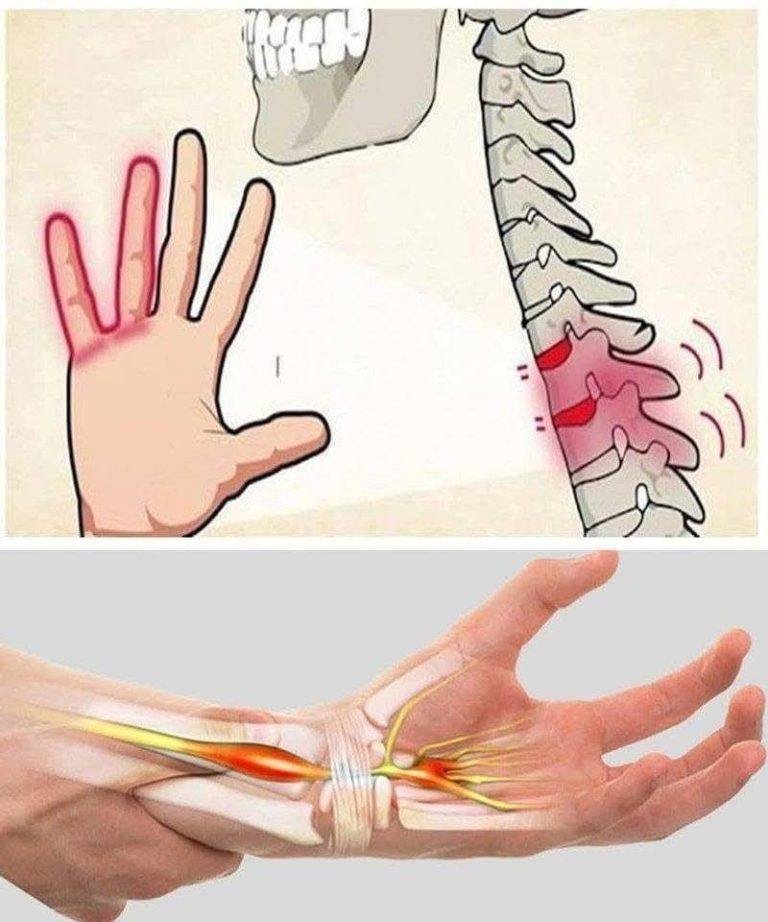
If your hands fall asleep regularly — especially at night — the most likely cause is Carpal Tunnel Syndrome.
What Is It?
Carpal tunnel syndrome happens when the median nerve becomes compressed as it passes through the wrist.
The Mayo Clinic describes it as a condition that causes numbness, tingling, weakness, or pain in the hand and fingers.
Typical Symptoms:
-
Numbness in thumb, index, and middle fingers
-
Tingling that wakes you at night
-
Weak grip strength
-
Dropping objects
-
Relief after shaking your hand
If this sounds familiar, you’re not alone.
Carpal tunnel is especially common in:
-
Office workers
-
Drivers
-
Mechanics
-
Hairstylists
-
Anyone doing repetitive wrist movements
Other Possible Causes You Shouldn’t Ignore
Carpal tunnel isn’t the only explanation.
Here are other medical possibilities:
1. Cervical Radiculopathy (Pinched Nerve in the Neck)
Sometimes the problem isn’t in your hand — it’s in your neck.
A compressed nerve in the cervical spine can cause:
-
Hand numbness
-
Arm tingling
-
Shoulder pain
-
Weakness
Unlike carpal tunnel, this may involve the entire arm.
2. Peripheral Neuropathy
Peripheral neuropathy involves nerve damage outside the brain and spinal cord.
Common causes include:
-
Diabetes
-
Vitamin B12 deficiency
-
Alcohol overuse
-
Certain medications
The Centers for Disease Control and Prevention notes that diabetes is a leading cause of nerve damage in the U.S.
Symptoms often include:
-
Burning sensation
-
Symmetrical numbness (both hands)
-
Gradual worsening
If both hands frequently fall asleep, this warrants medical evaluation.
3. Thoracic Outlet Syndrome
This less common condition involves compression of nerves or blood vessels between the collarbone and first rib.
Symptoms may include:
-
Hand numbness
-
Arm fatigue
-
Cold fingers
-
Discoloration
4. Poor Circulation
If your hands turn:
-
Pale
-
Blue
-
Or feel unusually cold
Circulation issues could be involved.
Conditions like Raynaud’s phenomenon cause reduced blood flow to fingers in response to cold or stress.
When It’s Probably Harmless
Your hands may fall asleep temporarily due to:
-
Sleeping on your arm
-
Resting elbows on hard surfaces
-
Holding your phone for long periods
-
Tight watchbands
-
Prolonged driving
If sensation returns quickly and doesn’t happen often, it’s usually positional.
The key distinction: Frequency and progression.
Red Flag Warning Signs
Seek medical attention promptly if you experience:
-
Persistent numbness lasting hours
-
Weakness in hand grip
-
Muscle wasting in the thumb
-
Numbness spreading to face or leg
-
Slurred speech
-
Sudden onset of one-sided numbness
Sudden neurological symptoms may require emergency evaluation.
Why Nighttime Numbness Is So Common
At night:
-
Wrists often bend inward
-
Neck posture changes
-
Fluid shifts increase pressure
This makes nerve compression more likely.
Carpal tunnel symptoms are especially known for waking people from sleep.
How Doctors Diagnose the Cause
Evaluation may include:
-
Physical exam
-
Grip strength testing
-
Nerve conduction studies
-
Blood tests (to check for diabetes or vitamin deficiencies)
-
Imaging if spinal involvement is suspected
The earlier nerve compression is identified, the easier it is to treat conservatively.
What You Can Do Right Now
If symptoms are mild and occasional:
1. Adjust Wrist Position
Keep wrists neutral while sleeping.
A soft wrist brace can help.
2. Improve Ergonomics
-
Keep keyboard at elbow height
-
Avoid bending wrists while typing
-
Use supportive mouse pads
3. Stretch Regularly
Gentle wrist and neck stretches may relieve tension.
4. Reduce Repetitive Strain
Take breaks every 30–60 minutes during computer work.
Treatment Options (Depending on Cause)
For carpal tunnel syndrome:
-
Wrist splints
-
Anti-inflammatory medication (as directed by a physician)
-
Corticosteroid injections
-
Surgery in severe cases
For peripheral neuropathy:
-
Blood sugar management
-
Vitamin supplementation
-
Medication for nerve pain
For neck-related issues:
-
Physical therapy
-
Postural correction
-
Targeted strengthening
Treatment depends entirely on diagnosis.
Mini Case Scenario
Maria, 52, noticed her right hand falling asleep every night.
She assumed it was just aging.
After months, she began dropping coffee mugs.
Her doctor diagnosed carpal tunnel syndrome. A nighttime wrist brace significantly reduced symptoms within weeks.
Early intervention prevented surgery.
The lesson?
Don’t wait until weakness develops.
Common Myths About Hand Numbness
“It’s just bad circulation.”
Not always. Nerve compression is more common.
“It’s normal aging.”
Frequent numbness is not a normal part of aging.
“If it goes away, it’s nothing.”
Recurring symptoms still deserve attention.
Frequently Asked Questions
Is it dangerous if my hands fall asleep at night?
Occasional episodes are common. Frequent or worsening symptoms need evaluation.
How do I know if it’s carpal tunnel?
Numbness in thumb, index, and middle fingers — especially at night — is a classic sign.
Can dehydration cause hand numbness?
Not typically. Nerve compression is more common.
Should I see a doctor right away?
If symptoms are persistent, worsening, or accompanied by weakness — yes.
Can anxiety cause tingling hands?
Anxiety can cause temporary tingling due to hyperventilation, but repeated localized numbness is more often nerve-related.
Does sleeping position matter?
Yes. Bent wrists or pressure on arms can trigger symptoms.
Is surgery always required?
No. Many cases improve with conservative treatment.
Can exercise help?
Targeted physical therapy exercises may improve symptoms, depending on the cause.
Action Checklist
-
Notice frequency and pattern
-
Identify which fingers are affected
-
Adjust sleep and desk posture
-
Try a wrist brace at night
-
Schedule medical evaluation if symptoms persist
If your hands fall asleep occasionally after leaning on them, it’s usually harmless.
But if numbness is frequent, wakes you at night, or causes weakness, it may be a sign of nerve compression — most commonly carpal tunnel syndrome.
Your body rarely sends repeated signals without a reason.
Pay attention.
If this article helped clarify what might be happening, consider sharing it with someone who’s been shaking their hands awake at 3 a.m. And if you’ve experienced this yourself, what did your doctor discover?