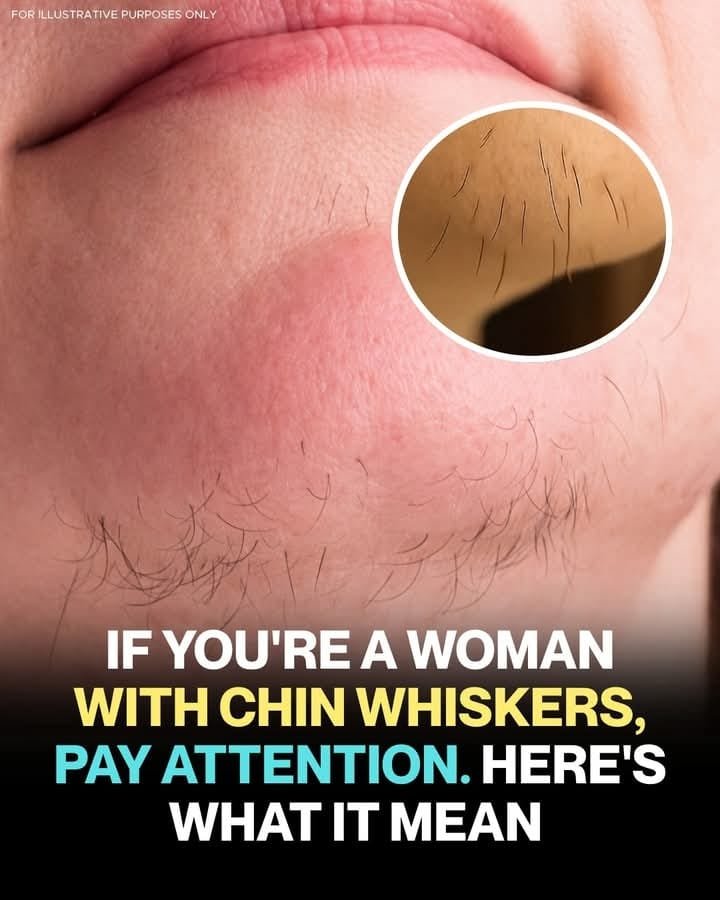
If You’re a Woman With Chin Whiskers, Here’s What It Might Mean
Learn why women sometimes develop chin whiskers, what it may indicate about hormones or health, and safe ways to manage them naturally.
Introduction: The Truth About Chin Whiskers
Facial hair in women, especially around the chin, is more common than many realize. While some women experience it occasionally, for others, visible whiskers can be a source of embarrassment or confusion.
Before worrying, it helps to understand:
-
Why these hairs appear
-
What they may indicate about your health
-
Safe and effective ways to manage them
This article dives into the science, practical solutions, and health insights behind chin whiskers.
Why Women Develop Chin Whiskers
1. Hormonal Fluctuations
-
Androgens are hormones that promote hair growth.
-
Women naturally produce small amounts of androgens. An imbalance—caused by stress, polycystic ovary syndrome (PCOS), or menopause—can trigger chin whiskers.
2. Genetics
-
Family history plays a role. If your mother or grandmother had facial hair, you may be predisposed.
3. Age and Menopause
-
Hormonal changes during menopause can increase coarser hair on the chin or upper lip.
-
This is a normal part of aging for many women.
4. Medical Conditions
-
Certain conditions, like PCOS or adrenal gland disorders, can cause excessive facial hair.
-
If whiskers appear suddenly or in large amounts, consulting a healthcare provider is recommended.
Safe and Practical Ways to Manage Chin Whiskers
1. At-Home Grooming
-
Tweezing: Precise, immediate removal of individual hairs.
-
Waxing or Sugaring: Effective for multiple hairs; lasts longer than tweezing.
-
Shaving: Quick and painless but requires regular upkeep.
2. Professional Treatments
-
Laser Hair Removal: Offers long-term reduction by targeting hair follicles.
-
Electrolysis: Permanent hair removal; best for small areas like the chin.
3. Hormonal or Medical Solutions
-
For women with PCOS or hormonal imbalances, doctors may recommend:
-
Birth control pills to regulate hormones
-
Anti-androgen medications (like spironolactone)
-
4. Natural Approaches
-
Some women find threading or exfoliation reduces the appearance of fine hairs.
-
Maintaining a balanced diet and stress management can help regulate hormones naturally.
Common Myths About Chin Whiskers
-
Myth 1: Only older women get them
-
Reality: Teenagers and young women can develop fine chin hairs due to hormones.
-
-
Myth 2: Chin whiskers are always a sign of illness
-
Reality: Often, it’s completely normal. Sudden changes, however, may warrant a check-up.
-
-
Myth 3: Shaving makes hair grow back thicker
-
Reality: Shaving doesn’t change the hair follicle; hairs may appear coarser because the tip is blunt.
-
When to See a Doctor
-
Rapid increase in chin hair
-
Coarse hair appearing in unusual areas (sideburns, chest, back)
-
Irregular periods or other hormonal symptoms
These could indicate a hormonal imbalance that benefits from medical guidance.
FAQs: People Also Ask
Q: Are chin whiskers normal for women?
A: Yes, especially fine hairs. Many women have them; they’re often harmless.
Q: What causes dark or coarse chin hairs?
A: Usually hormonal changes or genetics.
Q: Can diet affect facial hair?
A: A balanced diet supports healthy hormone levels, which can reduce excessive hair growth.
Q: Are home remedies effective?
A: Temporary removal (threading, tweezing) works, but permanent removal usually requires professional treatment.
Q: Is it possible to prevent chin whiskers?
A: Not entirely—genetics and hormones play a big role—but managing health and hormones can reduce their prominence.
Conclusion: Chin Whiskers Are Common and Manageable
Facial hair is a natural part of life for many women. Chin whiskers are usually normal, harmless, and manageable with simple grooming or medical solutions if needed.
-
Understand the underlying causes
-
Choose safe grooming or removal methods
-
Seek help if you notice sudden changes
Remember: Chin whiskers don’t define you—they’re just another facet of natural beauty and health. With the right approach, you can manage them confidently and comfortably.