Instant Sciatica Pain Relief: Try These Safe Techniques and Feel Better in Minutes
Struggling with sciatica pain? Discover safe, doctor-recommended techniques that may ease discomfort fast and support long-term relief.
When sciatica flares up, it can stop you in your tracks.
One minute you’re fine. The next, a sharp, electric pain shoots from your lower back down your leg. Sitting hurts. Standing hurts. Even lying down can feel impossible.
If you’re searching for instant sciatica pain relief, you’re not alone. Millions of Americans deal with sciatic nerve pain every year — especially adults who sit for long hours, drive frequently, or have physically demanding jobs.
The good news?
While there’s no magic cure in 60 seconds, there are safe, practical techniques that can reduce pressure on the sciatic nerve quickly — sometimes within minutes.
Let’s walk through what actually works, what to avoid, and how to calm a flare-up fast.
First: What Is Sciatica, Really?
Sciatica isn’t a condition itself — it’s a symptom.
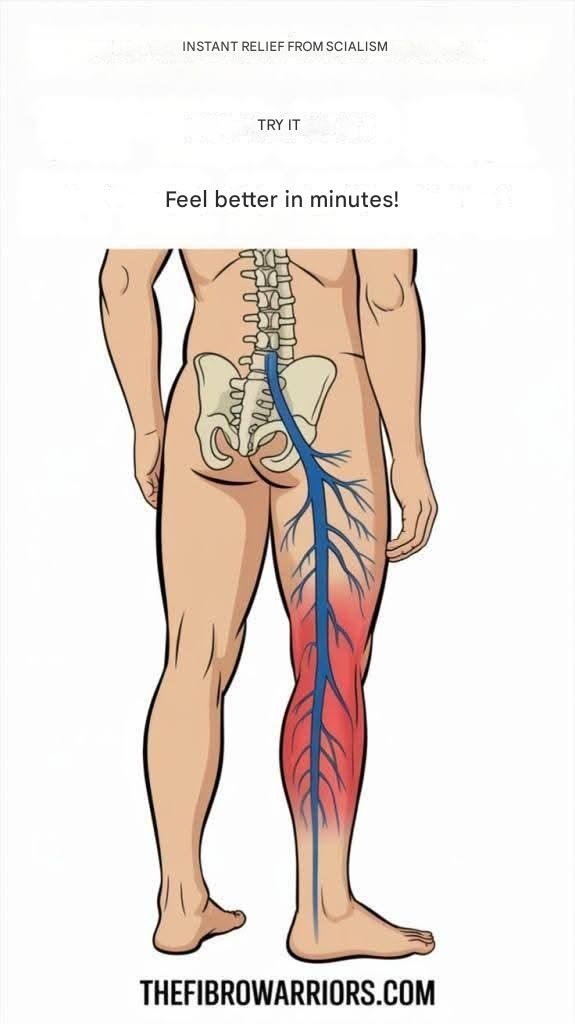
It happens when the sciatic nerve (the longest nerve in your body) becomes irritated or compressed. This nerve runs from your lower spine through your hips and down each leg.
Common causes include:
-
Herniated or bulging discs
-
Spinal stenosis
-
Muscle tightness (especially piriformis muscle)
-
Prolonged sitting
-
Injury
Symptoms may include:
-
Sharp, shooting leg pain
-
Burning sensation
-
Tingling or numbness
-
Weakness in one leg
-
Pain that worsens when sitting
Now let’s focus on fast relief.
7 Techniques That May Reduce Sciatica Pain Quickly
These methods are commonly recommended by physical therapists and healthcare providers. They are non-invasive and safe for most people — but if you have severe symptoms, always consult a medical professional.
1. The 90-90 Sciatic Nerve Relief Position (2–5 Minutes)
This position reduces pressure on the lower spine.
How to do it:
-
Lie on your back.
-
Place your calves on a chair or couch.
-
Knees and hips should be bent at 90 degrees.
-
Relax your arms at your sides.
-
Stay here for 2–5 minutes while breathing slowly.
Why it helps:
This position flattens your lower back against the floor and decreases spinal compression.
Many people report noticeable relief within minutes.
2. Gentle Sciatic Nerve Glide
Nerve gliding can reduce irritation if done carefully.
How to do it:
-
Sit upright in a chair.
-
Extend the painful leg straight.
-
Flex your foot upward.
-
Slowly lower your leg.
-
Repeat 8–10 times.
Move gently — no bouncing.
This may reduce nerve tension quickly.
3. Ice for Acute Flare-Ups (10–15 Minutes)
If pain is sharp and inflamed:
-
Apply ice to the lower back.
-
Use a towel barrier.
-
Limit to 15 minutes.
Ice reduces inflammation around the irritated nerve.
4. Heat for Muscle Tightness
If pain feels stiff or muscular rather than sharp:
-
Use a heating pad for 15–20 minutes.
-
Focus on the lower back or glutes.
Heat increases blood flow and relaxes tight muscles.
5. Piriformis Stretch (Often Immediate Relief)
Tight glute muscles can compress the sciatic nerve.
How to do it:
-
Lie on your back.
-
Cross your painful leg over the opposite knee.
-
Pull the bottom thigh toward your chest.
-
Hold for 20–30 seconds.
This stretch alone provides quick relief for many people.
6. Stand and Walk Slowly
Sitting increases disc pressure.
If pain began after sitting:
-
Stand up.
-
Walk gently for 5–10 minutes.
-
Keep posture upright.
Movement improves circulation and reduces stiffness.
7. Core Bracing Reset
Weak core muscles can worsen sciatica.
Try this:
-
Stand tall.
-
Gently tighten abdominal muscles (like bracing for a cough).
-
Hold 10 seconds.
-
Repeat 5 times.
This stabilizes your spine and reduces nerve strain.
What NOT to Do During a Sciatica Flare-Up
Avoid these common mistakes:
-
❌ Aggressive stretching
-
❌ Heavy lifting
-
❌ Long bed rest
-
❌ Twisting movements
-
❌ Ignoring worsening numbness
Too much rest can actually prolong recovery.
When Sciatica Is NOT “Normal”
Seek medical attention if you experience:
-
Loss of bladder or bowel control
-
Severe leg weakness
-
Numbness in the groin area
-
Pain after trauma
-
Symptoms lasting more than a few weeks
These may signal a serious condition requiring immediate evaluation.
Why Quick Relief Is Only Part of the Solution
Fast relief feels great.
But if sciatica keeps returning, the root cause must be addressed.
Common long-term contributors in the U.S.:
-
Desk jobs (8+ hours sitting)
-
Poor posture
-
Weak core muscles
-
Excess body weight
-
Repetitive strain
If flare-ups are frequent, consider:
-
Physical therapy
-
Posture correction
-
Strength training
-
Ergonomic chair setup
-
Weight management support
A Real-World Scenario
Mark, a 44-year-old delivery driver, experienced shooting leg pain after long shifts.
Ice helped temporarily, but the pain returned daily.
A physical therapist identified tight hip flexors and weak core muscles. After 6 weeks of guided strengthening and mobility work, his pain reduced significantly.
Instant relief methods helped during flare-ups — but consistent correction made the difference.
Frequently Asked Questions
1. Can sciatica go away on its own?
Yes, mild cases often improve within a few weeks with conservative care.
2. Is walking good for sciatica?
Gentle walking is often helpful unless pain worsens.
3. Should I stretch through the pain?
No. Stretch gently and stop if sharp pain increases.
4. Is bed rest recommended?
No. Extended bed rest can slow recovery.
5. How long does a flare-up last?
It varies — from a few days to several weeks depending on severity.
6. Is massage helpful?
For muscle-related compression, yes. For disc issues, consult a professional first.
7. Does weight affect sciatica?
Excess weight can increase spinal pressure.
8. Can exercise prevent sciatica?
Yes — especially core and glute strengthening.
Quick Action Checklist
✔ Try the 90-90 position immediately
✔ Use ice for sharp inflammation
✔ Use heat for tight muscles
✔ Walk gently instead of sitting
✔ Stretch the piriformis carefully
✔ Avoid aggressive movements
✔ Seek medical help if symptoms are severe
“Sciatica relief in minutes” isn’t about magic.
It’s about reducing nerve pressure safely and quickly.
The right position, the right stretch, or the right temperature therapy can make a noticeable difference fast — especially during early flare-ups.
If this helped, share it with someone dealing with nerve pain — and let me know which technique worked best for you.
Your spine supports you every day.
Take care of it, and it will take care of you.