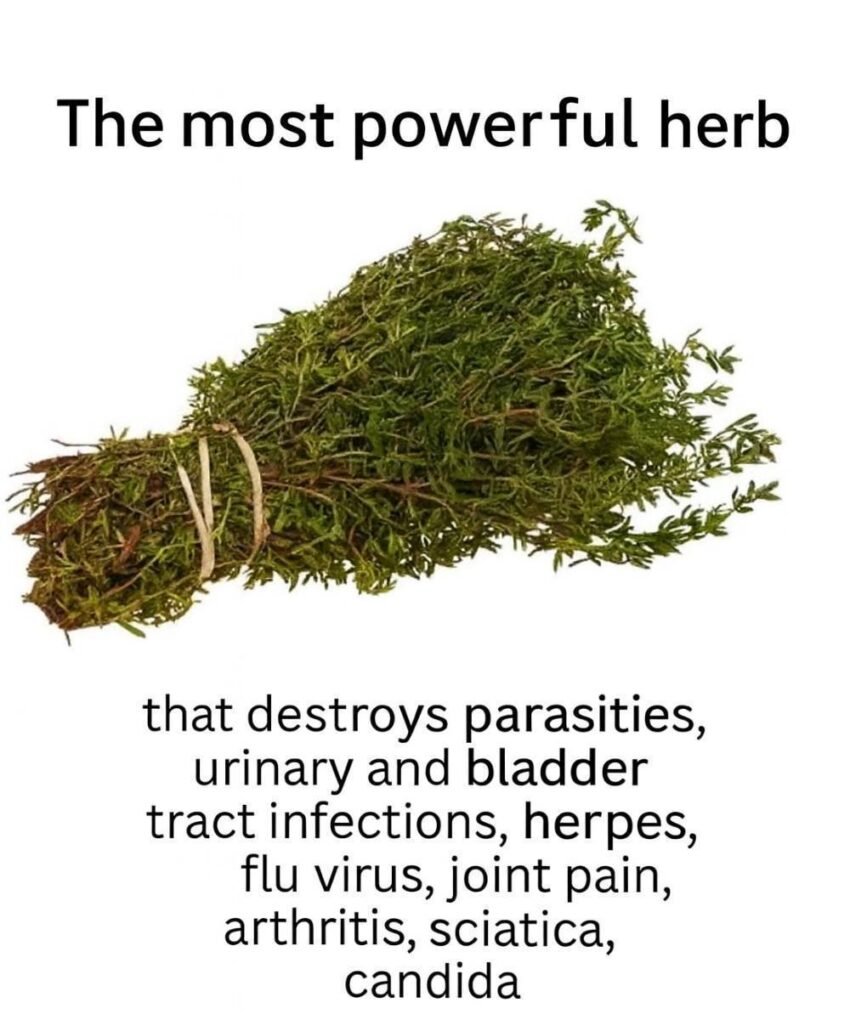
Is Bay Leaf “One of the Most Powerful Herbs in the World” That Destroys All Types of Infections?
That’s a bold claim.
And I understand why it spreads — we all want simple, natural solutions that sound powerful and universal.
But here’s the honest answer:
No herb — including bay leaf — destroys all types of infections.
Let’s break this down clearly, without hype or fear.
What Bay Leaf Actually Contains
Bay leaf (from Laurus nobilis) contains natural compounds such as:
-
Eugenol
-
Cineole
-
Linalool
-
Various antioxidants
In laboratory settings (in test tubes, not human bodies), some of these compounds show:
-
Mild antimicrobial activity
-
Antifungal properties
-
Anti-inflammatory effects
That sounds impressive — but there’s an important distinction.
Lab activity does not equal medical treatment.
The Critical Difference: In Vitro vs. In Humans
When researchers test herbs, they often:
-
Extract concentrated oils
-
Apply them directly to bacteria in a controlled lab environment
That’s very different from:
-
Drinking bay leaf tea
-
Adding it to soup
-
Applying diluted oil to skin
The concentration used in labs is often far stronger than what’s safe or practical for human use.
So while bay leaf shows some antimicrobial properties in research settings, it is not a proven cure for infections in the human body.
Why “Destroys All Types of Infections” Is a Red Flag
There are many different types of infections:
-
Bacterial
-
Viral
-
Fungal
-
Parasitic
Each type requires different treatment approaches.
For example:
-
Antibiotics treat certain bacterial infections
-
Antivirals target specific viruses
-
Antifungals address fungal infections
No single herb has been scientifically proven to eliminate all categories safely and effectively in humans.
When you see phrases like:
-
“Destroys all infections”
-
“Works 100%”
-
“Doctors don’t want you to know”
That’s usually marketing — not medicine.
Where Bay Leaf May Be Helpful
Let’s keep this balanced.
Bay leaf can:
-
Support digestion
-
Provide antioxidants
-
Contribute mild antimicrobial effects in food preservation
-
Add flavor without sodium
It may play a supportive role in overall wellness.
But supportive does not mean curative.
Why This Matters (Especially in the U.S.)
In the United States, delayed treatment of serious infections can lead to:
-
Hospitalization
-
Complications
-
Antibiotic resistance issues
-
Worsening chronic conditions
Relying solely on an unproven remedy for something like:
-
A severe bacterial infection
-
Pneumonia
-
Urinary tract infection
-
Strep throat
Can be dangerous.
Herbs can complement wellness — they should not replace medical care when needed.
A Realistic Way to Think About Herbal Power
Instead of asking:
“Does this herb destroy infections?”
A better question is:
“Does this herb support my body’s overall health?”
That’s a healthier framework.
Bay leaf may contribute small benefits as part of:
-
A balanced diet
-
A nutrient-rich lifestyle
-
Proper hydration
-
Good immune support habits
But it is not a standalone cure.
Why These Claims Go Viral
There’s a psychological reason extreme claims spread:
-
Fear sells.
-
Hope spreads.
-
Simple answers feel comforting.
“Most powerful herb in the world” is emotionally satisfying.
“Contains mild antimicrobial compounds with limited clinical evidence” is not exciting.
But it’s truthful.
Bay leaf is a useful culinary herb.
It contains natural compounds with some antimicrobial activity in laboratory studies.
But it does not destroy all types of infections.
No herb does.
If you’re dealing with an infection — especially one with fever, pain, swelling, or persistent symptoms — medical evaluation is important.
Natural remedies can be supportive.
They are not universal cures.
If you’d like, tell me what type of infection claim you saw — I can help break down what’s accurate and what’s exaggerated.