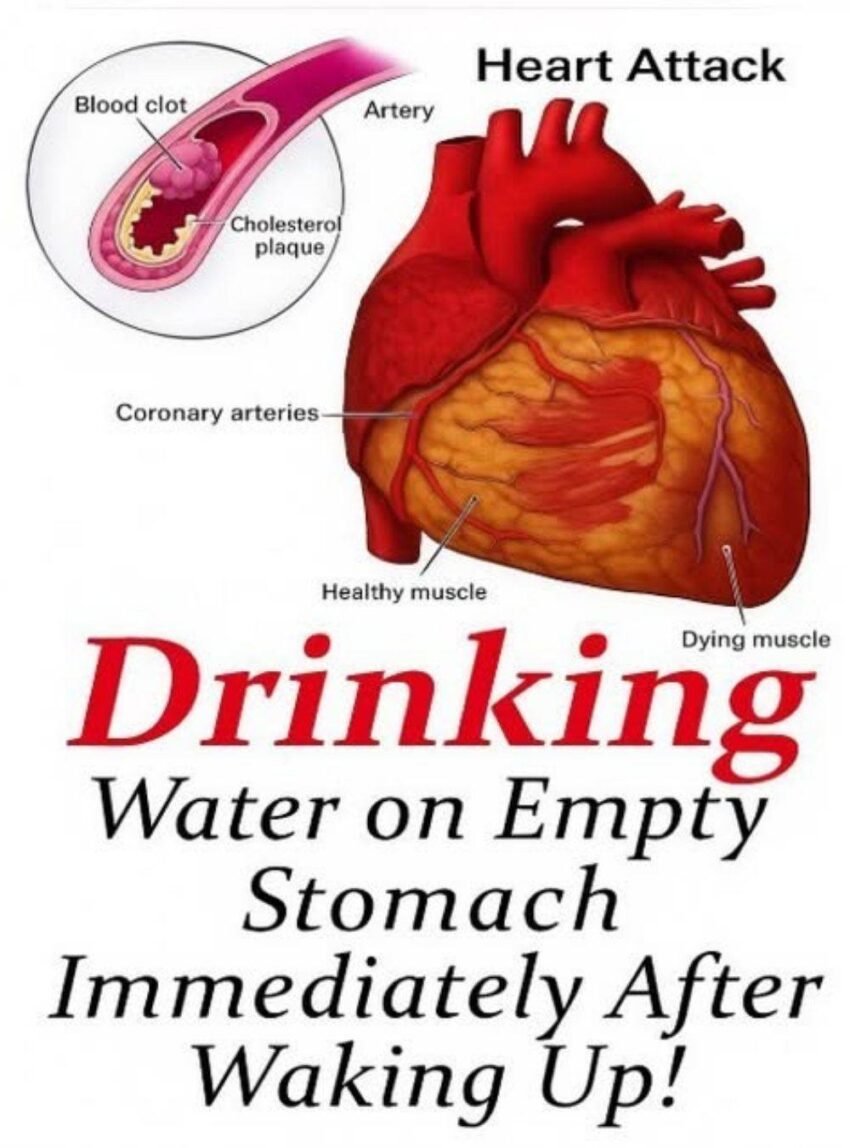
Is Drinking Water First Thing in the Morning Actually Good for You? What Science (and Habit) Really Say
Does drinking water first thing in the morning improve health? Explore the real benefits, myths, and how to build a smarter hydration habit.
You wake up.
Before coffee.
Before checking your phone.
Before breakfast.
Should you reach for a glass of water?
You’ve probably heard claims that morning water “flushes toxins,” “boosts metabolism,” or “supercharges digestion.”
Some of those claims are exaggerated.
But the habit itself? Surprisingly powerful—when understood correctly.
Let’s separate wellness hype from physiology and look at what drinking water first thing in the morning actually does for overall well-being.
Why Your Body Wakes Up Slightly Dehydrated
After 6–8 hours of sleep, you haven’t consumed fluids.
During the night, your body continues to:
-
Breathe (losing water vapor)
-
Sweat slightly
-
Produce urine
-
Maintain cellular function
This naturally reduces hydration levels.
It’s not severe dehydration for most healthy adults—but it’s enough to influence how you feel upon waking.
Mild dehydration can contribute to:
-
Grogginess
-
Dry mouth
-
Headache
-
Sluggish digestion
That’s where morning hydration comes in.
What Drinking Water in the Morning Actually Does
Let’s look at evidence-based benefits—without exaggeration.
1. Supports Rehydration After Sleep
This is the most straightforward benefit.
Drinking water replenishes fluid balance and supports:
-
Circulation
-
Oxygen delivery
-
Temperature regulation
Institutions like Harvard University frequently emphasize that even mild dehydration can impact energy and concentration.
A glass of water restores baseline hydration.
Simple—but meaningful.
2. May Improve Mental Alertness
Hydration affects cognitive performance.
Studies suggest that even small drops in hydration status may impact:
-
Attention
-
Reaction time
-
Mood
Drinking water in the morning may help you feel clearer faster—especially before caffeine kicks in.
It’s not a miracle productivity hack.
It’s foundational support.
3. Helps Jump-Start Digestion
Water stimulates the gastrointestinal tract.
If you tend to feel sluggish or constipated in the morning, hydration can:
-
Promote bowel movement
-
Support smoother digestion
-
Prepare your stomach for food
Warm water may feel particularly soothing, though room temperature works just as well physiologically.
4. Encourages Consistent Daily Hydration
Behaviorally, this might be the biggest benefit.
Morning water acts as a keystone habit.
Starting your day with hydration increases the likelihood you’ll continue drinking fluids throughout the day.
Search trends tracked across platforms tied to Google show consistent interest in “hydration routines” and “morning wellness habits.”
People are looking for sustainable anchors—not complicated rituals.
A morning glass of water is simple and repeatable.
What It Does Not Do
Let’s clear up common myths.
❌ It Doesn’t “Flush Toxins” Instantly
Your liver and kidneys handle detoxification continuously—regardless of timing.
Water supports those systems, but it doesn’t trigger a magical overnight cleanse.
❌ It Doesn’t Dramatically Boost Metabolism
Some research shows temporary metabolic increases after drinking water—but the effect is modest.
❌ It Doesn’t Replace Balanced Nutrition
Hydration is foundational—but it’s one part of overall health.
How Much Water Should You Drink in the Morning?
For most adults:
8–16 ounces (1–2 cups) is a practical starting point.
Adjust based on:
-
Body size
-
Climate
-
Activity level
-
Medical conditions
In warmer cities like Phoenix or Miami, morning hydration may feel especially helpful due to overnight fluid loss from warmer air.
Warm vs. Cold Water: Does It Matter?
From a hydration standpoint—no significant difference.
However:
-
Warm water may feel gentler on digestion.
-
Cold water may feel more refreshing.
Choose what helps you stay consistent.
Step-by-Step: Building a Sustainable Morning Hydration Habit
Step 1: Keep Water Visible
Place a glass or bottle near your bed.
Step 2: Drink Before Coffee
Hydrate before caffeine (which has mild diuretic effects).
Step 3: Pair It With a Trigger
For example:
-
After brushing teeth
-
Before checking your phone
Step 4: Avoid Overdoing It
More isn’t always better. Extreme water intake can be harmful.
Consistency > volume.
Pros and Cons of Morning Water
| Pros | Cons |
|---|---|
| Rehydrates after sleep | Minimal direct metabolic impact |
| Supports mental clarity | Easy to forget habit |
| May improve digestion | Overconsumption can cause discomfort |
| Builds daily hydration routine | Not a cure-all |
The upside outweighs the downside—for most healthy individuals.
Who Should Be Cautious?
While safe for the vast majority, individuals with:
-
Kidney disease
-
Certain heart conditions
-
Fluid restrictions prescribed by a doctor
Should follow medical guidance on fluid intake.
When in doubt, consult a healthcare professional.
2025 Wellness Trend: Back to Basics
In recent years, wellness culture in the U.S. has shifted away from extreme detoxes and toward sustainable habits.
Consumers are increasingly asking:
-
What actually works?
-
What’s backed by physiology?
-
What’s practical long term?
Morning water fits that trend.
It’s low-cost.
Low-risk.
Easy to implement.
Not flashy—but effective.
Frequently Asked Questions
1. Is lemon water better than plain water?
It adds flavor and small amounts of vitamin C—but plain water works just fine.
2. Should I drink water before brushing my teeth?
Either is fine. Many prefer after brushing.
3. Can I drink coffee instead?
Coffee contributes to fluid intake—but plain water is ideal for rehydration.
4. Does morning water help with weight loss?
It may support appetite awareness, but it’s not a standalone weight strategy.
5. Is warm water better for digestion?
Some people find it soothing, but hydration is the key factor.
6. How soon after waking should I drink it?
Within the first 10–20 minutes is reasonable.
7. Can I drink too much water?
Yes. Excessive intake in a short time can dilute electrolytes.
8. Does it help skin health?
Hydration supports skin function, but results vary.
9. Is this necessary if I’m not thirsty?
Mild dehydration can occur before thirst signals activate—so a moderate glass can still be beneficial.
Real-Life Scenario
Imagine two mornings.
Morning A:
You wake up, scroll your phone, drink coffee immediately, and skip water.
Morning B:
You wake up, drink 12 ounces of water, stretch briefly, then have coffee.
The second scenario often feels clearer and steadier—not because it’s dramatic, but because it supports your baseline physiology.
Small habit. Noticeable shift.
Conclusion: Is It Worth It?
Yes—with realistic expectations.
Drinking water first thing in the morning won’t transform your life overnight.
But it can:
-
Rehydrate your body
-
Improve alertness
-
Support digestion
-
Reinforce a healthy routine
And sometimes, foundational habits matter more than flashy wellness trends.
Drinking 8–16 ounces of water upon waking supports rehydration, mental clarity, and digestive function. It’s a simple, low-risk habit that can enhance overall well-being—without the exaggerated detox claims.
Do you already start your day with water—or is coffee your first move?