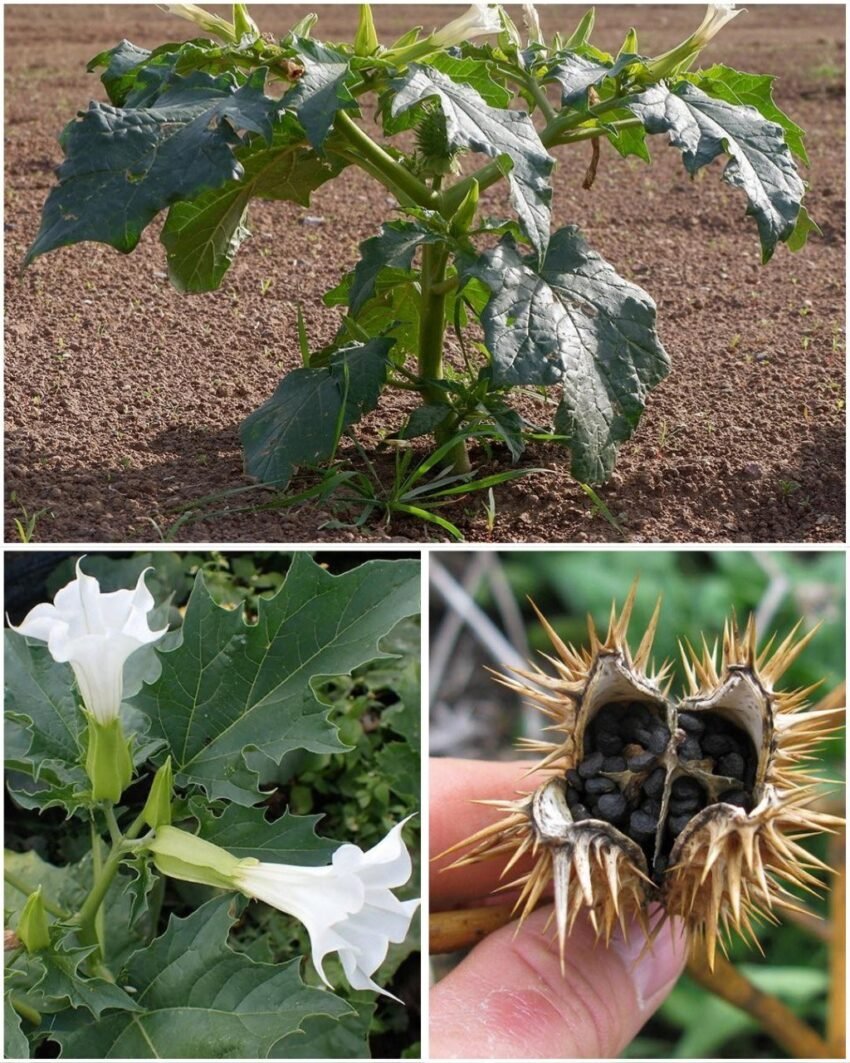
It Grows Everywhere — But This Stunning Plant Hides a Dark and Dangerous Secret
This beautiful, fast-growing plant is common across the U.S., but it hides a serious health risk. Learn how to identify it and stay safe.
It Looks Harmless. Even Beautiful.
Tall. Green. Sometimes crowned with delicate white flowers.
You’ve probably walked past it on hiking trails, near highways, or even in vacant lots around your neighborhood.
It grows aggressively across much of the United States — from the Midwest to the Northeast, along roadsides, fields, and riverbanks.
But this plant, despite its innocent appearance, has earned a dangerous reputation.
Its name? Giant hogweed.
Meet the Plant: Giant Hogweed
Giant hogweed is an invasive species originally introduced from Central Asia as an ornamental plant.
At first glance, it’s impressive:
-
Can grow up to 14 feet tall
-
Large umbrella-shaped white flower clusters
-
Massive leaves up to 5 feet wide
-
Thick, hollow stems with purple blotches
It’s dramatic. Eye-catching. Almost architectural.
And extremely dangerous.
The Dark Secret: Severe Skin Burns
The real danger isn’t from touching the leaves casually.
It’s the sap.
Giant hogweed contains compounds called furanocoumarins. When the sap comes into contact with skin and is then exposed to sunlight, it can cause a reaction known as phytophotodermatitis.
This reaction can lead to:
-
Severe blistering
-
Painful burns
-
Long-lasting scars
-
Skin discoloration
-
Increased sun sensitivity for months
In some cases, the burns resemble second-degree burns.
If sap gets into the eyes, it can even cause temporary or permanent blindness.
This isn’t an exaggeration — health departments across the U.S. issue warnings about it regularly.
Where It Grows in the United States
According to the United States Department of Agriculture, giant hogweed has been identified in multiple states, including:
-
New York
-
Pennsylvania
-
Ohio
-
Michigan
-
Washington
-
Oregon
-
Maine
-
Virginia
It thrives in:
-
Moist soil
-
Riverbanks
-
Roadside ditches
-
Open fields
-
Abandoned lots
Because it spreads quickly and produces thousands of seeds, it can overtake native plants.
Why It Spreads So Easily
Giant hogweed produces:
-
Up to 50,000 seeds per plant
-
Seeds that remain viable in soil for years
-
Deep taproots that make removal difficult
It also has few natural predators in North America.
This combination makes it both environmentally destructive and hazardous to people who unknowingly approach it.
How to Identify Giant Hogweed (Safely)
Correct identification matters, because it resembles other harmless plants.
Key Features:
-
Height: 8–14 feet tall
-
Thick green stems with purple blotches
-
Coarse white hairs on stems
-
Massive jagged leaves
-
Large white umbrella-shaped flower heads (up to 2.5 feet wide)
It’s often confused with:
-
Cow parsnip
-
Queen Anne’s lace
-
Wild parsnip
Misidentification can lead to unnecessary panic — or worse, accidental contact.
If unsure, never touch.
What Happens If You Touch It?
If sap contacts your skin and is exposed to sunlight:
Within 24–48 hours you may develop:
-
Redness
-
Swelling
-
Blistering
-
Burning sensation
The affected area may remain sensitive to sunlight for months.
Immediate steps if exposed:
-
Wash area thoroughly with soap and cool water.
-
Avoid sunlight on the area for at least 48 hours.
-
Seek medical attention if blistering occurs.
-
If sap enters eyes, seek emergency care immediately.
Prompt action reduces severity.
Why Children and Pets Are Especially Vulnerable
Children may be drawn to:
-
Tall plants
-
Hollow stems (which can resemble play “tubes”)
-
Large leaves
Pets can brush against it unknowingly.
Education is critical — especially in areas where the plant is established.
Environmental Impact Beyond Human Health
Beyond the burn risk, giant hogweed:
-
Crowds out native vegetation
-
Increases soil erosion
-
Disrupts wildlife habitats
Because of its invasive nature, many states have monitoring and eradication programs.
Can You Remove It Yourself?
In most cases, removal should be handled by professionals.
Improper removal increases exposure risk.
Protective gear required includes:
-
Waterproof gloves
-
Long sleeves and pants
-
Eye protection
-
Face shield
Some states request residents report sightings rather than attempt removal.
Check your local agricultural extension office before acting.
Pros and Cons of Public Awareness Campaigns
| Pros | Cons |
|---|---|
| Prevents accidental exposure | Risk of misidentifying harmless plants |
| Encourages reporting | Can cause unnecessary alarm |
| Protects children and pets | Social media exaggeration |
Balanced education — not fear — is the goal.
Mini Case Example
A hiker in upstate New York brushed against a tall plant while walking near a riverbank.
Later that afternoon, after sun exposure, painful blisters developed on her forearm.
Health officials confirmed it was giant hogweed exposure.
With medical treatment and sun protection, the burns healed — but scarring remained.
Awareness could have prevented contact.
Frequently Asked Questions
Is giant hogweed deadly?
It is not poisonous if ingested in small amounts, but skin contact can cause severe burns.
Does it grow in all states?
No, but it has spread across multiple northern and coastal states.
Can it spread to my yard?
Yes, if seeds are transported by wind, water, or soil movement.
Is mowing it safe?
Not without full protective gear.
How fast does it grow?
It can reach full height within a single growing season.
Are there look-alikes?
Yes — proper identification is important.
Should I report sightings?
In many states, yes. Contact local agricultural authorities.
Does winter kill it?
The above-ground portion dies back, but roots and seeds survive.
Action Checklist
✔ Learn to identify it accurately
✔ Never touch unknown large plants
✔ Educate children about plant safety
✔ Report sightings to local authorities
✔ Seek medical care if exposed
Not every beautiful plant is harmless.
Giant hogweed is a striking example of how something visually stunning can hide a serious health risk.
The key isn’t fear — it’s awareness.
Learn what it looks like. Avoid contact. Report responsibly.
Because sometimes, the most dangerous things in nature don’t look dangerous at all.
If this article helped you recognize a potential hazard, share it — especially with anyone who enjoys hiking, gardening, or spending time outdoors. Awareness can prevent painful consequences.