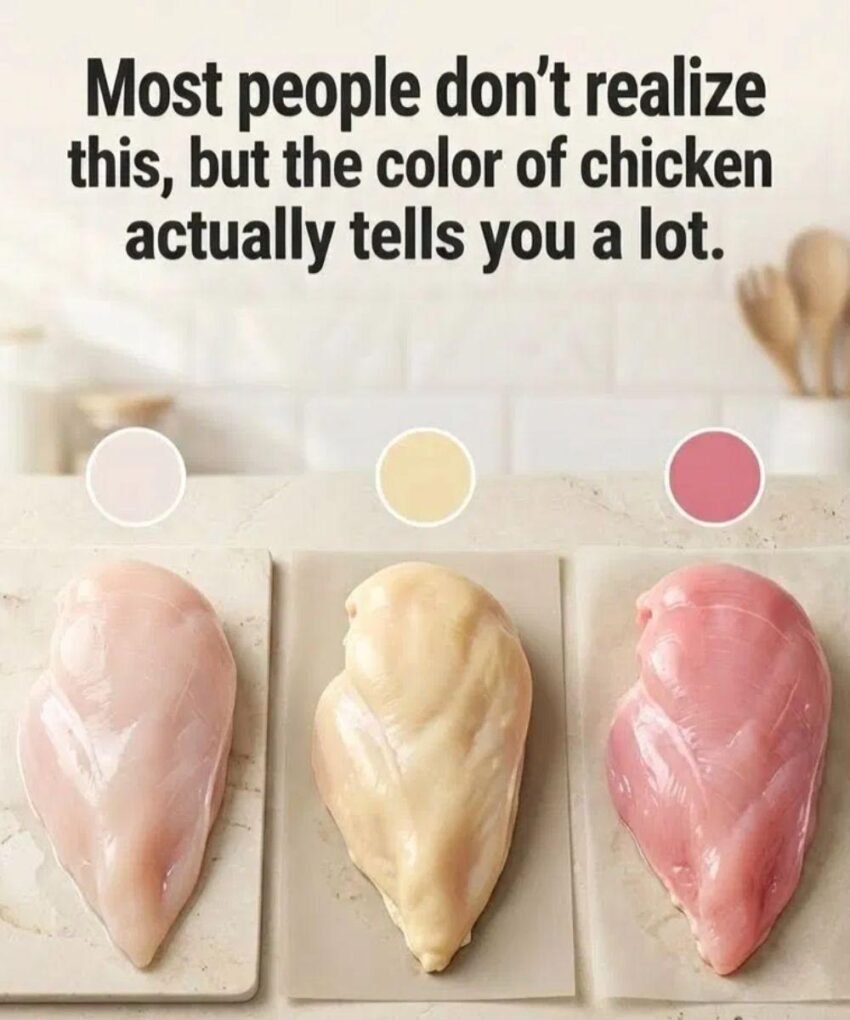
Chicken Color and Quality: What You Need to Know
Discover how chicken color relates to quality, freshness, and safety. Learn expert tips to pick the best chicken every time.
Introduction: Why Chicken Color Matters
It might surprise you, but many consumers still don’t know how chicken color affects quality. Whether buying at the grocery store or ordering from a local butcher, understanding these cues can help you choose healthier, fresher, and tastier meat.
Chicken color isn’t just cosmetic — it’s a signal of freshness, fat content, and how the bird was raised.
1. What Chicken Color Tells You
-
Pink or Light Pink:
-
Typically indicates fresh, healthy meat
-
Common for standard chicken raised conventionally
-
-
Yellowish Skin or Flesh:
-
Often seen in free-range or corn-fed chickens
-
Higher in beta-carotene; some people prefer the flavor and texture
-
-
Gray or Greenish Tint:
-
Can indicate spoilage or poor handling
-
Avoid buying chicken that shows discoloration, especially if accompanied by off smells
-
-
Dark or Red Meat:
-
Usually found in older birds or certain breeds like free-range or organic chickens
-
Has a stronger flavor and higher fat content
-
2. Factors That Influence Chicken Color
-
Diet: Corn or feed rich in pigments can turn skin yellowish.
-
Age: Older chickens tend to have darker meat.
-
Processing and Storage: Oxygen exposure, freezing, or packaging affects flesh color.
-
Breed: Different breeds naturally have slightly different skin and meat tones.
3. How to Use Color to Assess Quality
-
Consistency: Look for uniform color throughout the meat.
-
Texture: Fresh chicken is firm, not slimy.
-
Smell: Slight odor is normal; strong or sour smell is a red flag.
-
Packaging Date: Always check the sell-by or use-by date alongside color.
💡 Tip: Color alone isn’t a guarantee — always combine with smell, texture, and packaging info for best results.
4. Cooking Implications
-
Lighter chicken may cook faster; darker meat often requires slightly longer cooking times.
-
Yellow-skinned chickens may have richer flavor, ideal for roasting or grilling.
-
Avoid grayish meat entirely — it’s a sign it’s no longer safe to eat.
Chicken color is more than a visual cue — it reflects diet, breed, age, and freshness. By paying attention to color along with smell, texture, and packaging, you can:
-
Pick the freshest, safest chicken
-
Enhance flavor in your dishes
-
Avoid spoiled or low-quality meat
Next time you’re buying chicken, remember: color tells a story about what you’re putting on your plate.