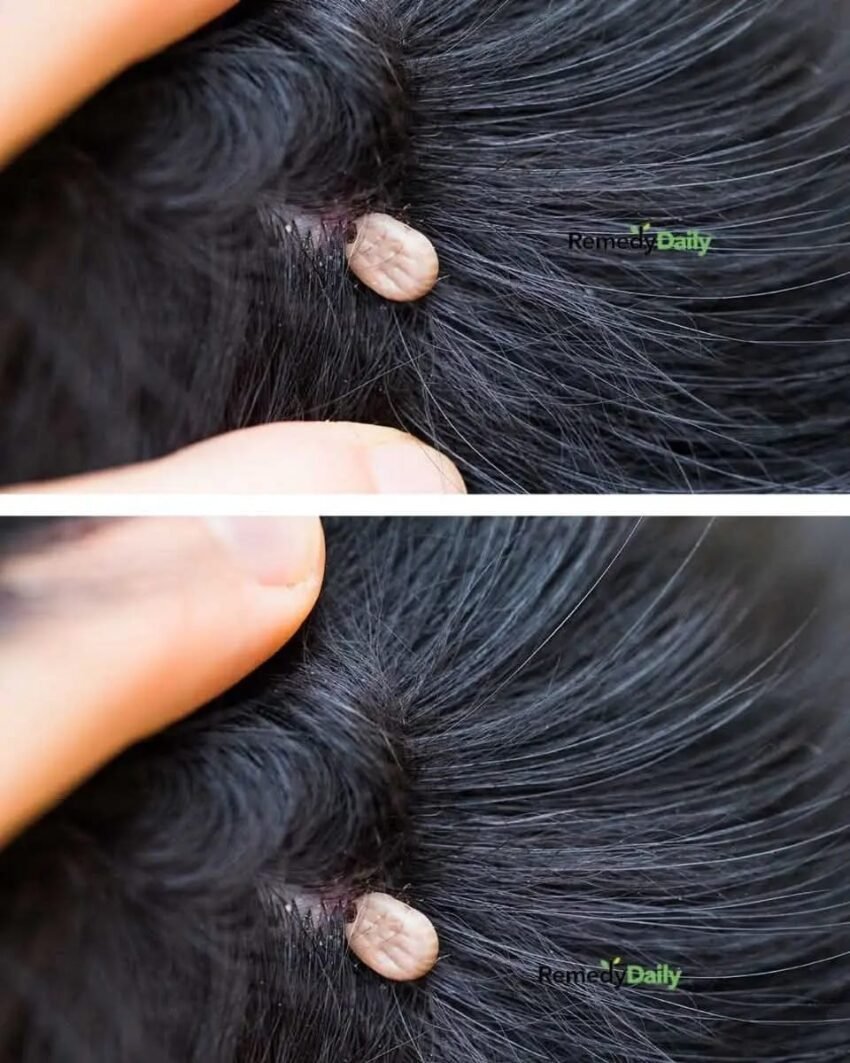
Just Discovered This in My Son’s Hair: Could It Be a Tick? Here’s What to Know
Found something unusual in your child’s hair? Learn how to identify ticks, when to worry, and safe steps to take before seeing a doctor.
The Moment Every Parent Dreads
You were brushing your child’s hair when you noticed a small, dark spot clinging to the scalp. Panic sets in: Is this a tick?
Ticks are tiny arachnids that feed on blood and can carry diseases. While they are more common after outdoor activities, discovering one in your child’s hair can be alarming—even if they seem harmless.
Before rushing to the doctor, it helps to know how to identify a tick, what to do immediately, and when professional care is necessary.
How to Identify a Tick in Hair
Ticks can look like small bumps, seeds, or even freckles on the scalp. Key identification tips include:
-
Size: Usually 1–5 mm when unfed; can swell larger after feeding
-
Shape: Oval or teardrop-shaped, flat before feeding
-
Color: Dark brown, black, or reddish when engorged
-
Attachment: Firmly attached to the scalp, unlike dandruff or lice which move freely
Tip: Ticks do not jump or fly; they crawl from grass, bushes, or pets.
Step 1: Don’t Panic—Check Carefully
-
Part your child’s hair in small sections.
-
Use a fine-tooth comb or tweezers to inspect the scalp, especially behind the ears and at the hairline.
-
Make sure it’s not lice or dried dandruff, which look different and are less firmly attached.
Step 2: Safe Tick Removal
If it is a tick, removing it promptly reduces the risk of disease transmission.
What You Need:
-
Fine-tipped tweezers
-
Gloves (optional but recommended)
-
Antiseptic wipes or soap and water
How to Remove a Tick Safely:
-
Grab the tick as close to the scalp as possible.
-
Pull upward steadily and evenly. Avoid twisting or crushing the tick.
-
Do not use home remedies like petroleum jelly, heat, or nail polish—they can cause the tick to release harmful bacteria.
-
Clean the area with antiseptic or soap and water.
-
Save the tick in a sealed container for identification if needed.
Step 3: Monitor for Symptoms
After removal, watch your child closely for the next few weeks. Seek medical attention if you notice:
-
Rash or red “bullseye” around the bite
-
Fever or chills
-
Headaches or body aches
-
Unusual fatigue or irritability
Ticks can transmit illnesses such as Lyme disease, Rocky Mountain spotted fever, or other tick-borne infections, though most bites do not result in serious illness.
Step 4: Prevent Future Tick Encounters
Prevention is key if your child plays outdoors frequently.
-
Check hair and clothing after outdoor play
-
Keep grass short and avoid tick-prone areas
-
Use child-safe insect repellents approved for kids
-
Shower after outdoor activities to wash off ticks before they attach
When to See a Doctor
You should call or visit your child’s doctor if:
-
You’re unsure whether it’s a tick
-
The tick is deeply embedded or difficult to remove
-
Your child develops any of the symptoms above
-
You need guidance on preventing or treating tick-borne diseases
Early intervention reduces the risk of complications.
Common Mistakes Parents Make
-
Scraping or crushing the tick: This increases infection risk.
-
Waiting too long to remove: The longer a tick feeds, the higher the disease risk.
-
Using home remedies: Substances like oils or heat can make matters worse.
Quick Tick-Check Routine for Kids
-
Inspect hair after outdoor activities.
-
Focus on scalp, behind ears, and neckline.
-
Remove any attached ticks immediately with tweezers.
-
Clean the bite area.
-
Monitor for symptoms over the next 2–3 weeks.
Finding a tick in your child’s hair is scary, but with careful identification and safe removal, most bites do not lead to serious illness.
Prompt action—removing the tick correctly, cleaning the area, and monitoring for symptoms—can prevent complications.
If you’re ever unsure, calling your pediatrician is the safest choice.