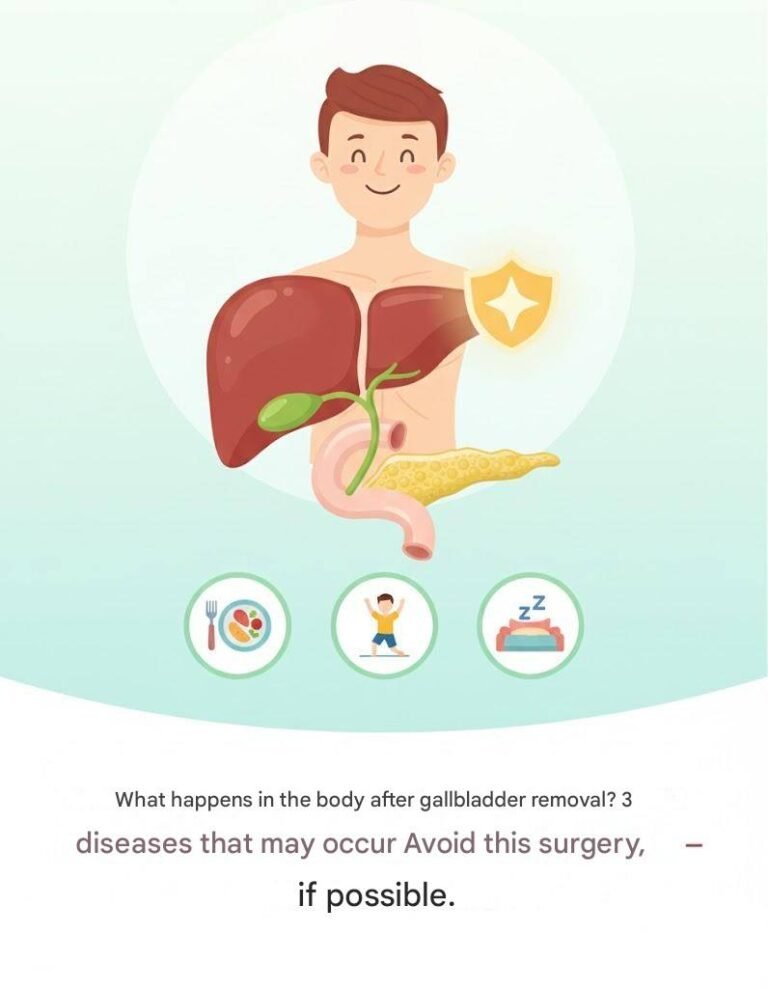
Little-Known Consequences of Gallbladder Removal: 10 Health Effects You Should Be Aware Of
Had your gallbladder removed or considering surgery? Discover 10 lesser-known health effects, digestion changes, and practical recovery tips.
Gallbladder Removal Is Common — But Few People Talk About What Happens After
Every year in the United States, hundreds of thousands of people undergo gallbladder removal surgery (cholecystectomy). It’s often recommended for painful gallstones, inflammation, or repeated attacks that disrupt daily life.
The surgery is routine. Recovery is usually quick. Most people go home the same day.
But what many patients aren’t fully prepared for are the subtle, ongoing changes that can follow — sometimes weeks, months, or even years later.
If you’ve had your gallbladder removed (or are considering it), this guide will help you understand:
-
How digestion changes permanently
-
What symptoms are common vs. concerning
-
Little-discussed long-term effects
-
Practical steps to protect your gut health
-
When to seek medical advice
Let’s start with the basics.
What the Gallbladder Actually Does
The gallbladder is a small pouch located under your liver. Its job is simple but important:
-
Store bile produced by the liver
-
Concentrate that bile
-
Release it in controlled amounts after you eat — especially fatty foods
Bile helps your body digest and absorb fats and fat-soluble vitamins.
When the gallbladder is removed, bile doesn’t stop being produced. The liver still makes it.
The difference?
Instead of being stored and released strategically, bile now drips continuously into your small intestine.
That shift changes digestion in ways many people don’t expect.
1. Chronic Loose Stools (Bile Acid Diarrhea)
One of the most common — and least discussed — effects is persistent loose stools.
Without the gallbladder regulating bile release, excess bile can reach the colon, where it stimulates water secretion.
The result:
-
Urgency after meals
-
Frequent bowel movements
-
Diarrhea, especially after fatty foods
For most people, this improves within weeks. For some, it becomes long-term.
Doctors sometimes refer to this as bile acid malabsorption.
What Helps
-
Smaller, more frequent meals
-
Lower-fat diet
-
Soluble fiber (like psyllium)
-
Prescription bile acid binders (if needed)
2. Fat Digestion Changes
You can still digest fat — but not as efficiently in large amounts.
High-fat meals may cause:
-
Bloating
-
Cramping
-
Nausea
-
Oily stools
Many patients notice they tolerate smaller portions of fat better than large, heavy meals.
This doesn’t mean you must eliminate healthy fats. It means distribution matters.
3. Increased Risk of Bloating and Gas
Because bile flow becomes less coordinated, fat digestion can be incomplete — which may alter gut bacteria activity.
Undigested fat reaching the colon can lead to:
-
Gas production
-
Abdominal discomfort
-
Irregular bowel habits
Gradually reintroducing foods after surgery often reduces these symptoms.
4. Possible Changes in Gut Microbiome
Emerging research suggests bile flow patterns influence gut bacteria.
Continuous bile exposure may:
-
Alter bacterial balance
-
Increase certain bile-tolerant microbes
-
Change digestion dynamics
This area is still being studied, but maintaining fiber intake appears beneficial.
5. Fat-Soluble Vitamin Absorption May Decrease (Rare but Possible)
Vitamins A, D, E, and K require fat for proper absorption.
Most people continue absorbing them normally after surgery.
However, individuals with chronic diarrhea or fat malabsorption may be at risk of lower levels over time.
If symptoms persist, a doctor may test vitamin levels.
6. Increased Risk of Acid Reflux (For Some)
Some people report increased reflux symptoms after gallbladder removal.
Theories suggest:
-
Altered bile flow may affect upper GI motility
-
Bile reflux (different from acid reflux) may occur in rare cases
If heartburn worsens after surgery, evaluation is recommended.
7. Post-Cholecystectomy Syndrome
A small percentage of patients experience persistent symptoms known as post-cholecystectomy syndrome.
Symptoms may include:
-
Abdominal pain
-
Indigestion
-
Nausea
-
Diarrhea
Causes vary and can include:
-
Retained bile duct stones
-
Sphincter of Oddi dysfunction
-
Functional digestive changes
If symptoms don’t improve months after surgery, further testing may be needed.
8. Slightly Increased Risk of Certain Digestive Conditions
Some studies suggest possible long-term associations between gallbladder removal and increased rates of:
-
Irritable bowel syndrome (IBS)
-
Bile reflux gastritis
-
Colon changes related to bile exposure
However, these associations do not mean guaranteed outcomes. Most people do well long-term.
Major organizations such as the Mayo Clinic emphasize that cholecystectomy is generally safe and effective when medically necessary.
9. Weight Changes
Some people lose weight after surgery due to dietary changes.
Others gain weight because they resume high-fat eating once pain is gone.
The surgery itself does not directly cause weight gain.
Long-term habits matter more than organ removal.
10. Psychological Adjustment (Often Overlooked)
Undergoing surgery can affect mental well-being.
Some patients report:
-
Anxiety about food
-
Fear of triggering symptoms
-
Frustration with digestive unpredictability
Education and gradual dietary reintroduction often restore confidence.
Why Gallbladder Removal Is Still Often the Right Choice
Despite potential effects, gallbladder removal remains the standard treatment for:
-
Recurrent gallstones
-
Gallbladder inflammation
-
Obstruction
-
Severe pain attacks
Untreated gallbladder disease can lead to serious complications, including infection or pancreatitis.
When surgery is medically indicated, benefits typically outweigh risks.
Step-by-Step Recovery Strategy
1. Start Low-Fat (Temporarily)
Keep meals light for several weeks post-surgery.
2. Reintroduce Foods Gradually
Add fats back in small amounts to test tolerance.
3. Increase Soluble Fiber
Helps bind excess bile and regulate stool consistency.
4. Eat Smaller Meals
Large, fatty meals overwhelm the new bile flow pattern.
5. Stay Hydrated
Supports digestion and stool consistency.
6. Follow Up With Your Doctor
Persistent symptoms deserve evaluation.
Pros and Cons of Gallbladder Removal
| Pros | Cons |
|---|---|
| Eliminates gallstone pain | Possible digestive changes |
| Prevents future attacks | Risk of diarrhea |
| Minimally invasive surgery | Adjustment period |
| Usually quick recovery | Rare long-term complications |
Mini Case Example
Linda, 47, had recurrent gallstone attacks for two years.
After surgery, her pain resolved completely.
However, she experienced loose stools for three months.
With dietary adjustments and added fiber, symptoms improved.
Today, she eats normally — just avoids very heavy, greasy meals.
Adaptation is common.
Frequently Asked Questions
Can you live normally without a gallbladder?
Yes. Most people do.
How long does diarrhea last?
Often a few weeks, but some experience longer-term changes.
Should I avoid fat forever?
No — but moderation and distribution help.
Can gallstones come back?
Not in the gallbladder (since it’s removed), but stones can rarely form in bile ducts.
Is surgery safe?
It’s one of the most commonly performed abdominal surgeries in the U.S.
Will digestion ever feel normal again?
For most people, yes — though adjustments may be needed.
Should I take digestive enzymes?
Only if recommended by a healthcare provider.
When should I see a doctor post-surgery?
If you have persistent pain, fever, jaundice, or severe diarrhea.
Action Checklist
✔ Follow post-surgery diet guidance
✔ Monitor bowel patterns
✔ Add soluble fiber if needed
✔ Avoid very large fatty meals
✔ Schedule follow-up appointments
✔ Seek evaluation if symptoms persist
Gallbladder removal is common — and often necessary.
For most people, life improves dramatically after painful gallstone attacks stop.
But digestion does change.
Understanding those changes helps you adapt instead of feeling confused or alarmed.
If you’re preparing for surgery, ask questions.
If you’ve already had it and are struggling, know that solutions exist.
Have you noticed digestive changes after gallbladder removal? Sharing your experience may help someone else navigate recovery with more confidence.