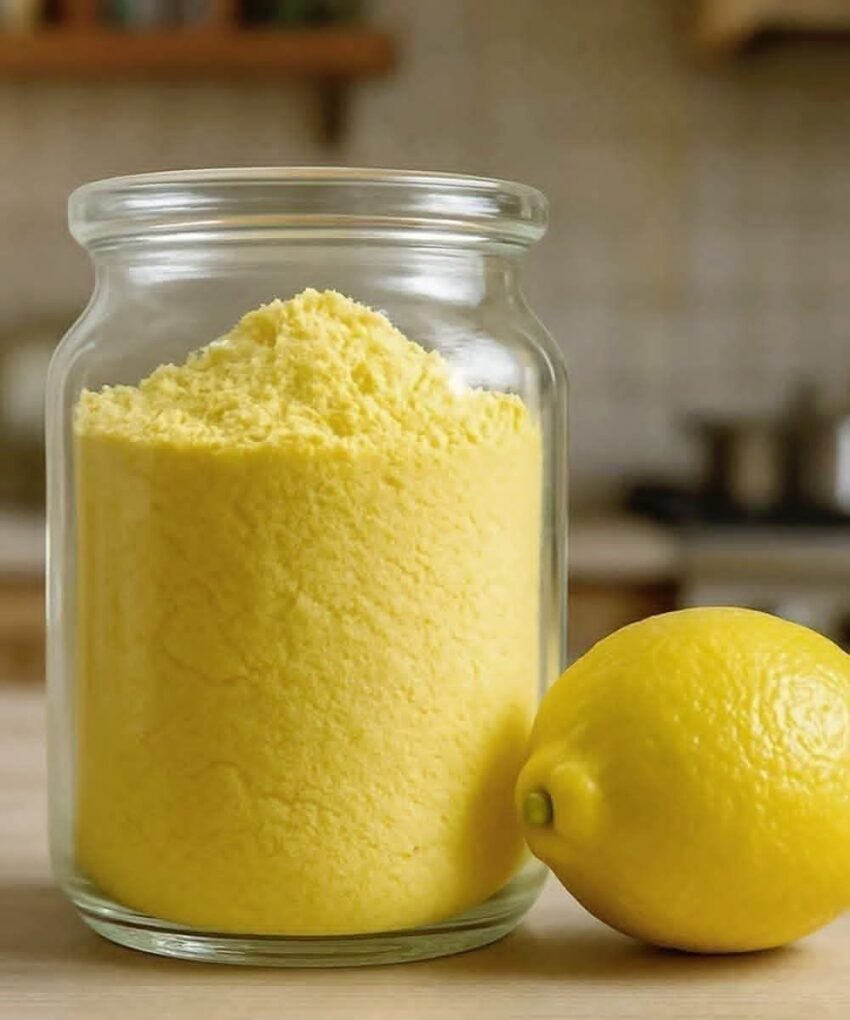
Making Lemon Powder at Home Is Easier Than You Think (And It’s Surprisingly Useful)
Learn how to make lemon powder at home step-by-step, plus storage tips, health benefits, and creative ways to use it every day.
Introduction: Why Turn Lemons Into Powder?
You probably have fresh lemons sitting in your kitchen right now.
But here’s something most people don’t realize:
You can transform simple lemons into a shelf-stable, flavor-packed powder that lasts for months.
No artificial ingredients.
No preservatives.
No waste.
Lemon powder is:
-
Concentrated
-
Easy to store
-
Budget-friendly
-
Extremely versatile
And yes — making it at home is very easy when you follow the right steps.
Let’s walk through everything you need to know.
What Is Lemon Powder?
Lemon powder is made by drying lemon peel (and sometimes the pulp) and grinding it into a fine powder.
It comes from the fruit of the tree Citrus limon.
The peel contains natural oils rich in flavor and antioxidants, making it the most valuable part for powder production.
Why Make It at Home Instead of Buying It?
Store-bought lemon powder may contain:
-
Added sugars
-
Anti-caking agents
-
Artificial flavoring
When you make it yourself, you control:
-
The quality
-
The freshness
-
The purity
Plus, it reduces food waste by using peels that would otherwise be discarded.
Step-by-Step: How to Make Lemon Powder
Step 1: Choose the Right Lemons
Look for:
-
Organic lemons (if possible)
-
Bright yellow skin
-
No soft spots or mold
Since you’ll be using the peel, pesticide exposure matters.
Step 2: Wash Thoroughly
Even organic lemons should be scrubbed under warm water.
You can soak them briefly in:
-
Water + baking soda
or -
Water + vinegar
Then rinse and dry completely.
Step 3: Peel Carefully
Use a vegetable peeler to remove the outer yellow layer.
Avoid too much of the white pith — it can make the powder bitter.
Step 4: Dry the Peels
You have three options:
Option 1: Air Dry
-
Spread peels on a tray
-
Leave in a dry, ventilated space
-
Takes 2–4 days
Option 2: Oven Method
-
Set oven to lowest temperature (around 170°F or lower)
-
Place peels on parchment paper
-
Bake 1–2 hours
-
Check frequently to prevent burning
Option 3: Dehydrator
-
95–115°F
-
6–8 hours
Peels should be completely dry and brittle.
No moisture should remain.
Step 5: Grind Into Powder
Use:
-
A coffee grinder
-
High-speed blender
-
Spice grinder
Blend until fine.
Sift if needed.
Step 6: Store Properly
Store in:
-
Airtight glass jar
-
Cool, dry place
-
Away from sunlight
Properly dried lemon powder can last 6–12 months.
Benefits of Lemon Powder
Let’s be realistic.
It’s not a miracle cure — but it offers practical benefits.
1. Rich in Plant Compounds
Lemon peel contains:
-
Vitamin C
-
Flavonoids
-
Essential oils
These compounds have antioxidant properties.
2. Supports Flavor Without Extra Sodium
Instead of adding salt, you can add lemon powder for bright flavor.
That’s helpful for Americans trying to reduce sodium intake.
3. Convenient for Busy Lifestyles
No squeezing.
No cutting.
No spoilage.
Just sprinkle and go.
Creative Ways to Use Lemon Powder
Here’s where it gets fun.
Morning Drinks
Add ½ teaspoon to warm water.
Smoothies
Boost citrus flavor instantly.
Salad Dressings
Mix with olive oil and herbs.
Seasoning
Sprinkle on:
-
Chicken
-
Fish
-
Roasted vegetables
-
Popcorn
Baking
Enhance muffins or cookies.
Homemade Cleaning Spray
Mix with vinegar for natural surface cleaning.
Common Mistakes to Avoid
❌ Not Drying Fully
Moisture causes mold.
❌ Burning the Peels
Low heat is essential.
❌ Using Wax-Coated Lemons
Some conventional lemons are waxed.
❌ Grinding While Warm
Let peels cool completely first.
Does Lemon Powder Help With Weight Loss?
There’s no direct evidence that lemon powder burns fat.
However:
-
It may help replace sugary flavorings
-
It can make water more enjoyable
-
It supports a lower-sodium diet
Those habits may indirectly support weight management.
Frequently Asked Questions
1. Can I use the whole lemon?
Yes, but the pulp takes longer to dry.
2. Is lemon powder the same as citric acid?
No. Citric acid is a purified compound.
3. How much should I use daily?
Start with ½ to 1 teaspoon.
4. Does drying destroy vitamin C?
Some loss occurs with heat, but beneficial compounds remain.
5. Can kids consume it?
Yes, in small food-based amounts.
6. Can it upset the stomach?
Large amounts may irritate sensitive individuals.
7. Is fresh better than powdered?
Fresh has more vitamin C, but powder offers convenience.
8. Can I mix it with honey?
Yes, it blends well.
Final Thoughts
Making lemon powder at home is:
-
Simple
-
Affordable
-
Low effort
-
High reward
It’s one of those small kitchen habits that saves money, reduces waste, and adds flavor to everyday meals.
Just remember:
Quality lemons.
Proper drying.
Airtight storage.
If you found this guide helpful, share it with someone who loves practical kitchen tips — and let me know if you’d like a similar guide for orange or lime powder next.