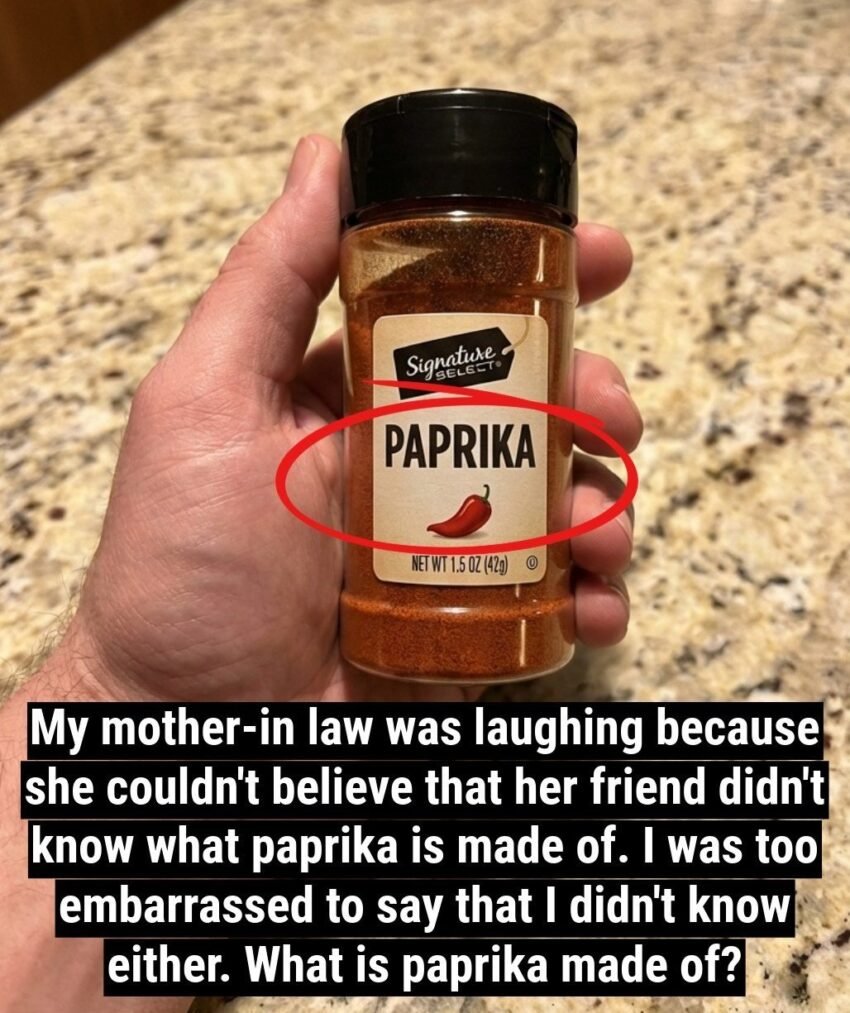
People Apparently Still Don’t Know What Paprika Is Made From
Paprika isn’t just a red spice — it comes from a specific type of pepper. Learn its origins, types, and how it adds flavor and color to dishes.
The Red Spice Everyone Thinks They Know
Paprika is a staple in kitchens across the U.S., appearing in everything from deviled eggs to stews.
Yet surprisingly, many people don’t know its true origin. Some think it’s made from chili powder or a generic spice blend. The reality is simpler — and more interesting.
Paprika is made entirely from ground peppers — nothing else.
What Paprika Really Is
Paprika comes from Capsicum annuum peppers, which are carefully dried and ground.
-
The peppers can be sweet, mild, or hot
-
Color ranges from bright red to deep brick red
-
Flavor can be smoky, sweet, or spicy depending on the variety
Unlike chili powder, which often includes garlic, cumin, or other spices, paprika is pure pepper.
Types of Paprika
1. Sweet Paprika
-
Mild, slightly sweet flavor
-
Common in Hungarian and Spanish cuisine
-
Ideal for seasoning meats, soups, and roasted vegetables
2. Hot Paprika
-
Adds a gentle heat
-
Often used in stews, sauces, and sausages
-
Can vary from mildly spicy to quite hot
3. Smoked Paprika
-
Peppers are smoked before grinding
-
Imparts a rich, smoky flavor
-
Popular in Spanish dishes like chorizo or paella
How Paprika Is Made
-
Harvesting – Fully ripe red peppers are selected
-
Drying – Peppers are dried naturally or over low heat
-
Grinding – Dried peppers are finely ground into powder
-
Packaging – Kept airtight to preserve color and flavor
No additives, artificial coloring, or fillers are necessary — the rich red hue is all natural.
Culinary Uses of Paprika
Paprika isn’t just decorative; it enhances flavor:
-
Seasoning for roasted potatoes or chicken
-
Added to soups, stews, and sauces
-
Garnish for deviled eggs, hummus, and rice dishes
-
Infused in oils or marinades for subtle warmth
Its versatility makes it a pantry essential.
Health Benefits of Paprika
Paprika isn’t just flavorful — it’s nutritious:
-
Rich in vitamin A and antioxidants
-
Supports eye health and immunity
-
Anti-inflammatory properties due to capsaicin in hot varieties
Even small amounts in your dishes can provide health benefits.
Mini Case Example
Chef Maria in Texas always used paprika in her cooking but never realized it was pure ground peppers until visiting a spice market.
-
She switched to high-quality smoked paprika
-
Her roasted vegetables and chili became richer and more aromatic
-
Now she educates her customers about the difference, boosting flavor awareness
Quick Tips for Using Paprika
-
Store in a cool, dark place to preserve color and flavor
-
Avoid heating paprika for too long; it can turn bitter
-
Combine with other spices like garlic, cumin, or black pepper for depth
-
Taste before using — sweet and smoked varieties differ in intensity
Paprika is more than a red garnish — it’s ground peppers with flavor, color, and nutritional benefits.
Key takeaway: Knowing what’s in your spice jar allows you to cook smarter, flavor bolder, and appreciate a kitchen staple that’s both simple and versatile.
Next time you sprinkle paprika, remember: it’s pure pepper magic — nothing more, nothing less.