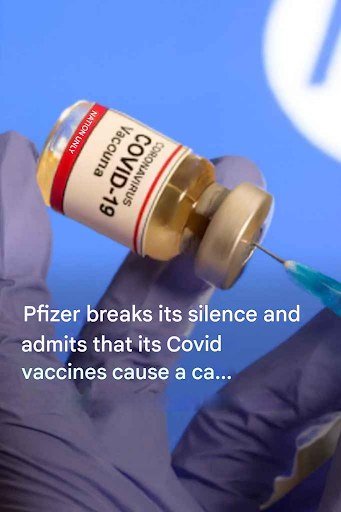
Pfizer COVID-19 Vaccines and Cancer: Separating Fact from Fiction
Concerned about claims linking Pfizer COVID-19 vaccines to cancer? Here’s what the science says, debunks misinformation, and explains vaccine safety clearly.
In recent months, you may have seen alarming posts online: “Pfizer admits its COVID vaccine causes cancer.”
Before panic sets in, let’s be clear: this is false. Pfizer has not admitted that its vaccines cause cancer. Social media has amplified misleading interpretations of studies and misrepresented regulatory documents, but reputable science tells a very different story.
If you’re an American navigating health information online, it’s crucial to understand what the evidence actually says — so you can make informed decisions without fear.
Why These Claims Spread
Misinformation thrives for several reasons:
-
Misinterpreted early research – some lab or animal studies are cited out of context.
-
Fear-driven headlines – sensational claims get more clicks.
-
Scientific complexity – terms like “DNA fragments” or “immune response” get misused, creating confusion.
Health organizations emphasize: correlation is not causation. A study showing an effect in a test tube or a mouse doesn’t mean it happens in humans.
What the Evidence Actually Shows
1. Extensive Safety Monitoring
Pfizer COVID-19 vaccines underwent large clinical trials before approval. Millions of doses have been administered worldwide, with no evidence linking the vaccine to cancer.
The U.S. Centers for Disease Control and Prevention (CDC) and the Food and Drug Administration (FDA) continuously track adverse events. Cancer is not identified as a risk in their reports.
2. Peer-Reviewed Studies
Independent researchers and institutions, including the National Cancer Institute and studies reviewed in journals like The New England Journal of Medicine, have found no causal relationship between COVID vaccines and cancer.
Even small lab studies sometimes cited online do not translate into real-world risk for humans.
3. Misinterpretation of Vaccine Biology
Some posts claim that DNA or mRNA in vaccines could trigger cancer. This is scientifically inaccurate:
-
mRNA vaccines never integrate into your DNA.
-
Any DNA fragments used in manufacturing are removed before the vaccine is distributed.
-
The body breaks down mRNA naturally within hours.
How to Protect Yourself From Misinformation
-
Check official sources: CDC, FDA, Pfizer, and reputable news outlets.
-
Verify claims with fact-checkers: Sites like FactCheck.org, AFP Fact Check, and Snopes.
-
Understand context: Lab studies or preliminary research are not evidence of human harm.
-
Consult healthcare professionals: Talk with your doctor about any concerns.
Real-World Perspective
Hundreds of millions of Americans have received Pfizer vaccines. No credible evidence shows a rise in cancer cases due to vaccination.
Meanwhile, COVID-19 itself carries real risks: hospitalization, long-term complications, and death. Vaccination remains one of the safest, most effective ways to reduce these risks.
Frequently Asked Questions
Q: Did Pfizer ever admit vaccines cause cancer?
A: No. There is no official statement or evidence supporting this.
Q: Can COVID vaccines affect my DNA?
A: No. mRNA vaccines do not alter DNA.
Q: Are there any long-term risks?
A: Known side effects are short-term. Ongoing safety monitoring continues worldwide.
Q: How do I know what’s true online?
A: Cross-reference claims with CDC, FDA, and credible fact-checkers.
Claims that Pfizer COVID-19 vaccines cause cancer are false and misleading.
Vaccines are extensively studied, continuously monitored, and overwhelmingly safe. Don’t let fear-mongering headlines stop you from protecting yourself and your community.
If you found this helpful, share it with friends or family who might be worried about vaccine misinformation. Staying informed is one of the best defenses against fear — and against COVID-19 itself.