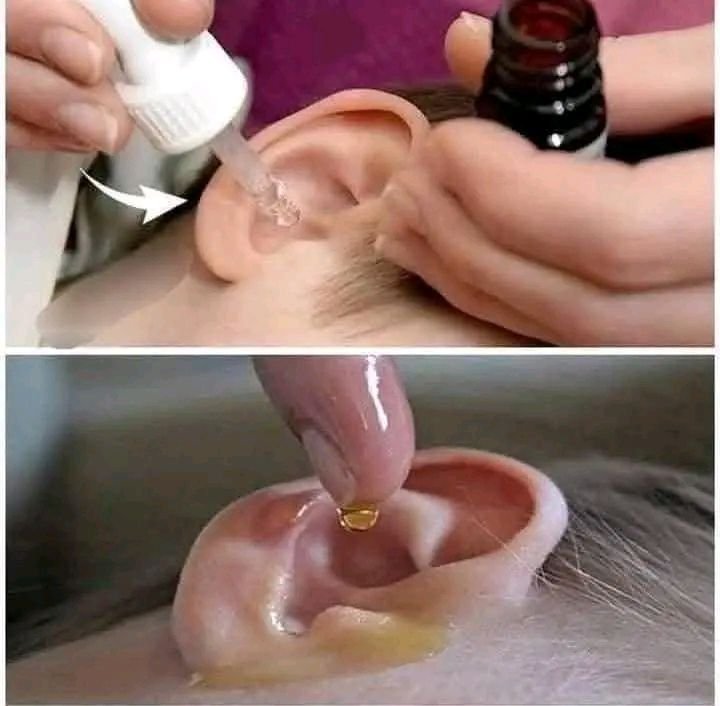
Put 2 Drops in Your Ear — Can It Really Restore Hearing?
Claims about “2 drops to recover hearing” are everywhere online. Here’s what science says, potential risks, and safe ways to protect and support your ears.
Introduction: The Viral Hearing “Miracle”
You’ve probably seen headlines promising:
“Put 2 drops in your ear and you will hear like before!”
It sounds miraculous — especially if you struggle with muffled hearing, ringing, or age-related hearing loss.
But before you reach for any ear drops or DIY remedies, it’s important to separate hype from reality. Hearing restoration is complex, and not all drops are safe or effective.
Why Hearing Loss Happens
Hearing loss can have many causes:
-
Earwax buildup – the most common reversible cause.
-
Age-related hearing loss (presbycusis) – gradual loss of hair cells in the inner ear.
-
Noise exposure – repeated loud sounds damage hair cells.
-
Ear infections – fluid or inflammation can temporarily affect hearing.
-
Medications – certain drugs are ototoxic and can impair hearing.
The American Speech-Language-Hearing Association notes that treatment depends on the underlying cause — there is no universal “hearing recovery drop.”
What the “2 Drops” Claims Usually Involve
Online claims often suggest:
-
Natural oils (e.g., olive oil, garlic oil)
-
Herbal extracts
-
Vitamin-based solutions
Reality Check:
-
Ear drops cannot restore damaged inner ear hair cells, which are the main cause of age-related or noise-induced hearing loss.
-
Only certain drops for earwax removal or infection are effective and safe.
Safe Ear Drop Uses
1. Earwax Removal
-
Over-the-counter ear drops containing carbamide peroxide can soften wax.
-
Follow instructions carefully.
-
Never insert objects (cotton swabs, pins) into the ear canal.
2. Ear Infections
-
Prescription antibiotic or antifungal drops for bacterial or fungal infections.
-
Untreated infections can permanently damage hearing.
Dangerous DIY Drops
-
Essential oils or herbal drops may cause irritation, burns, or allergic reactions.
-
Putting liquids in the ear when you have a perforated eardrum can lead to serious infections.
-
Claims of instant hearing restoration are not supported by medical evidence.
Real Ways to Protect or Improve Hearing
-
Hearing Protection – use earplugs or noise-cancelling headphones in loud environments.
-
Routine Ear Checkups – especially after age 50.
-
Manage Chronic Conditions – diabetes and high blood pressure can affect hearing.
-
Hearing Aids or Cochlear Implants – medically proven options for age-related hearing loss.
-
Healthy Lifestyle – exercise, cardiovascular health, and avoiding smoking support inner ear function.
Common Questions
1. Can any drops restore hearing permanently?
No. Drops can only address earwax or infection-related hearing issues.
2. Is it safe to put oils in my ear?
Not unless recommended by a healthcare provider — risk of irritation or infection is high.
3. How do I know if my hearing loss is reversible?
A hearing test by an audiologist can identify treatable causes.
4. Are there natural ways to protect hearing?
Yes — noise protection, cardiovascular health, and avoiding ototoxic medications.
5. Can sudden hearing loss be treated?
Immediate medical attention is crucial; sometimes steroid treatment can help if given quickly.
There is no magic drop that will instantly restore hearing.
-
Temporary hearing problems from wax or infections can sometimes be treated safely with drops.
-
Permanent hearing loss due to aging, noise, or inner ear damage requires medical evaluation.
-
DIY remedies claiming miraculous recovery are not evidence-based and may be harmful.
Protect your ears, seek professional guidance, and approach viral “hearing miracle” tips with caution.