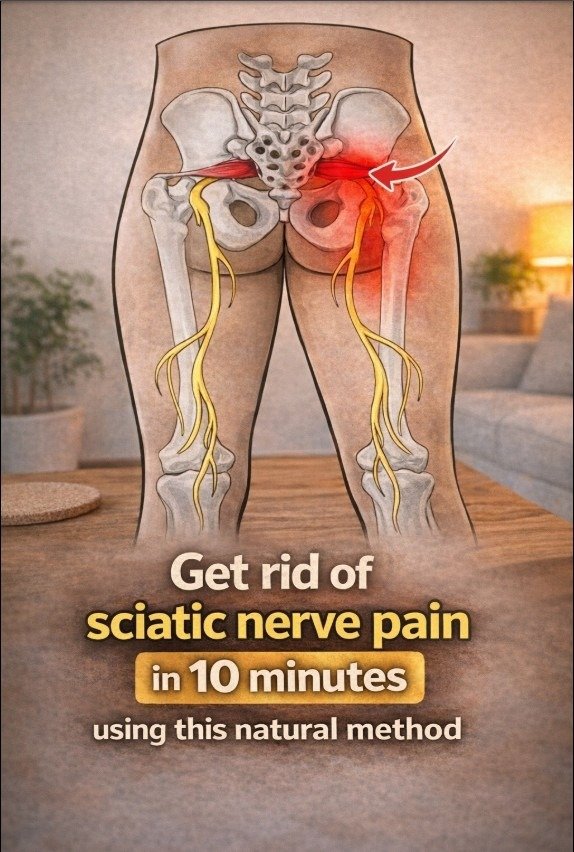
Quick Relief from Sciatica Discomfort: Simple At-Home Stretches and Tips You Can Try Today
Ease sciatica pain fast with simple at-home stretches and practical tips. Discover safe, effective ways to reduce discomfort and move better today.
That Sharp Pain Down Your Leg? You’re Not Alone
It usually starts subtly.
A dull ache in your lower back… then a sudden sharp, shooting pain that travels down your leg. Sitting becomes uncomfortable. Standing too long feels worse. Even sleep gets disrupted.
If this sounds familiar, you may be dealing with sciatica—and it can quickly take over your daily life.
The good news?
You don’t always need complicated treatments to find relief. In many cases, simple, targeted movements and small lifestyle changes can significantly reduce discomfort—sometimes within days.
This guide walks you through safe, effective, at-home strategies that real people use every day to ease sciatica pain and get back to normal life.
What Is Sciatica (And Why Does It Hurt So Much)?
Sciatica isn’t actually a condition—it’s a symptom.
It happens when the sciatic nerve (the longest nerve in your body) gets irritated or compressed.
Common causes include:
-
Herniated or bulging discs
-
Tight muscles (especially the piriformis)
-
Spinal misalignment
-
Prolonged sitting
Typical symptoms:
-
Sharp or burning pain down one leg
-
Tingling or numbness
-
Weakness in the leg or foot
-
Pain that worsens when sitting
Why At-Home Relief Works for Many People
For mild to moderate cases, your body often just needs:
-
Better movement
-
Reduced pressure on the nerve
-
Improved flexibility
That’s where stretching and simple adjustments come in.
5 Simple Stretches That Can Help Relieve Sciatica
These are beginner-friendly and can be done at home—no equipment required.
1. Knee-to-Chest Stretch
What it does: Relieves lower back pressure
How to do it:
-
Lie on your back
-
Pull one knee toward your chest
-
Hold for 20–30 seconds
-
Switch legs
👉 Do 2–3 times per side
2. Piriformis Stretch (The Game Changer)
This targets a muscle that often presses on the sciatic nerve.
Steps:
-
Lie on your back
-
Cross one ankle over the opposite knee
-
Pull the bottom thigh toward your chest
Hold for 20–30 seconds
Tip: This one alone can provide noticeable relief within days.
3. Seated Spinal Twist
Why it helps: Improves spinal mobility and reduces tension
How to do it:
-
Sit upright
-
Twist your torso gently to one side
-
Hold for 15–20 seconds
Repeat both sides
4. Standing Hamstring Stretch
Tight hamstrings often worsen sciatica.
Steps:
-
Place one foot on a low surface
-
Keep your back straight
-
Lean forward slightly
Hold 20 seconds
5. Child’s Pose (Gentle Reset)
A simple yoga stretch that decompresses the spine.
Steps:
-
Kneel and sit back on your heels
-
Stretch arms forward
-
Lower your chest
Hold for 30–60 seconds
Daily Habits That Make a Big Difference
Stretching helps—but your daily routine matters just as much.
1. Fix Your Sitting Posture
-
Keep feet flat on the floor
-
Use lower back support
-
Avoid slouching
Pro tip: Set a timer to stand every 30–45 minutes.
2. Use Heat and Cold Therapy
-
Cold packs: Reduce inflammation (first 48 hours)
-
Heat: Relaxes muscles afterward
3. Walk More (Even If It Feels Counterintuitive)
Gentle walking helps:
-
Improve blood flow
-
Reduce nerve pressure
-
Prevent stiffness
Start with 5–10 minutes and build up gradually.
4. Sleep Smarter
-
Sleep on your side with a pillow between your knees
-
Or on your back with a pillow under your knees
This keeps your spine aligned and reduces pressure.
5. Stay Consistent (This Is the Real Secret)
Most people quit too early.
Relief often comes from doing small things daily—not one big fix.
What to Avoid (This Can Make It Worse)
Many people unknowingly delay their recovery.
Avoid:
-
Sitting for long periods
-
Heavy lifting
-
Sudden twisting movements
-
Complete bed rest (this actually slows recovery)
Real-Life Example
Jessica, a 35-year-old remote worker, developed sciatica after months of long sitting hours.
Instead of jumping straight to medication, she:
-
Added 10 minutes of daily stretching
-
Fixed her desk setup
-
Took short walking breaks
Within two weeks:
-
Her pain reduced significantly
-
She regained normal movement
-
Sleep improved
Consistency—not intensity—made the difference.
When You Should See a Doctor
At-home care works for many—but not all cases.
Seek medical help if:
-
Pain lasts more than a few weeks
-
You experience severe weakness
-
There’s loss of bladder or bowel control
-
Pain becomes unbearable
Pros and Cons of At-Home Sciatica Relief
| Pros | Cons |
|---|---|
| Natural and non-invasive | Requires consistency |
| Low or no cost | Slower than medical intervention |
| Improves overall mobility | Not enough for severe cases |
| Can be done anytime | Easy to do incorrectly |
Expert Tips Most People Don’t Know
-
Nerve flossing exercises can help improve mobility
-
Core strengthening reduces future flare-ups
-
Hydration supports disc health
-
Even stress management plays a role in muscle tension
2026 Insight: Movement Is Medicine
Modern research continues to show that targeted movement beats prolonged rest for back-related pain.
Doctors now encourage:
-
Early activity
-
Gentle stretching
-
Lifestyle-based recovery
This shift has helped many people recover faster—without relying heavily on medication.
Frequently Asked Questions
1. How long does sciatica take to go away?
Most cases improve within a few weeks with proper care.
2. Can stretching make it worse?
If done incorrectly, yes. Always move gently and avoid pain.
3. Is walking good for sciatica?
Yes—short, regular walks are highly beneficial.
4. Should I use heat or ice?
Use ice first, then switch to heat after inflammation reduces.
5. Can sciatica go away on its own?
Yes, many cases resolve without medical treatment.
6. Is bed rest helpful?
No—too much rest can actually worsen symptoms.
7. Can weight affect sciatica?
Yes, excess weight increases pressure on the spine.
8. Are these stretches safe daily?
Yes, if done gently and correctly.
Action Checklist: Start Today
✔ Do 3–5 stretches daily
✔ Fix your sitting posture
✔ Walk at least 10 minutes
✔ Use heat or ice as needed
✔ Avoid long sitting periods
✔ Stay consistent
Conclusion: Relief Starts With Small, Smart Steps
Sciatica can feel overwhelming—but it’s often manageable with the right approach.
You don’t need a complicated routine.
Just a few intentional movements, better habits, and daily consistency can make a real difference.
Start small. Stay consistent. Listen to your body.
Relief from sciatica isn’t about doing more—it’s about doing the right things, every day.
If these tips helped, share your experience—or pass this along to someone who might need relief today.