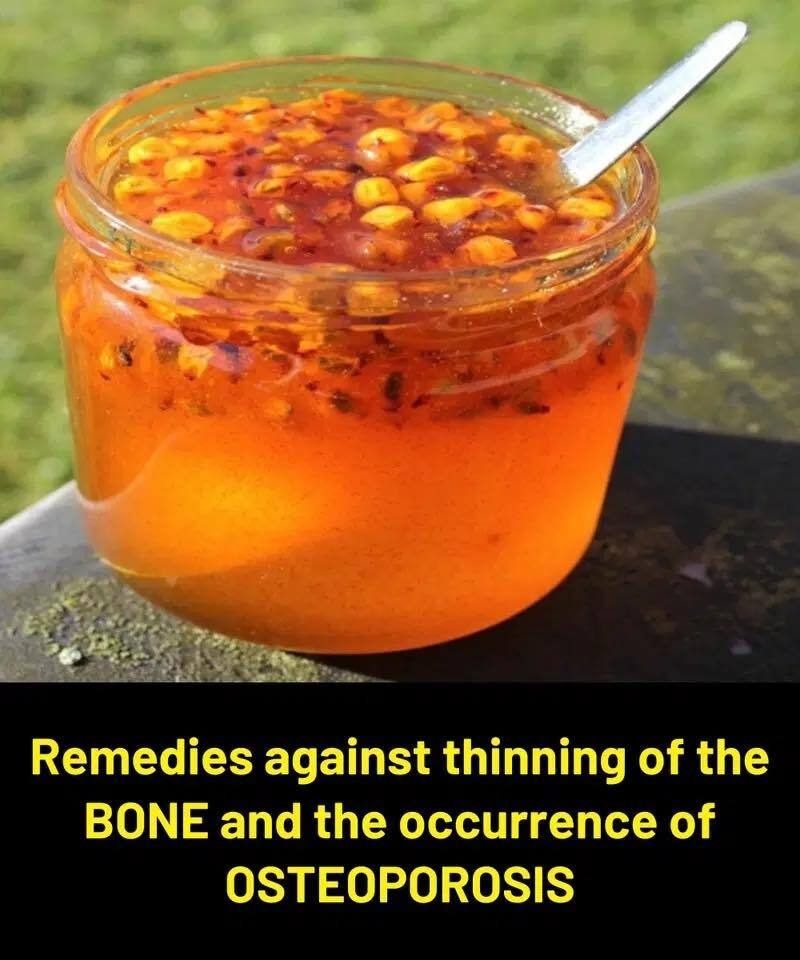
Remedies Against Thinning Bones and Osteoporosis: Strengthen Your Skeleton Naturally
Discover effective ways to prevent bone thinning and reduce the risk of osteoporosis through diet, exercise, supplements, and lifestyle changes.
Understanding Bone Thinning and Osteoporosis
As we age, bones naturally lose density, making them more fragile and prone to fractures. Osteoporosis, a condition marked by weakened bones, affects millions worldwide, especially women after menopause.
Common signs include:
-
Frequent fractures from minor falls
-
Loss of height over time
-
Back pain or stooped posture
Preventing bone thinning is critical to maintaining mobility, independence, and quality of life.
Key Remedies to Strengthen Bones
1. Nutrition: Feed Your Bones
Calcium-Rich Foods
-
Dairy: Milk, yogurt, cheese
-
Leafy greens: Spinach, kale, bok choy
-
Fortified foods: Plant-based milk, cereals
Vitamin D
-
Helps calcium absorption
-
Sources: Sunlight exposure, fatty fish (salmon, mackerel), fortified foods
Protein
-
Supports bone structure and repair
-
Sources: Eggs, legumes, lean meats, tofu
Other Bone-Friendly Nutrients
-
Magnesium: Nuts, seeds, whole grains
-
Vitamin K: Broccoli, cabbage, spinach
-
Omega-3 fatty acids: Flaxseeds, chia seeds, fatty fish
2. Regular Weight-Bearing Exercise
Weight-bearing and resistance exercises stimulate bone formation and slow bone loss:
-
Walking or jogging
-
Stair climbing
-
Dancing or aerobics
-
Strength training with weights or resistance bands
Tip: Aim for at least 30 minutes most days of the week.
3. Lifestyle Adjustments
-
Avoid smoking: Tobacco accelerates bone loss.
-
Limit alcohol: Excess weakens bone structure.
-
Maintain a healthy weight: Both underweight and obesity can affect bone health.
4. Supplements (When Needed)
-
Calcium and Vitamin D supplements may be recommended by doctors if dietary intake is insufficient.
-
Magnesium, Vitamin K2, and collagen supplements can support bone density.
-
Always consult a healthcare provider before starting any supplement regimen.
5. Prevent Falls to Protect Bones
Fractures often result from falls. Reduce risk by:
-
Ensuring good lighting and clear walking paths at home
-
Using supportive footwear
-
Doing balance exercises like Tai Chi or yoga
Real-Life Scenario
Linda, 65, noticed early signs of osteoporosis on a routine scan:
-
She increased her intake of calcium-rich foods and vitamin D
-
Started daily walks and resistance training
-
Avoided smoking and limited alcohol
After a year, her bone density stabilized, and she reported improved strength and balance, reducing fracture risk.
FAQs (People Also Ask)
Q: Can osteoporosis be reversed?
A: Bone loss can’t be completely reversed, but density can be maintained or improved with lifestyle changes and treatment.
Q: How much calcium do adults need?
A: About 1,000–1,200 mg per day, depending on age and gender.
Q: Is sunlight enough for Vitamin D?
A: Sunlight helps, but many adults need supplementation, especially in winter or in areas with limited sunlight.
Q: Are men at risk for osteoporosis?
A: Yes, men over 50 can develop osteoporosis, particularly with low testosterone, poor diet, or sedentary lifestyle.
Q: Can exercise alone prevent bone loss?
A: Exercise is critical but must be combined with nutrition and lifestyle changes for maximum effect.
Preventing bone thinning and osteoporosis requires a multi-faceted approach:
-
Eat calcium- and nutrient-rich foods
-
Get enough Vitamin D
-
Engage in regular weight-bearing exercise
-
Avoid smoking and excess alcohol
-
Consider supplements if necessary
-
Focus on fall prevention
By combining these strategies, you can protect your bones, maintain mobility, and reduce fracture risk for years to come.
Action Step: Start today by including one calcium-rich food in every meal and committing to 20–30 minutes of weight-bearing activity daily. Your bones will thank you.