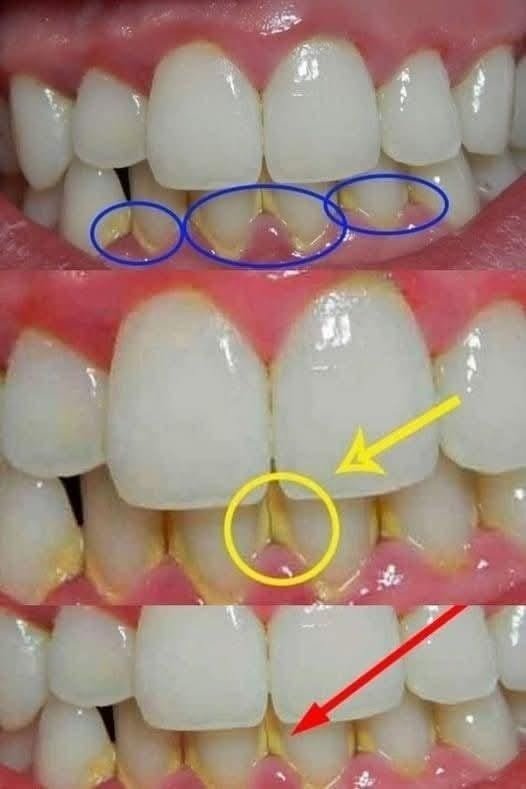
Remove Dental Plaque Naturally in 5 Minutes? Here’s What Actually Works (And What Doesn’t)
Learn what you can realistically remove from your teeth in minutes using natural methods—and how to reduce plaque build-up safely at home.
Introduction: Why So Many People Want a Dentist-Free Fix
Dental visits aren’t cheap.
They aren’t always comfortable.
And for many Americans, they’re easy to postpone.
So when people search for ways to “remove dental plaque naturally in minutes,” they’re usually hoping for one thing:
A fast, simple way to make their teeth feel cleaner and smoother—without pain or appointments.
But here’s the key distinction most articles ignore:
Not all plaque is the same.
And knowing the difference changes everything.
What Dental Plaque Really Is (In Plain English)
There Are Two Forms People Confuse
1. Soft Plaque (Biofilm)
-
Sticky, colorless bacterial layer
-
Forms daily
-
Can be disrupted and removed at home
2. Hardened Plaque (Tartar/Calculus)
-
Mineralized plaque
-
Bonds tightly to teeth
-
Cannot be safely removed at home
Most people feel soft plaque and call it “plaque buildup.”
That’s the part you can address quickly.
What “5 Minutes” Can Realistically Do
In about five focused minutes, you can:
-
Disrupt bacterial biofilm
-
Reduce plaque thickness
-
Improve tooth smoothness
-
Freshen breath
-
Slow future plaque formation
You cannot:
-
Remove tartar
-
Reverse gum disease
-
Replace professional cleanings
This matters for honesty—and results.
The 5-Minute Natural Plaque-Reduction Routine
Step 1: Dry Brushing (30–60 Seconds)
Before using water or toothpaste:
-
Use a soft-bristled toothbrush
-
Gently brush teeth while dry
Why this works:
Dry brushing increases friction against biofilm, loosening plaque before it hardens.
Step 2: Baking Soda Brush (1 Minute)
-
Dip a damp toothbrush lightly into baking soda
-
Brush gently—no pressure
Why baking soda helps:
-
Mildly abrasive (safe when used sparingly)
-
Raises oral pH, discouraging plaque bacteria
-
Helps lift surface stains
⚠️ Use 1–2 times per week, not daily.
Step 3: Oil Pulling (2–3 Minutes)
-
Use 1 teaspoon coconut or sesame oil
-
Swish gently (don’t gargle aggressively)
-
Spit into trash, not sink
What oil pulling actually does:
-
Reduces bacterial load
-
Loosens plaque adhesion
-
Improves breath freshness
This is about bacterial disruption, not detox.
Step 4: Salt or Herbal Rinse (30 Seconds)
-
Warm water + pinch of salt
-
Or herbal tea rinse (clove, green tea)
Benefits:
-
Supports gum comfort
-
Reduces inflammation
-
Washes away loosened debris
Why This Works Best Before Plaque Hardens
Plaque begins to harden into tartar within 24–48 hours.
That’s why:
-
Daily disruption matters more than intensity
-
Gentle consistency beats aggressive scrubbing
Once hardened, scraping at home can damage:
-
Enamel
-
Gums
-
Tooth roots
Common “Natural” Methods That Do More Harm Than Good
❌ Lemon or Vinegar
-
Acid erodes enamel
-
Weakens teeth permanently
❌ Activated Charcoal (Overuse)
-
Highly abrasive
-
Can wear enamel with repeated use
❌ Metal Tools or DIY Scraping
-
High risk of gum injury
-
Can push bacteria deeper
If it hurts or scratches—it’s not helping.
How to Tell If Plaque Is Soft or Hardened
Soft Plaque Feels Like:
-
Fuzzy coating
-
Slippery film
-
Improves after brushing
Hardened Plaque Feels Like:
-
Rough, crusty edges
-
Usually near gum line
-
Doesn’t change with brushing
Only the first responds to home care.
How to Keep Plaque From Coming Back Quickly
Simple Daily Habits That Matter
-
Brush twice daily for 2 minutes
-
Clean between teeth (floss or interdental brushes)
-
Rinse after sugary or starchy foods
-
Stay hydrated
Dry mouth = faster plaque buildup.
Pros and Cons of Natural Plaque Control
Pros
-
Affordable
-
Accessible
-
Gentle when done correctly
-
Supports daily oral hygiene
Cons
-
Doesn’t replace professional care
-
Requires consistency
-
Won’t remove tartar
-
Results are subtle, not dramatic
FAQs: People Also Ask
Can plaque really be removed naturally?
Soft plaque can be disrupted naturally. Hardened tartar cannot.
Is baking soda safe for teeth?
Yes, in moderation—not daily.
Does oil pulling actually work?
It can reduce bacteria and loosen plaque, but it’s not a cure-all.
How fast does plaque harden?
Within 24–48 hours if not disrupted.
Can this replace dental cleanings?
No—but it helps maintain results between visits.
Is plaque the same as tartar?
No. Plaque is soft; tartar is hardened plaque.
Does plaque cause bad breath?
Yes—bacteria in plaque produce odor compounds.
What’s the biggest mistake people make?
Being aggressive instead of consistent.
Conclusion: The Truth Is Better Than the Myth
You can’t erase years of buildup in five minutes.
But you can:
-
Disrupt plaque before it hardens
-
Improve how your teeth feel immediately
-
Slow future buildup naturally
-
Support healthier gums day to day
That’s not a shortcut—it’s smart maintenance.
If this helped clarify what’s realistic:
-
Share it with someone trying to avoid dental misinformation
-
Leave a comment with what’s worked for you
-
Explore more evidence-based oral health guides
The best results don’t come from extremes— they come from small habits done consistently, the right way.