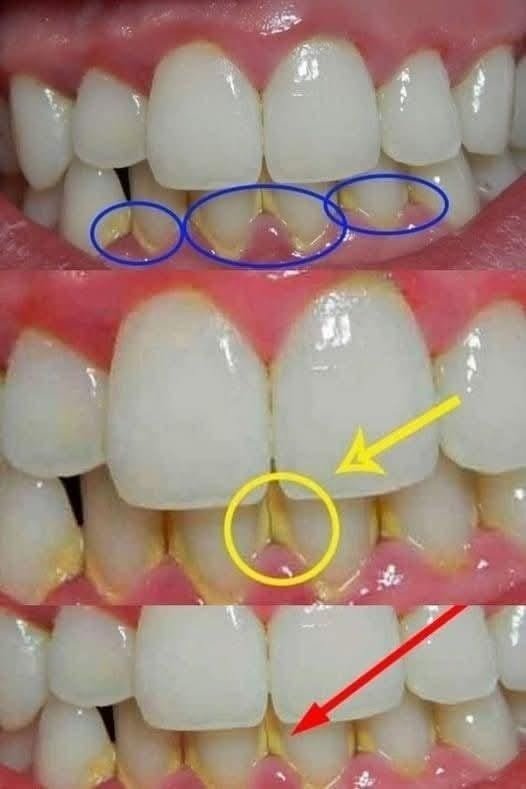
Reduce Dental Plaque Naturally in 5 Minutes a Day (No Dentist Visit Required)
Learn how to naturally reduce dental plaque in just 5 minutes a day using safe, proven habits that protect teeth and gums—no dentist visit required.
Introduction: The Truth About Plaque—and What Most People Get Wrong
If you’ve ever run your tongue across your teeth and felt that fuzzy film, you’ve met dental plaque.
Plaque forms fast—sometimes within hours—and if it isn’t removed, it can harden into tartar, which does require professional cleaning. The internet is full of bold claims promising instant removal, but most skip an important distinction:
👉 Soft plaque can be reduced naturally. Hardened tartar cannot.
The good news? If you act early and consistently, you can dramatically reduce plaque buildup, support gum health, and slow tartar formation in as little as 5 minutes a day—naturally and safely.
This guide explains exactly how.
What Dental Plaque Really Is (Simple Explanation)
Dental plaque is a sticky biofilm of bacteria that forms when food particles mix with saliva.
Plaque vs. Tartar (Critical Difference)
| Plaque | Tartar |
|---|---|
| Soft and removable | Hardened and mineralized |
| Forms daily | Forms over days to weeks |
| Can be reduced at home | Requires professional tools |
Understanding this difference protects you from false promises—and helps you take the right action at the right time.
Why Reducing Plaque Early Matters
Unchecked plaque can contribute to:
-
Gum irritation
-
Bad breath
-
Tooth sensitivity
-
Enamel wear over time
Early removal helps support long-term oral health and reduces the need for more invasive treatment later.
The 5-Minute Natural Plaque-Reduction Routine
This routine focuses on disrupting plaque before it hardens.
Minute 1–2: Proper Brushing (Technique Matters More Than Force)
Use a soft-bristled toothbrush.
Key tips:
-
Hold the brush at a slight angle toward the gums
-
Use gentle, circular motions
-
Focus on the gumline (where plaque loves to hide)
Aggressive brushing can damage enamel—gentle consistency works better.
Minute 3: Baking Soda Boost (Occasional Use)
Baking soda helps neutralize acids created by plaque bacteria.
How to use safely:
-
Sprinkle a small amount onto toothpaste
-
Use no more than 2–3 times per week
This supports plaque disruption without harming enamel.
Minute 4: Oil Swishing (Ancient Practice, Modern Use)
Swishing with oil can help loosen bacteria.
Common options:
-
Coconut oil
-
Sesame oil
Swish gently for about 60 seconds, then spit and rinse.
This does not remove tartar—but it may reduce bacterial load.
Minute 5: Water Rinse or Saltwater Swish
Rinsing helps flush loosened debris.
Saltwater may support:
-
Gum comfort
-
Reduced bacterial activity
This final step completes the routine.
What This Routine Can and Cannot Do
What It Can Do
-
Reduce soft plaque
-
Support gum health
-
Improve breath freshness
-
Slow tartar formation
What It Cannot Do
-
Remove hardened tartar
-
Replace dental cleanings
-
Repair cavities
Honest expectations = better results.
Common Mistakes That Make Plaque Worse
Mistake 1: Scrubbing Too Hard
➡️ Damages enamel and gums.
Mistake 2: Skipping the Gumline
➡️ Plaque accumulates fastest there.
Mistake 3: Believing “Instant Fix” Claims
➡️ Oral health is built with consistency.
Mistake 4: Ignoring Diet
➡️ Frequent sugar feeds plaque bacteria.
Foods That Naturally Support Cleaner Teeth
While no food “cleans” teeth instantly, some help reduce buildup:
-
Crunchy vegetables (stimulate saliva)
-
Apples and celery
-
Cheese (supports enamel balance)
-
Green tea (studied for oral bacteria control)
Hydration also plays a major role.
FAQs: People Also Ask
Can plaque really be removed naturally?
Soft plaque can be reduced; hardened tartar cannot.
How fast does plaque turn into tartar?
Often within 24–72 hours if not disrupted.
Is baking soda safe for teeth?
Yes, in moderation and gentle use.
Does oil swishing replace brushing?
No. It complements brushing, not replaces it.
Can plaque cause bad breath?
Yes, plaque bacteria are a major contributor.
Is flossing necessary?
Yes. Plaque forms between teeth where brushes can’t reach.
Can plaque come back quickly?
Yes—daily habits matter more than occasional deep cleaning.
When should I see a dentist?
If you notice hard buildup, bleeding gums, or pain.
Long-Term Strategy for Plaque Control
The real secret isn’t speed—it’s consistency.
A simple daily routine:
-
Gentle brushing
-
Smart rinsing
-
Mindful eating
-
Regular checkups when needed
This approach protects your teeth without extreme methods.
Conclusion: The Real Power Is Early Action
You can’t erase years of buildup in 5 minutes—but you can protect your teeth every day in just 5 minutes.
By disrupting plaque early and naturally, you support healthier gums, fresher breath, and fewer dental problems over time.
No gimmicks.
No false promises.
Just habits that actually work.
Your Turn
Have you tried any natural oral care routines that worked for you?
Share your experience, pass this guide to someone who might need it, and explore more evidence-based wellness tips to stay informed.