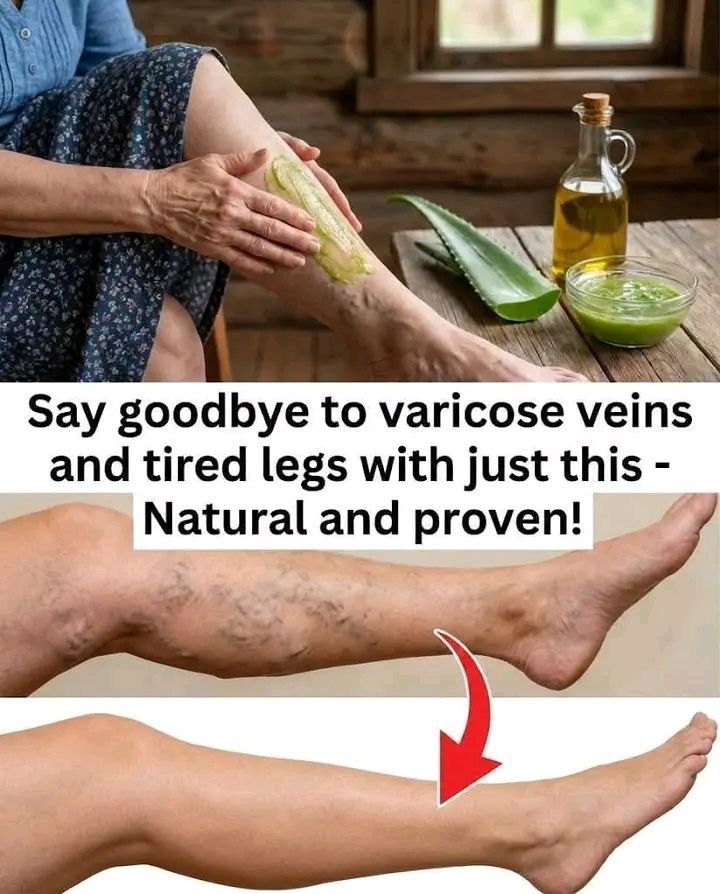
Say Goodbye to Varicose Veins and Heavy Legs? Here’s What Actually Works (and What Doesn’t)
Struggling with varicose veins or heavy legs? Discover proven treatments, natural support options, and what’s truly effective—without risky shortcuts.
Introduction: The Promise That Sounds Too Good to Ignore
You’ve probably seen the claim:
“Say goodbye to varicose veins and heavy legs with just this – very effective!”
It’s tempting.
Varicose veins can be painful, unsightly, and frustrating. Heavy legs at the end of a long workday? Even worse.
In the United States, millions of adults experience venous issues—especially those who:
-
Stand for long hours
-
Sit at desks all day
-
Are pregnant
-
Are overweight
-
Have a family history of vein problems
But here’s the honest truth:
There is no single miracle remedy that instantly erases varicose veins.
However—there are effective, evidence-based ways to improve symptoms and appearance.
This guide explains:
-
What varicose veins really are
-
Why your legs feel heavy
-
What actually works
-
What’s overhyped
-
And practical strategies you can start today
Let’s separate marketing from medicine.
What Are Varicose Veins?
Varicose veins are enlarged, twisted veins that usually appear in the legs.
They’re a form of:
Chronic Venous Insufficiency
They develop when vein valves weaken, allowing blood to pool instead of flowing efficiently back to the heart.
Why Do Legs Feel Heavy?
That heavy, achy feeling happens because:
-
Blood pools in the lower legs
-
Pressure builds in the veins
-
Fluid leaks into surrounding tissue
-
Inflammation increases
Common symptoms include:
-
Swelling
-
Throbbing
-
Burning
-
Itching
-
Night cramps
It’s not just cosmetic—it’s circulatory.
The Truth: Can You “Say Goodbye” Instantly?
No cream, herb, or single supplement can permanently eliminate varicose veins.
However, symptoms can improve significantly with the right approach.
There are three realistic categories of treatment:
-
Lifestyle support
-
Medical-grade interventions
-
Professional vein procedures
Let’s explore each.
What Actually Helps Heavy Legs and Varicose Veins
1. Compression Therapy (Clinically Proven)
Medical compression stockings are one of the most effective first-line treatments.
They:
-
Improve blood flow
-
Reduce swelling
-
Decrease heaviness
-
Slow progression
Graduated compression applies more pressure at the ankle and less higher up.
For many Americans who stand long hours—nurses, teachers, retail workers—this alone can make a noticeable difference.
2. Regular Movement
Sitting or standing for long periods worsens symptoms.
Try:
-
Walking 20–30 minutes daily
-
Calf raises during breaks
-
Leg elevation after work
-
Avoiding crossing legs
The calf muscle acts like a pump for venous return.
Movement is medicine.
3. Weight Management
Excess weight increases pressure on leg veins.
Even modest weight loss may:
-
Reduce symptoms
-
Improve circulation
-
Decrease inflammation
4. Elevating Your Legs
Elevating legs above heart level for 15–20 minutes:
-
Reduces pooling
-
Decreases swelling
-
Improves comfort
Simple, free, and effective.
5. Medical Procedures (When Needed)
If veins are severe, doctors may recommend:
-
Sclerotherapy
-
Endovenous laser treatment
-
Radiofrequency ablation
These minimally invasive procedures close damaged veins.
They are far more effective than topical creams.
What About Natural Remedies?
Some natural options may support circulation—but they are supportive, not curative.
Commonly studied herbs include:
-
Horse chestnut extract
-
Butcher’s broom
-
Diosmin
-
Flavonoids
Horse chestnut has shown modest benefits for leg swelling in clinical studies.
However:
Supplements can interact with medications and should be used under professional guidance.
What Doesn’t Work (Despite Marketing Claims)
Be cautious of products that promise:
-
Permanent vein removal in days
-
“Dissolving” veins naturally
-
Instant reversal
-
No need for compression or procedures
Varicose veins are structural problems.
Creams cannot fix faulty valves inside veins.
Real-Life Scenario
Imagine two people:
Person A:
-
Wears compression stockings
-
Walks daily
-
Elevates legs nightly
-
Maintains healthy weight
Person B:
-
Buys miracle cream
-
Avoids exercise
-
Stands all day without breaks
After six months, Person A will likely experience significant symptom relief.
Consistency beats shortcuts.
When to See a Doctor
Seek medical evaluation if you notice:
-
Persistent swelling
-
Skin discoloration
-
Open sores
-
Sudden leg pain
-
Warmth and redness
These may indicate complications such as blood clots.
One serious condition related to leg circulation is:
Deep Vein Thrombosis
DVT requires immediate medical care.
Never ignore sudden severe symptoms.
Pros and Cons of Treatment Options
| Option | Pros | Cons |
|---|---|---|
| Compression stockings | Non-invasive, affordable | Must be worn daily |
| Exercise | Improves overall health | Requires consistency |
| Supplements | May reduce mild symptoms | Not a cure |
| Laser procedures | Effective long-term | Cost, medical procedure |
| Creams | Easy to apply | Limited evidence |
Common Mistakes People Make
1. Waiting Too Long
Early intervention prevents worsening.
2. Buying Unregulated Supplements
Quality varies widely.
3. Ignoring Lifestyle Factors
No supplement replaces movement.
4. Assuming It’s Only Cosmetic
Untreated venous insufficiency can progress.
Frequently Asked Questions
1. Can varicose veins disappear naturally?
They rarely disappear completely without medical intervention.
2. Do compression stockings really work?
Yes. They are medically recommended and evidence-supported.
3. Is surgery always required?
No. Many cases are managed conservatively.
4. Are varicose veins dangerous?
Often mild, but complications can occur if untreated.
5. Does exercise worsen them?
High-impact exercise may aggravate symptoms, but walking is beneficial.
6. Can diet improve vein health?
A high-fiber, low-sodium diet may reduce swelling and pressure.
7. Do creams help at all?
Some may temporarily reduce discomfort but don’t fix veins.
8. Can sitting too long cause varicose veins?
It contributes to progression in predisposed individuals.
The Bigger Truth: Circulation Is a Daily Habit
The most effective approach combines:
-
Movement
-
Compression
-
Weight management
-
Medical guidance
-
Early treatment
There is no “just this” solution.
But there is a realistic, manageable plan.
Final Thoughts: Effective Means Evidence-Based
It’s understandable to want a fast fix.
But vein health is structural and circulatory—not superficial.
If you want lighter legs and fewer symptoms:
Start with proven steps.
Talk to a vascular specialist if needed.
Invest in habits, not hype.
Your Turn
Have you tried compression therapy or lifestyle changes for heavy legs?
What made the biggest difference?
Share your experience below—and consider passing this article to someone who may be looking for real answers instead of risky shortcuts.
Your legs carry you every day.
They deserve real care—not marketing promises.