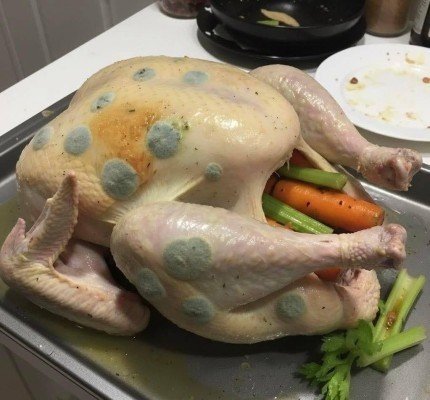
She’s Been Frozen Since 2020… Thawed for a Week… and Baked for 45 Minutes 🥧❄️🔥
The legendary sourdough starter that refuses to quit.
Introduction (Emotional Hook)
We all remember 2020.
The flour shortages.
The endless banana bread.
And the sudden, collective obsession with sourdough.
That’s when I met her.
My sourdough starter.
She bubbled faithfully on my counter for months… until life got busy. I tucked her into the freezer “just for a little while.”
Well.
A little while turned into years.
But last week, on a whim, I pulled that frosty jar from the back of the freezer. She thawed slowly in the fridge for seven days. I fed her patiently. And yesterday?
She rose like she never left.
Forty-five minutes in the oven later, I sliced into a golden, crackling loaf with an open crumb and that familiar tang.
Frozen since 2020.
Resurrected in 2026.
Still magic.
If you’ve got an old sourdough starter hiding somewhere, this blog is your sign.
Why You’ll Love This Recipe
-
🍞 Revives long-frozen sourdough starter
-
⏳ Mostly hands-off fermentation
-
💰 Budget-friendly pantry ingredients
-
🧡 Deep, tangy flavor
-
🌾 Naturally fermented
-
❄️ Great way to avoid food waste
-
🥖 That bakery-style crust at home
It’s nostalgic, resourceful, and wildly satisfying.
Ingredients (With Exact Measurements)
Makes 1 artisan loaf
For Reviving the Starter
-
100 g (½ cup) frozen sourdough starter
-
100 g (½ cup) all-purpose or bread flour
-
100 g (½ cup) filtered water
(Repeat feeding daily for 3–5 days until active.)
For the Bread Dough
-
500 g (4 cups) bread flour
-
350 g (1 ½ cups) warm water (about 80°F / 27°C)
-
100 g (½ cup) active sourdough starter
-
10 g (2 teaspoons) salt
Healthy Substitutes
-
Whole wheat flour: Replace up to 30% of bread flour.
-
Gluten-free flour blends: Requires a GF starter and adjusted hydration.
-
Reduce salt slightly if monitoring sodium.
Nutritional Information (Per Slice – Approximate, 12 slices)
-
Calories: 180 kcal
-
Protein: 6 g
-
Carbohydrates: 36 g
-
Fats: 1 g
-
Fiber: 2 g
Vitamins & Minerals
-
Iron
-
B vitamins
-
Magnesium
Dietary Info
-
❌ Not gluten-free
-
❌ Not keto
-
✅ Vegan
-
✅ Dairy-free
Kitchen Tools Needed
-
Large mixing bowl
-
Digital kitchen scale (highly recommended)
-
Dutch oven or heavy lidded pot
-
Bench scraper
-
Clean kitchen towel
-
Parchment paper
-
Sharp knife or bread lame
Step-by-Step Preparation
Part 1: Reviving the Frozen Starter
Step 1: Thaw Slowly
Place frozen starter in the refrigerator for 24–48 hours.
Then bring to room temperature.
Texture cue: It may look separated or grayish — that’s okay.
Step 2: First Feeding
Discard all but 100 g.
Add:
-
100 g flour
-
100 g water
Stir until smooth.
Cover loosely and let sit at room temperature.
Step 3: Feed Daily
Repeat feeding every 24 hours for 3–5 days.
You’re looking for:
-
Visible bubbles
-
Doubling in size within 4–6 hours
-
Pleasant tangy smell (not rotten)
When she doubles consistently, she’s ready.
Part 2: Making the Bread
Step 4: Mix the Dough
In a large bowl combine:
-
500 g bread flour
-
350 g warm water
Mix until shaggy.
Rest 30 minutes (autolyse step).
Step 5: Add Starter and Salt
Add:
-
100 g active starter
-
10 g salt
Mix thoroughly by hand until incorporated.
Dough will feel sticky — that’s normal.
Step 6: Bulk Fermentation (4–6 Hours)
Let rise at room temperature.
Every 30 minutes for the first 2 hours:
-
Perform stretch and folds (4 rounds total).
Texture cue:
Dough becomes smoother and elastic.
Step 7: Shape
Turn onto lightly floured surface.
Shape into tight round boule.
Let rest 30 minutes.
Step 8: Final Proof
Place in floured proofing basket or bowl.
Cover and refrigerate 8–12 hours.
Cold proofing enhances flavor.
Step 9: Bake (45 Minutes Total)
Preheat oven to 475°F (245°C) with Dutch oven inside for 30 minutes.
Transfer dough onto parchment.
Score top with sharp blade.
Bake:
-
20 minutes covered
-
25 minutes uncovered
Internal temperature should reach 205–210°F (96–99°C).
Crust should be deep golden brown.
Cool completely before slicing (at least 1 hour).
Expert Tips & Mistakes to Avoid
❌ Baking before starter is fully revived
If it doesn’t double reliably, wait another day.
❌ Cutting too soon
Steam needs to settle — slicing early causes gummy texture.
❌ Skipping stretch-and-folds
They build structure without kneading.
Pro Tip
If starter smells strongly like acetone, it’s hungry — feed twice daily temporarily.
Variations & Customizations
🌶 Savory Version
Add:
-
1 tablespoon dried rosemary
-
1 teaspoon cracked black pepper
🥗 Healthier Whole Grain Version
Replace 150 g white flour with whole wheat.
Increase water slightly (10–15 g more).
🧀 Crowd-Pleasing Version
Fold in:
-
1 cup shredded cheddar
-
2 tablespoons chopped jalapeños
Now it’s sandwich heaven.
Storage Instructions
Room Temperature
-
Store wrapped in cloth 2–3 days.
Refrigerator
-
Up to 1 week (may dry slightly).
Freezer
-
Slice and freeze up to 3 months.
Reheating Instructions
-
Toast slices directly from frozen.
-
Or reheat whole loaf at 350°F (175°C) for 10 minutes.
Crust crisps right back up.
Serving Suggestions
-
Thick slices with salted butter
-
Avocado toast
-
Grilled cheese sandwiches
-
Dipped in olive oil & balsamic
-
Alongside soups and stews
Or simply warm, torn by hand, standing at the counter.
FAQs
1. Can starter really survive years frozen?
Yes — if properly stored airtight, many do.
2. What if it doesn’t bubble?
Feed longer. If mold appears, discard.
3. Why refrigerate overnight?
Improves flavor and scoring.
4. Can I skip Dutch oven?
Yes, but crust may be less dramatic. Add steam tray.
5. Why is my bread dense?
Starter likely weak or under-proofed.
6. Can I refreeze starter?
Yes — after feeding and drying slightly.
7. How do I store starter long-term?
Drying is even safer than freezing.
The Real Magic
It’s not just flour and water.
It’s patience.
It’s resilience.
It’s the quiet thrill of watching something come back to life.
She may have been frozen since 2020.
But 45 minutes in the oven proved something beautiful:
Good things — like sourdough — just need time.
Final 🍞
If you revive your long-lost starter, tell me:
How old was it?
Did it bounce back?
What did you bake first?
Leave a comment below and share this with someone who still has a jar tucked in their freezer.
Because sometimes the best recipes are the ones that wait for us.