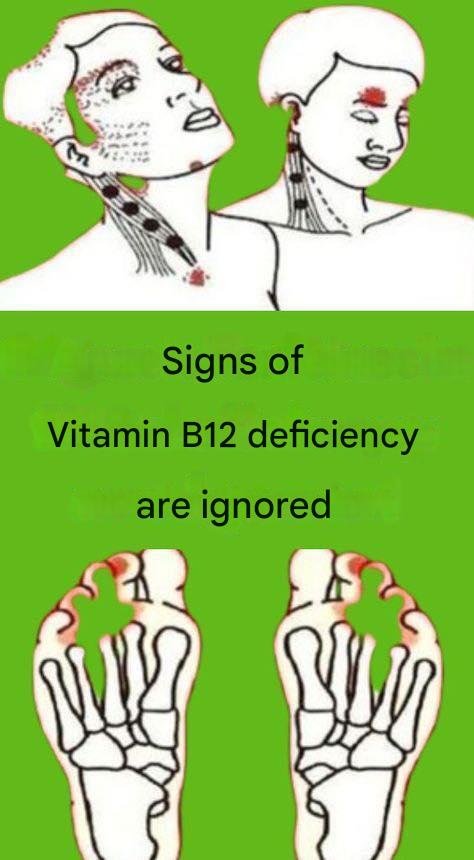
7 Overlooked Signs of Vitamin B12 Deficiency Most People Ignore (Until It Gets Serious)
Fatigue, brain fog, numbness? Discover 7 commonly ignored signs of vitamin B12 deficiency, who’s at risk, and when to seek medical advice.
You’re tired—but everyone’s tired.
You forget words—but stress does that, right?
Your hands tingle sometimes—but you slept on them wrong.
It’s easy to dismiss subtle symptoms.
But vitamin B12 deficiency is one of the most commonly overlooked nutritional issues in the United States—and it often hides in plain sight.
Left unaddressed, it can affect energy, nerve function, and even long-term neurological health.
This guide breaks down the signs people ignore, who’s most at risk, how it’s diagnosed, and what to do next—without hype or fear tactics.
Why Vitamin B12 Matters More Than You Think
Vitamin B12 (cobalamin) plays a critical role in:
-
Red blood cell production
-
DNA synthesis
-
Brain and nerve function
-
Energy metabolism
Unlike some nutrients, B12 deficiency can cause irreversible nerve damage if untreated for too long.
And because symptoms often develop gradually, many people adapt instead of investigate.
7 Signs of Vitamin B12 Deficiency That Often Get Ignored
1. Persistent Fatigue That Sleep Doesn’t Fix
This isn’t just “busy life” tired.
B12 helps produce healthy red blood cells. Without enough, oxygen delivery drops—leading to ongoing exhaustion.
You may notice:
-
Weakness
-
Shortness of breath during mild activity
-
Heavy limbs
People often attribute this to stress or aging.
2. Brain Fog and Memory Lapses
Difficulty concentrating? Losing your train of thought mid-sentence?
Low B12 can affect cognitive clarity.
Research frequently discussed in academic settings like Harvard University highlights the link between B12 levels and neurological function.
Brain-related symptoms may include:
-
Forgetfulness
-
Slower processing speed
-
Difficulty focusing
These are easy to mislabel as burnout.
3. Numbness or Tingling in Hands and Feet
This is a major red flag.
B12 supports nerve insulation (myelin). When levels drop, nerve signals can become impaired.
Symptoms may include:
-
Pins and needles sensation
-
Numb fingertips
-
Burning feeling in feet
Unlike simple circulation issues, B12-related nerve symptoms may persist or gradually worsen.
4. Pale or Slightly Yellow Skin
B12 deficiency can lead to a type of anemia.
Reduced healthy red blood cells may cause:
-
Pale complexion
-
Subtle yellow tint (due to red cell breakdown)
-
Fatigue-related dullness
Many people don’t connect skin tone changes to vitamin status.
5. Mood Changes or Irritability
B12 plays a role in neurotransmitter function.
Low levels may correlate with:
-
Irritability
-
Low mood
-
Increased anxiety
-
Reduced motivation
This doesn’t mean B12 deficiency causes depression directly—but nutrient status can influence mental health.
6. Glossy or Sore Tongue
A smooth, red, swollen tongue—sometimes called “beefy tongue”—is a lesser-known sign.
You may also experience:
-
Mouth ulcers
-
Burning sensation
-
Changes in taste
These symptoms are frequently dismissed as minor oral irritation.
7. Balance Problems
Because B12 affects nerve signaling, deficiency can influence coordination.
Subtle signs include:
-
Feeling unsteady
-
Difficulty walking in a straight line
-
Slight clumsiness
This tends to appear in more advanced deficiency cases.
Who Is Most at Risk in the United States?
Certain groups are more vulnerable.
1. Adults Over 50
Stomach acid decreases with age, reducing B12 absorption.
2. Vegetarians and Vegans
B12 is primarily found in animal products.
3. People Taking Acid-Reducing Medications
Long-term use of proton pump inhibitors may reduce absorption.
4. Individuals With Digestive Conditions
Such as Crohn’s disease or celiac disease.
5. People With Pernicious Anemia
An autoimmune condition that impairs B12 absorption.
According to health information commonly referenced by institutions like Harvard University, mild deficiency may affect a notable portion of older adults in the U.S.
Why These Symptoms Are Often Ignored
There are three main reasons:
1. Symptoms Develop Slowly
Gradual onset makes them feel “normal.”
2. They Overlap With Common Conditions
Stress, aging, lack of sleep—all mimic B12 deficiency.
3. Testing Isn’t Always Routine
Unless anemia is suspected, B12 levels may not be checked.
How Vitamin B12 Deficiency Is Diagnosed
A healthcare provider typically orders:
-
Serum B12 blood test
-
Possibly methylmalonic acid (MMA) levels for confirmation
-
Complete blood count (CBC)
Never self-diagnose based solely on symptoms.
If you suspect deficiency, discuss testing with a licensed healthcare professional.
How It’s Treated
Treatment depends on severity and cause.
Options may include:
-
Oral B12 supplements
-
Sublingual tablets
-
Prescription-strength doses
-
Injections (for absorption disorders)
Many mild deficiencies respond well to supplementation—but medical guidance matters.
Pros and Cons of B12 Supplementation
| Pros | Cons |
|---|---|
| Supports energy production | Unnecessary if levels are normal |
| Helps prevent nerve damage | Excess supplementation without need |
| Widely available | Can mask other deficiencies |
| Generally safe | Requires correct diagnosis |
More is not automatically better.
Common Mistakes People Make
-
Taking high-dose supplements without testing
-
Assuming fatigue equals B12 deficiency
-
Ignoring nerve-related symptoms
-
Delaying medical consultation
-
Relying on energy drinks instead of investigating root cause
Energy drinks mask symptoms. They don’t fix deficiencies.
2025 Health Awareness Trend: Nutrient Testing
In recent years, Americans have shown growing interest in preventative health and personalized lab testing, with trends frequently discussed across digital platforms connected to Google.
While awareness is increasing, professional interpretation remains essential.
Lab values require context.
When to Seek Medical Attention
Consult a healthcare provider if you experience:
-
Persistent numbness or tingling
-
Ongoing unexplained fatigue
-
Cognitive changes
-
Balance issues
-
Pale skin with weakness
Early intervention improves outcomes significantly.
Frequently Asked Questions
1. Can B12 deficiency cause permanent damage?
Yes, if untreated for an extended period—particularly nerve damage.
2. How long does it take to correct deficiency?
It varies. Some symptoms improve within weeks of treatment.
3. Can you get enough B12 from plant foods?
Not naturally. Fortified foods or supplements are often necessary.
4. Is B12 deficiency common?
It’s more common in older adults and those with absorption issues.
5. Can stress cause low B12?
Stress doesn’t directly cause deficiency, but symptoms may overlap.
6. Are injections better than pills?
Depends on absorption ability and medical evaluation.
7. Can I test B12 at home?
Some kits exist, but professional interpretation is important.
8. Is B12 water-soluble?
Yes. Excess amounts are usually excreted, but supplementation should still be appropriate.
9. Can B12 improve energy immediately?
Only if deficiency is present. Otherwise, effects may be minimal.
The Bigger Picture
Vitamin B12 deficiency is rarely dramatic at first.
It whispers before it shouts.
Fatigue.
Fog.
Tingling.
Mood shifts.
These signals are easy to dismiss in a fast-paced culture.
But your body often communicates quietly before problems escalate.
Conclusion: Don’t Ignore the Subtle Signals
Not every symptom points to B12 deficiency.
But persistent, unexplained changes deserve attention.
If something feels off—and it doesn’t resolve—ask questions.
Get tested.
Seek professional guidance.
Small corrections early can prevent bigger issues later.
Vitamin B12 deficiency can cause fatigue, nerve symptoms, mood changes, and cognitive issues—often developing gradually. If you notice persistent symptoms, consult a healthcare provider for proper testing and guidance.
Have you ever checked your B12 levels?
Sometimes clarity starts with a simple conversation with your doctor.