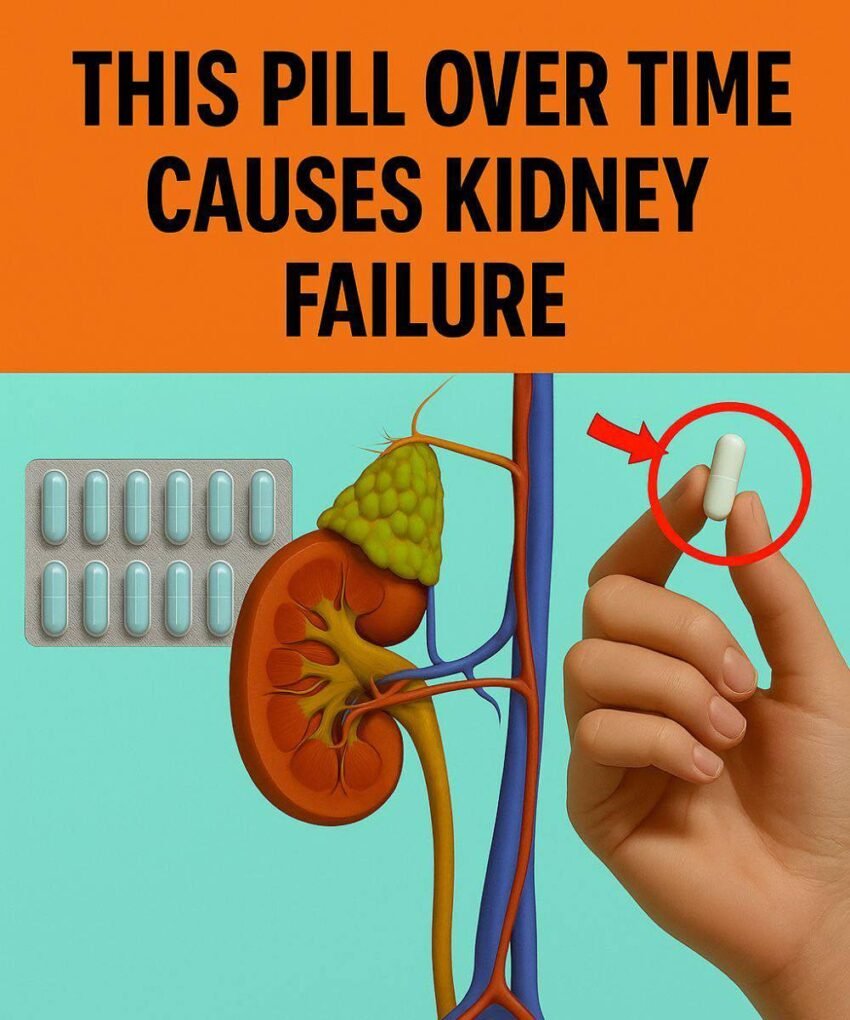
Taking This Could Be Affecting Your Kidneys—Consult Your Doctor!
Certain common supplements or medications may impact kidney health. Learn what to watch for, signs of kidney stress, and when to seek medical advice.
Why Kidney Health Matters
Your kidneys are vital organs that filter waste, balance electrolytes, and regulate blood pressure. Even mild damage can have long-term consequences, often without noticeable symptoms until later stages.
Many people take medications or supplements without realizing they could strain or damage the kidneys over time. Awareness is key to protecting your health.
Common Substances That May Affect the Kidneys
1. Over-the-Counter Pain Relievers
-
NSAIDs like ibuprofen, naproxen, and aspirin
-
Can reduce blood flow to the kidneys when used frequently
-
Risk: Long-term use may lead to chronic kidney disease or acute kidney injury
Tip: Use the lowest effective dose and consult a doctor if you need frequent pain relief.
2. Certain Prescription Medications
-
Some antibiotics (e.g., aminoglycosides)
-
Diuretics and medications for high blood pressure
-
Chemotherapy drugs
Risk: May accumulate in kidneys and affect function if dosage or duration isn’t carefully monitored.
3. High-Protein or Herbal Supplements
-
Excessive protein powders can strain kidneys in people with pre-existing conditions
-
Herbal remedies like aristolochia, some Chinese or Ayurvedic herbs, may be nephrotoxic
Tip: Always verify supplement safety and talk to your healthcare provider before starting new products.
4. High Sodium or Processed Foods
-
Can contribute to high blood pressure, indirectly stressing kidneys
-
Processed snacks, canned soups, and fast food are common culprits
Tip: Balance your diet with whole foods, fruits, vegetables, and moderate sodium intake.
Signs Your Kidneys May Be Under Stress
Kidney damage is often silent, but watch for:
-
Swelling in hands, feet, or around the eyes
-
Fatigue or trouble concentrating
-
Changes in urine color, frequency, or foaming
-
Shortness of breath (from fluid buildup)
-
Persistent nausea or vomiting
If you notice any of these symptoms, consult your doctor immediately. Early detection is critical.
How to Protect Your Kidneys
-
Stay hydrated: Proper water intake supports filtration and flushes toxins.
-
Monitor medication use: Avoid long-term or unnecessary use of nephrotoxic drugs.
-
Eat a kidney-friendly diet: Limit sodium, processed foods, and excess protein if advised by your doctor.
-
Regular check-ups: Routine blood and urine tests can detect kidney stress early.
-
Discuss supplements: Ensure vitamins, herbal products, and over-the-counter drugs are safe for kidney health.
Frequently Asked Questions
Can over-the-counter painkillers harm healthy kidneys?
Occasional use is usually safe, but regular or high-dose use can be risky, especially in older adults.
Are all herbal supplements safe for kidneys?
No—some contain compounds that can be toxic. Always research and consult a doctor.
How often should I check kidney function?
Annually is recommended for adults, or more frequently if you have risk factors like high blood pressure, diabetes, or regular medication use.
Can kidney damage be reversed?
Early-stage kidney stress may be reversible, but chronic damage is often permanent. Early detection is crucial.
What foods help support kidney health?
Fresh fruits, vegetables, whole grains, and moderate protein intake are ideal. Limit processed foods and excess salt.
Many common medications, supplements, and dietary habits can silently affect your kidneys. Consult your doctor if you take any regular medications or supplements, and consider routine testing to catch issues early.
Protecting kidney health today can prevent serious complications in the future.
Leave a comment if you’ve ever experienced kidney-related symptoms or have tips for maintaining healthy kidneys naturally.