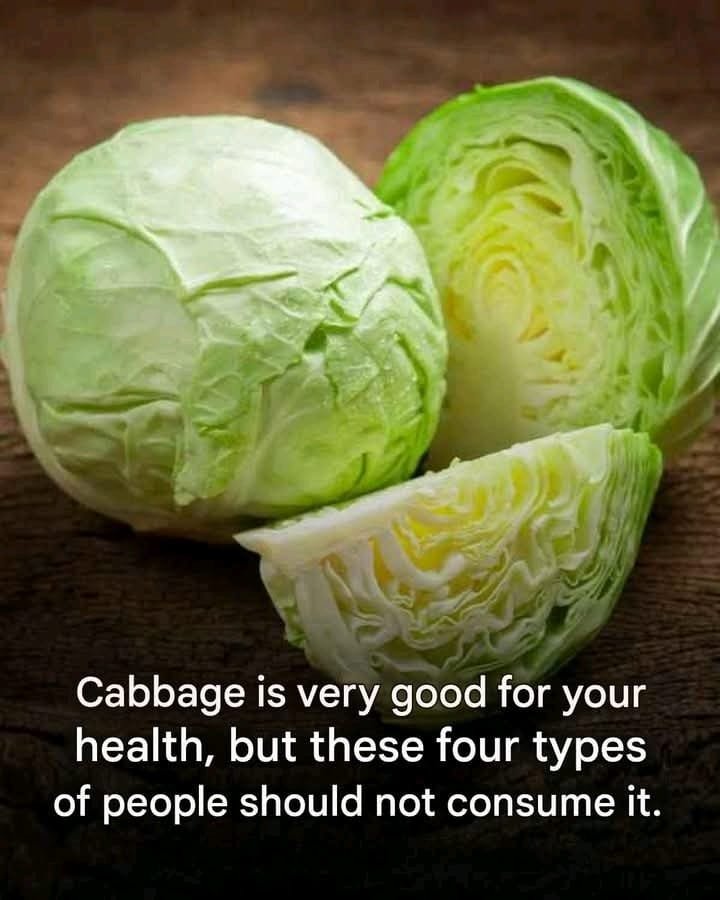
The 4 Types of People Who Should Be Careful With Cabbage
Cabbage is healthy—but not for everyone. Discover 4 types of people who should limit or avoid cabbage and how to eat it safely.
Introduction: A Superfood That Isn’t So Super for Everyone
Cabbage is often praised as a nutritional powerhouse—low in calories, high in fiber, and packed with vitamins. It shows up in salads, soups, slaws, and fermented foods across American kitchens.
But here’s the part many wellness articles skip:
👉 Cabbage doesn’t agree with everyone.
For certain people, eating cabbage—especially raw or in large amounts—can trigger discomfort or worsen existing issues. This doesn’t mean cabbage is “bad.” It means your body context matters.
Below are four types of people who should be cautious with cabbage, why it can be a problem, and what to do instead.
Why Cabbage Can Cause Problems for Some People
Cabbage contains:
-
Tough-to-digest fibers
-
Natural sulfur compounds
-
Fermentable carbohydrates
-
Compounds that can affect digestion and hormone balance in specific situations
For most people, these are beneficial. For others, they can backfire.
1. People With Sensitive Digestion or Frequent Bloating
Why cabbage can be an issue
Cabbage is rich in fermentable fibers. In sensitive digestive systems, these fibers can ferment too quickly in the gut.
This may lead to:
-
Bloating
-
Gas
-
Abdominal discomfort
-
Cramping
Raw cabbage is especially challenging to digest.
Real-life example
Someone eats a “healthy” raw cabbage salad and spends the rest of the day feeling uncomfortably full and gassy.
What helps
-
Choose cooked cabbage instead of raw
-
Eat smaller portions
-
Combine with easy-to-digest foods
Cooking breaks down fibers and often makes cabbage much gentler.
2. People With Thyroid Sensitivity
Why this matters
Cabbage belongs to a group of vegetables that naturally contain compounds that can interfere with iodine use when eaten in very large amounts, especially raw.
For most people, this is not an issue.
For people with existing thyroid concerns, it can matter.
When cabbage may be a concern
-
Large daily portions
-
Mostly raw intake
-
Low overall iodine intake
What helps
-
Cook cabbage instead of eating it raw
-
Rotate vegetables instead of eating cabbage daily
-
Ensure adequate iodine intake through diet
Moderation—not elimination—is usually the key.
3. People With Certain Digestive Conditions
Some digestive conditions make high-fiber or fermentable foods harder to tolerate.
Cabbage may worsen symptoms for people who experience:
-
Frequent digestive flare-ups
-
Intestinal sensitivity
-
Difficulty breaking down fibrous vegetables
Common experiences
-
Pain shortly after eating
-
Increased gas pressure
-
Feeling “heavy” or uncomfortable
What helps
-
Introduce cabbage slowly, if at all
-
Prefer well-cooked forms
-
Stop eating it if symptoms consistently appear
Listening to your body is more useful than forcing a “healthy” food.
4. People Prone to Acid Reflux or Heartburn
This one surprises many people.
While cabbage juice is sometimes discussed online, whole cabbage—especially raw—can trigger reflux in some individuals.
Why
-
Gas production increases abdominal pressure
-
Pressure can worsen reflux symptoms
-
Raw cabbage sits longer in the stomach
Signs cabbage may not agree with you
-
Burning sensation after meals
-
Chest discomfort
-
Regurgitation or sour taste
What helps
-
Avoid raw cabbage if reflux-prone
-
Eat smaller portions
-
Pair with gentle, low-acid foods
What These Warnings Do Not Mean
Let’s be clear and responsible.
❌ This does NOT mean cabbage is unhealthy
❌ This does NOT mean you should fear it
❌ This does NOT apply to everyone
Cabbage is nutritious—but nutrition is individual.
Common Mistakes People Make With Cabbage
Mistake 1: Eating It Raw Because It’s “Healthier”
➡️ Raw isn’t always better for digestion.
Mistake 2: Overeating One Vegetable
➡️ Variety protects your gut.
Mistake 3: Ignoring Repeated Discomfort
➡️ Symptoms are information, not weakness.
Mistake 4: Forcing Foods That Don’t Agree With You
➡️ Health should feel supportive, not painful.
How to Eat Cabbage More Safely (If You’re Sensitive)
If you enjoy cabbage but notice issues, try this:
-
Cook it thoroughly
-
Eat smaller portions
-
Combine with protein and healthy fats
-
Avoid eating it late at night
-
Rotate with other vegetables
Fermented cabbage (like sauerkraut) may be easier for some people—but not all.
FAQs: People Also Ask About Cabbage
Is cabbage bad for digestion?
Not for everyone, but it can be hard to digest for some.
Is cooked cabbage better than raw?
Yes, for many people with sensitive digestion.
Can cabbage affect hormones?
Only in very specific contexts and large amounts.
Should I avoid cabbage completely if it bothers me?
You may not need to avoid it forever—just adjust form and portion.
Is fermented cabbage easier to digest?
Sometimes, but not universally.
Does cabbage cause gas?
Yes, it can—especially raw.
Is cabbage safe to eat daily?
For most people, yes—in moderation and variety.
When should I stop eating cabbage?
If it consistently causes discomfort or symptoms.
Why This Matters More Than “Healthy vs. Unhealthy”
Nutrition isn’t about ranking foods as good or bad.
It’s about:
-
Compatibility
-
Tolerance
-
Context
-
Balance
A food can be healthy and still not be right for you.
Conclusion: The Best Diet Is the One Your Body Handles Well
Cabbage is nutritious, affordable, and widely available—but it’s not a universal fit.
If you fall into one of these four groups, being cautious with cabbage isn’t a failure. It’s self-awareness.
Health isn’t about forcing superfoods.
It’s about choosing foods that help you feel your best—consistently.
Your Turn
Have you ever noticed cabbage bothering your digestion—or helping it?
Share your experience in the comments, send this to someone who thinks “healthy food should never cause problems,” or explore more realistic nutrition insights that respect individual differences. 🥬