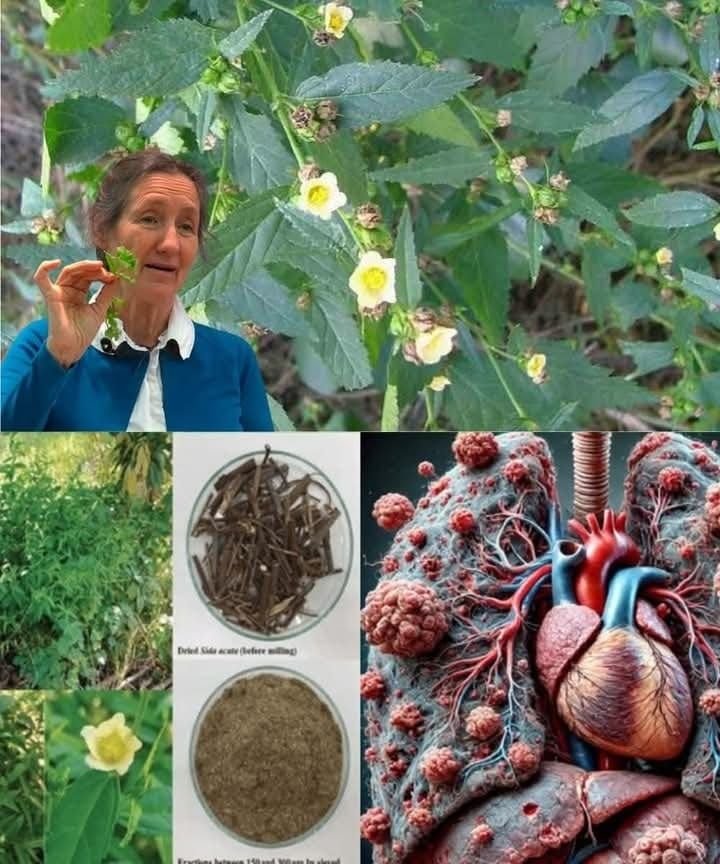
The Hidden Power of Stubborn Grass: The Unpretentious Wonder of Nature
Discover the surprising strength and resilience of stubborn grass. Learn why this humble plant plays a powerful role in ecosystems, soil health, and everyday life.
The Plant Most People Overlook
It grows in cracks in the sidewalk.
It survives drought, trampling feet, lawnmowers, and scorching sun.
Yet despite all the abuse it takes, it keeps coming back.
We walk on it, mow it, and often try to remove it from places where it “doesn’t belong.” Still, stubborn grass finds a way to grow again.
What many people don’t realize is that this ordinary plant is one of nature’s most resilient and valuable life forms.
Beneath its simple appearance lies an incredible survival system that supports ecosystems, protects soil, and even helps stabilize the climate.
In this article, we’ll explore:
-
Why stubborn grass is so resilient
-
The hidden biology that makes it survive almost anywhere
-
Its crucial role in ecosystems
-
Why scientists and environmentalists study grasses closely
-
Lessons humans can learn from this quiet symbol of persistence
Why Grass Is One of the Toughest Plants on Earth
Grass belongs to one of the most widespread plant families on the planet.
You’ll find it growing in:
-
city sidewalks
-
open prairies
-
deserts
-
mountain slopes
-
coastal dunes
The reason grass survives where other plants fail lies in its unique growth strategy.
Growth From the Base
Unlike many plants that grow from their tips, grass grows from the base of the blade.
This means when the top is cut—by animals, lawnmowers, or weather—it simply regrows from the bottom.
This adaptation makes grass extremely resilient.
Flexible Leaves
Grass blades are flexible rather than rigid.
When stepped on, they bend instead of breaking. Once the pressure disappears, they return upright.
This simple flexibility allows grass to survive constant disturbance.
The Secret Underground Network
What we see above ground is only part of the story.
Beneath the surface lies a complex network of roots.
These root systems:
-
anchor soil
-
absorb water
-
store nutrients
-
support regrowth after damage
Some grasses spread through underground stems called rhizomes, allowing them to grow outward and colonize new areas.
Others use runners, or stolons, which travel across the surface and form new plants.
Together, these systems create dense, interconnected communities of plants.
Grass: A Foundation of Global Ecosystems
Though small, grass plays an enormous role in supporting life on Earth.
Grasslands cover nearly one-third of the planet’s land surface.
These ecosystems support countless species, including:
-
grazing animals
-
insects
-
birds
-
soil microbes
Large herbivores—from bison to antelope—depend on grasses as their primary food source.
Even humans rely on grasses more than many people realize.
Grass Is Behind Many of the Foods We Eat
Several staple crops actually belong to the grass family.
These include:
-
wheat
-
rice
-
corn
-
barley
-
oats
These plants form the foundation of the global food system.
In fact, many everyday foods—from bread to pasta to breakfast cereal—originated from grasses.
Without them, modern civilization would look very different.
Grass Protects the Soil Beneath Our Feet
One of grass’s most important environmental roles is preventing soil erosion.
Its dense root systems hold soil in place, especially during:
-
heavy rainfall
-
flooding
-
strong winds
Without vegetation, soil can wash away quickly, damaging ecosystems and agricultural land.
Grass acts as a natural protective blanket over the earth.
This function is especially important in regions where soil stability is critical.
Grass Helps Manage Water
Grasslands play a major role in regulating water cycles.
Their root systems allow rainwater to:
-
soak into the ground
-
replenish groundwater supplies
-
reduce surface runoff
This helps prevent flooding and supports healthier landscapes.
Urban planners often use grass and similar vegetation in green infrastructure projects designed to improve stormwater management.
Grass and Climate Balance
Grasslands also contribute to climate stability.
Plants absorb carbon dioxide during photosynthesis.
Much of this carbon becomes stored in the soil through root systems.
Healthy grasslands can act as long-term carbon storage systems, helping regulate greenhouse gases in the atmosphere.
Scientists are increasingly studying grassland ecosystems for their role in climate solutions.
Lessons From Stubborn Grass
There’s a reason stubborn grass often becomes a symbol in poetry and philosophy.
Its quiet resilience offers powerful lessons.
Adaptability
Grass grows almost anywhere because it adapts to changing conditions.
Persistence
Even when cut down repeatedly, it regrows.
Strength Through Simplicity
Grass doesn’t rely on elaborate structures or dramatic growth. Its strength comes from simple, effective design.
These traits mirror qualities many people strive for in their own lives.
A Real-World Example of Resilience
Imagine a small crack in a concrete sidewalk.
At first, it looks insignificant.
Then one day, a thin green blade appears.
Over time, that blade becomes several. The crack widens slightly as roots push deeper into the soil below.
Despite limited space, heat, and constant foot traffic, the grass survives.
This small moment illustrates something remarkable:
Life constantly finds ways to endure.
Why Grass Thrives Where Other Plants Fail
Several biological advantages make grass especially tough.
Rapid Regrowth
Grass can regrow quickly after being grazed or cut.
Efficient Water Use
Many grasses have evolved to survive periods of drought.
Wide Temperature Tolerance
Different species thrive in both cold and hot climates.
Dense Root Systems
These allow grass to compete effectively for nutrients and water.
Together, these adaptations make grasses incredibly successful across diverse environments.
Pros and Cons of Grass in Human Landscapes
While grass offers many benefits, it also raises interesting discussions about land use.
Benefits
-
stabilizes soil
-
improves air quality
-
provides habitat for wildlife
-
supports food systems
Challenges
-
large lawns can require water and maintenance
-
some grass species become invasive in certain regions
-
urban landscapes sometimes prioritize lawns over biodiversity
Balancing these factors is part of modern environmental planning.
Common Misconceptions About Grass
Myth: Grass Is Just a Simple Weed
Many grasses are highly specialized plants with sophisticated survival strategies.
Myth: Grasslands Are Empty Ecosystems
In reality, grasslands support rich biodiversity both above and below ground.
Myth: Grass Has Little Environmental Value
Grass plays a crucial role in soil health, water management, and climate balance.
Expert Insights on Grasslands
Ecologists often describe grasslands as underrated ecosystems.
Unlike forests, which are visually dramatic, grasslands may appear simple from a distance.
But beneath the surface lies extraordinary biological activity involving:
-
microbes
-
insects
-
root systems
-
nutrient cycles
These hidden processes sustain entire ecological networks.
Frequently Asked Questions
Why does grass grow so easily?
Grass has evolved growth strategies that allow rapid regrowth and adaptability to different conditions.
Why does grass grow through concrete?
Small cracks allow roots to reach soil and moisture, enabling growth even in tough environments.
Are all grasses the same?
No. There are thousands of grass species with different characteristics and ecological roles.
Why do lawns grow back after mowing?
Grass grows from the base of the blade rather than the tip, allowing it to recover quickly.
Do grasslands support wildlife?
Yes. Many species depend on grassland ecosystems for food and habitat.
Is grass important for agriculture?
Absolutely. Many staple crops—including wheat, rice, and corn—belong to the grass family.
How does grass prevent erosion?
Its roots hold soil together, reducing the impact of wind and water.
Can grass help fight climate change?
Healthy grasslands can store carbon in soil, contributing to climate stability.
Action Checklist: Appreciating and Protecting Grasslands
✔ Support local parks and green spaces
✔ Learn about native grass species in your region
✔ Reduce unnecessary lawn chemicals
✔ Encourage biodiversity-friendly landscaping
✔ Recognize the ecological value of grasslands
Conclusion
Grass may seem ordinary at first glance, but its quiet strength tells a remarkable story.
From stabilizing soil to supporting food systems, this humble plant performs vital roles that sustain ecosystems and human life alike.
Its resilience—growing through cracks, surviving harsh conditions, and returning after every cut—reminds us that strength doesn’t always appear dramatic.
Sometimes, it looks like a simple green blade pushing through the ground.
Stubborn grass is far more than a common plant.
It’s a powerful example of nature’s ability to endure, adapt, and quietly support life across the planet.
The next time you see grass growing in an unexpected place, pause for a moment. You might be witnessing one of nature’s most remarkable survival stories.