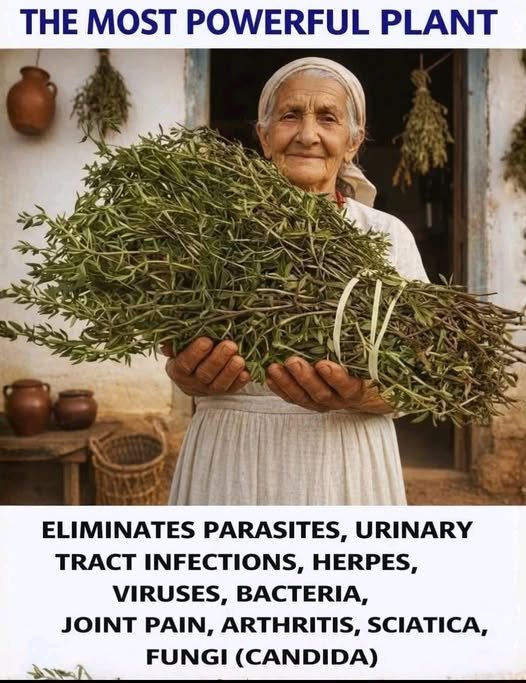
The Most Powerful Medicinal Plant Many People Still Ignore (And Why It Deserves a Place in Your Daily Life)
Discover the powerful medicinal plant many people overlook. Learn its health benefits, practical uses, scientific insights, and how to safely include it in your routine.
The Overlooked Plant That Could Transform Your Wellness Routine
Walk through any American grocery store or pharmacy, and you’ll find shelves packed with supplements, powders, teas, and herbal capsules promising better health.
But hidden in plain sight is a plant that has been used for thousands of years in traditional medicine, backed by a growing body of modern research, yet surprisingly many people still overlook it.
That plant is moringa.
Often called the “miracle tree” by nutritionists and herbal medicine researchers, moringa has been praised for its remarkable nutrient density and broad range of potential health-supporting properties.
Despite its impressive profile, it hasn’t become a mainstream staple in many U.S. households the way turmeric, ginger, or green tea have.
So why does this plant continue to fly under the radar?
And more importantly — how can you safely and effectively use it to support your health?
In this in-depth guide, we’ll explore:
-
What makes moringa such a powerful medicinal plant
-
The science behind its health-supporting compounds
-
How Americans are starting to incorporate it into everyday diets
-
Practical ways to use it at home
-
Common mistakes beginners make
-
What current research suggests about its future in wellness
By the end, you’ll understand why many herbalists consider moringa one of the most nutritionally impressive plants on Earth.
What Is Moringa?
Moringa comes from the tree Moringa oleifera, native to parts of South Asia but now grown widely in tropical and subtropical regions around the world.
Almost every part of the plant is usable:
-
Leaves
-
Seeds
-
Pods
-
Flowers
-
Roots
However, the leaves are the most commonly consumed part because they contain the highest concentration of beneficial nutrients.
In the United States, moringa is typically sold as:
-
Powder
-
Capsules
-
Herbal tea
-
Smoothie blends
-
Energy supplements
Many health-conscious consumers are beginning to recognize it as a plant-based nutritional powerhouse.
Why Moringa Is Considered One of the Most Powerful Medicinal Plants
The reputation of moringa comes largely from its extremely dense nutritional composition.
Researchers studying the plant have found it contains:
-
Essential amino acids
-
Vitamins
-
Antioxidants
-
Anti-inflammatory compounds
-
Plant polyphenols
Some of the key nutrients include:
-
Vitamin C
-
Vitamin A
-
Calcium
-
Potassium
-
Iron
-
Magnesium
Its leaves also contain powerful antioxidants such as quercetin and chlorogenic acid, compounds frequently studied for their role in supporting cellular health.
Because of this combination, moringa is often described as a “whole-body support plant.”
Why It Matters for Health-Conscious Americans
In the United States, diet-related health concerns remain a major issue.
According to data frequently discussed by organizations like the Centers for Disease Control and Prevention, many adults fall short in daily intake of essential nutrients.
Busy lifestyles, processed foods, and nutrient-depleted diets contribute to:
-
Low vegetable intake
-
Micronutrient deficiencies
-
Chronic inflammation
Plants like moringa offer a simple nutritional boost that can complement a balanced diet.
It’s not a miracle cure, but it can be a nutrient-dense addition to everyday meals.
Key Health Benefits Linked to Moringa
1. Rich in Antioxidants
Antioxidants help protect cells from oxidative stress.
Moringa leaves contain several notable antioxidant compounds, including:
-
Quercetin
-
Beta-carotene
-
Chlorogenic acid
These compounds may help support overall wellness when combined with a healthy lifestyle.
2. Natural Anti-Inflammatory Properties
Chronic inflammation is associated with many long-term health conditions.
Certain plant compounds found in moringa have demonstrated anti-inflammatory activity in laboratory studies, which is why herbal practitioners often include it in wellness protocols.
3. Supports Healthy Energy Levels
Unlike caffeine-based stimulants, moringa provides natural micronutrients that help support metabolism and energy production.
Many people report feeling more sustained energy when incorporating moringa powder into smoothies or morning drinks.
4. May Support Heart Health
Some early studies have explored moringa’s potential role in supporting healthy cholesterol levels.
The presence of plant sterols and antioxidants contributes to ongoing research in this area.
5. Nutrient Support for Plant-Based Diets
People following vegetarian or vegan diets often look for additional sources of nutrients like:
-
Iron
-
Calcium
-
Protein
Moringa leaves provide small but meaningful amounts of these nutrients, making it a popular supplement among plant-based eaters.
How to Use Moringa at Home
One reason moringa hasn’t yet become a household staple is that many people simply don’t know how to use it.
Fortunately, it’s incredibly versatile.
Moringa Powder
The most common form.
Ways to use it:
-
Blend into smoothies
-
Mix into yogurt
-
Add to oatmeal
-
Stir into soups
-
Sprinkle over salads
Start with ½ teaspoon per day and gradually increase.
Moringa Tea
Steeping dried moringa leaves creates a mild herbal tea.
Many people drink it:
-
In the morning for a nutrient boost
-
In the evening as a calming herbal beverage
Moringa Capsules
Capsules provide convenience for people who dislike the earthy flavor of the powder.
Always follow the dosage instructions provided by manufacturers.
Real-Life Example: A Simple Morning Moringa Smoothie
Many wellness enthusiasts add moringa to their morning routine.
Example smoothie:
Ingredients:
-
1 banana
-
1 cup almond milk
-
½ teaspoon moringa powder
-
½ cup frozen mango
-
1 tablespoon chia seeds
Blend until smooth.
The result is a nutrient-rich green smoothie with a mild earthy taste.
Pros and Cons of Moringa
Pros
✔ Extremely nutrient dense
✔ Easy to add to everyday foods
✔ Plant-based and natural
✔ Available in many forms
✔ Affordable compared to many supplements
Cons
✖ Earthy taste may not appeal to everyone
✖ Quality varies between brands
✖ Not a substitute for a balanced diet
✖ Research is still developing in some areas
Being aware of both sides helps maintain realistic expectations.
Common Beginner Mistakes
Many first-time users make a few simple errors.
Using Too Much Too Quickly
Large doses can cause digestive discomfort.
Start small and increase gradually.
Buying Low-Quality Products
Choose reputable brands that test for:
-
Purity
-
Heavy metals
-
Organic sourcing
Expecting Instant Results
Natural plant supplements typically support health gradually, not overnight.
Consistency matters more than quantity.
Expert Tips Most People Don’t Know
Combine Moringa With Healthy Fats
Certain nutrients in moringa absorb better when consumed with fats like:
-
Avocado
-
Nuts
-
Olive oil
Store Powder Properly
Keep moringa powder:
-
In an airtight container
-
Away from light
-
In a cool, dry place
This helps preserve its nutrients.
Mix With Stronger Flavors
Because moringa has a grassy taste, it blends well with:
-
Citrus
-
Pineapple
-
Mango
-
Ginger
Emerging Research and Wellness Trends in 2026
Interest in nutrient-dense plants is growing rapidly in the U.S.
Wellness trends suggest increasing popularity of:
-
Functional foods
-
Plant-based nutrition
-
Natural herbal supplements
Researchers continue to study moringa’s potential role in areas such as:
-
Metabolic health
-
Inflammation
-
Nutritional support
Universities and agricultural research groups are also exploring sustainable farming of moringa as a future food security crop due to its resilience and nutritional value.
Practical Action Checklist
If you want to try moringa, start with these steps:
✔ Choose a reputable brand
✔ Begin with a small serving (½ teaspoon)
✔ Add it to smoothies or tea
✔ Use consistently for several weeks
✔ Combine with a balanced diet
✔ Monitor how your body responds
This simple approach helps you introduce the plant safely and effectively.
Frequently Asked Questions
Is moringa safe to consume daily?
For most healthy adults, moderate amounts are considered safe. However, people with medical conditions should consult a healthcare professional.
What does moringa taste like?
It has an earthy, slightly grassy flavor similar to green tea or spinach.
Can moringa replace multivitamins?
No. It can complement a healthy diet but shouldn’t replace medically recommended supplements.
How much moringa should beginners take?
Most people start with ½ to 1 teaspoon of powder per day.
Does moringa contain protein?
Yes. It contains small amounts of plant-based protein and essential amino acids.
Can moringa help with weight management?
It may support overall nutrition, but it is not a weight-loss product.
Is moringa caffeine-free?
Yes. It provides nutrients without stimulants.
Who should avoid moringa?
Pregnant individuals and those on certain medications should consult a healthcare provider before use.
Moringa may not yet be a household name across America, but its impressive nutrient profile and long history in traditional medicine make it one of the most interesting plants in the modern wellness world.
While it isn’t a miracle cure, adding small amounts of moringa to your daily routine can provide a natural boost of vitamins, minerals, and antioxidants.
Final Thoughts
Sometimes the most powerful health-supporting foods aren’t expensive supplements or trendy products — they’re plants that have been quietly used for centuries.
Moringa is one of those plants.
If you’re looking for a simple, natural way to enrich your diet, this overlooked tree might be worth exploring.
Have you ever tried moringa before?
Share your experience, favorite recipes, or questions in the comments — and feel free to pass this guide along to anyone curious about natural wellness.