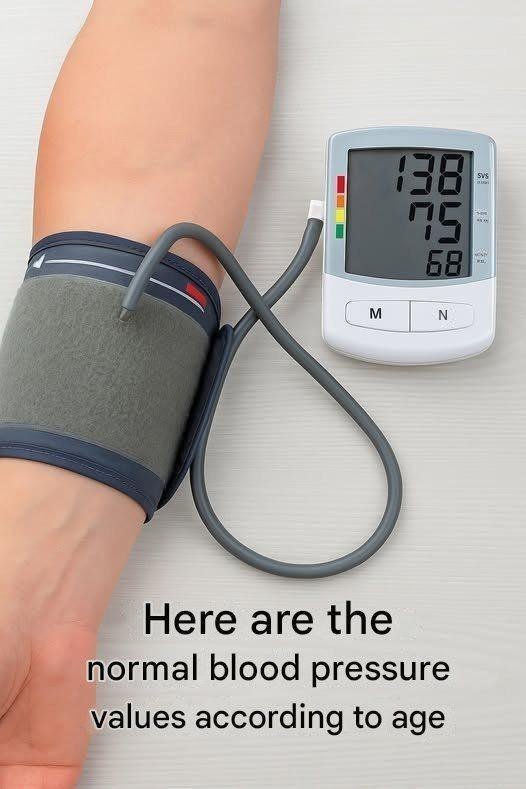
Normal Blood Pressure Values According to Age
Learn the normal blood pressure ranges for children, adults, and seniors. Understand how age affects blood pressure and what numbers indicate a healthy heart.
Introduction: Why Blood Pressure Matters
Blood pressure is a key indicator of heart and vascular health. It’s measured in millimeters of mercury (mmHg) and expressed as:
Systolic / Diastolic
-
Systolic (top number): Pressure when the heart beats
-
Diastolic (bottom number): Pressure when the heart rests
Normal blood pressure varies with age, lifestyle, and overall health. Knowing these ranges helps detect hypertension or hypotension early and maintain cardiovascular wellness.
Blood Pressure Categories (All Ages)
| Category | Systolic (mmHg) | Diastolic (mmHg) |
|---|---|---|
| Normal | <120 | <80 |
| Elevated | 120–129 | <80 |
| Hypertension Stage 1 | 130–139 | 80–89 |
| Hypertension Stage 2 | ≥140 | ≥90 |
| Hypertensive Crisis | >180 | >120 |
Source: American Heart Association (AHA)
Normal Blood Pressure by Age
Children and Adolescents
| Age | Systolic (mmHg) | Diastolic (mmHg) |
|---|---|---|
| 1–5 years | 90–110 | 55–75 |
| 6–13 years | 95–120 | 60–80 |
| 14–18 years | 110–135 | 65–85 |
Note: Blood pressure in children depends on height and gender as well. Pediatricians often use percentile charts.
Adults (19–59 years)
| Age | Systolic (mmHg) | Diastolic (mmHg) | Notes |
|---|---|---|---|
| 19–29 | 110–120 | 70–80 | Early adulthood, ideal BP range |
| 30–39 | 110–125 | 70–80 | Slight increases are common with age |
| 40–49 | 115–130 | 75–85 | Monitor lifestyle factors |
| 50–59 | 120–135 | 75–85 | Risk of hypertension rises |
Older Adults (60+ years)
| Age | Systolic (mmHg) | Diastolic (mmHg) | Notes |
|---|---|---|---|
| 60–69 | 120–140 | 70–85 | Stiffening arteries may increase systolic BP |
| 70–79 | 125–145 | 70–85 | Slightly higher readings can be normal if asymptomatic |
| 80+ | 130–150 | 70–85 | Individualized targets recommended by doctors |
Older adults often have slightly higher systolic readings due to arterial stiffness. Treatment decisions should consider overall health and risk factors.
Factors Affecting Blood Pressure
-
Lifestyle: Diet, salt intake, physical activity
-
Weight: Obesity increases risk of hypertension
-
Stress: Chronic stress can elevate BP
-
Medications: Some drugs raise or lower BP
-
Medical conditions: Kidney disease, diabetes, heart conditions
Tips to Maintain Healthy Blood Pressure
-
Eat a balanced diet: Focus on fruits, vegetables, whole grains, and lean proteins
-
Reduce salt intake: Less than 2,300 mg per day recommended
-
Exercise regularly: At least 150 minutes of moderate activity per week
-
Maintain healthy weight
-
Avoid smoking and excessive alcohol
-
Monitor BP at home: Keep a log to share with your doctor
Normal blood pressure varies with age, lifestyle, and health status. While adults typically aim for around 120/80 mmHg, slight increases in older age can be normal. Regular monitoring and a healthy lifestyle are essential to prevent hypertension and protect heart health.