The Smell Some People Perceive Before Death: What Science Says and Why It Happens
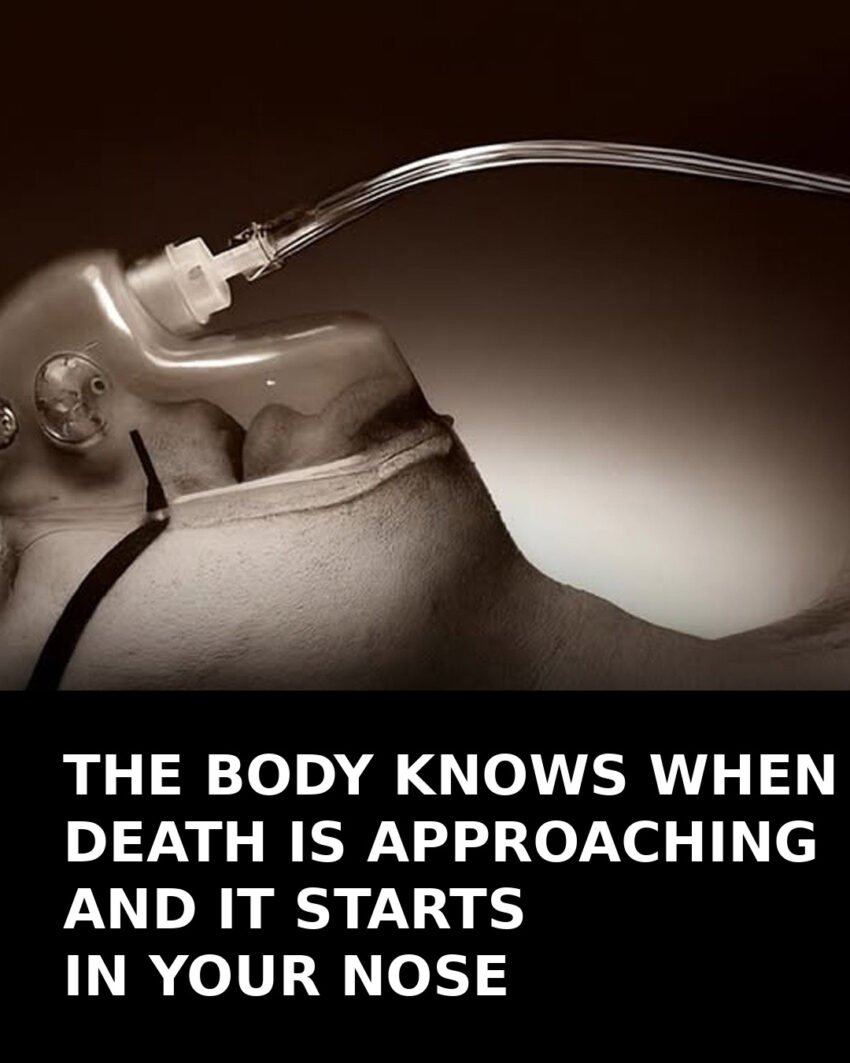
There’s a mysterious phenomenon that has fascinated humans for centuries: a distinctive smell that some people report sensing when a loved one is near death. Many describe it as a sweet, floral, or even unusual metallic scent, and it often happens hours or days before death.
While it may sound like folklore or spiritual intuition, science has begun to investigate why some people experience this “death smell” and what it could mean.
What People Commonly Report
Accounts of the phenomenon vary, but common descriptions include:
-
Sweet, perfumed aroma – likened to lilies, violets, or roses
-
Metallic or coppery odor – similar to blood or iron
-
Sooty or burned scent – sometimes linked to decay, though occurring before death
-
Earthy, musty smell – reminiscent of soil or autumn leaves
Interestingly, some hospice nurses and caregivers report smelling these scents without any apparent source, often when a patient is unconscious or unresponsive.
Historical and Cultural Context
Across cultures, this phenomenon has long been documented:
-
Europe (16th–19th centuries): Physicians noted “death scents” as warnings of imminent passing.
-
Japan: The concept of “shinigami” (death spirits) sometimes associates with specific smells.
-
Modern hospice accounts: Caregivers frequently report these smells during end-of-life care, often hours before death occurs.
While historically linked to spiritual beliefs, modern science seeks physiological explanations.
The Science Behind the “Death Smell”
Scientists propose several potential explanations:
1. Chemical Changes in the Body
As the body approaches death, metabolism slows, and cells begin to break down. This process can produce volatile organic compounds (VOCs), which are chemicals that easily vaporize and carry scent.
Some examples:
-
Acetone – can give a sweet or fruity smell, often noted in diabetics with ketoacidosis.
-
Cadaverine and putrescine – chemicals associated with decomposition, though trace amounts may be detectable before death.
-
Phenol and skatole – compounds that can smell floral or fecal depending on concentration.
Even very small amounts of these compounds may be detectable by the human nose, especially by caregivers who spend prolonged periods with the patient.
2. Olfactory Hallucinations in Caregivers
Some research suggests that stress, grief, and heightened attention to a loved one may lead the brain to perceive smells that are not physically present.
-
Known as phantosmia or olfactory hallucinations, this occurs when the olfactory system is hyperactive or sensitized.
-
Hospice staff sometimes report these smells without any chemical source, suggesting a psychological component.
3. Environmental Factors
Other explanations include:
-
Cleaning agents, perfumes, or incense in hospital rooms
-
Food odors lingering nearby
-
Bedding or personal care products
Often, these odors may coincide with end-of-life events, creating the impression of a “pre-death smell.”
Why It Happens: Biological Perspective
From a biological standpoint, death is preceded by systemic breakdown:
-
Cellular respiration slows – oxygen levels drop, producing ketones and other VOCs.
-
Organs start shutting down – liver and kidneys no longer process waste efficiently, releasing unusual chemicals into the blood.
-
Exhalation and perspiration – VOCs can be released through breath and skin, producing subtle scents.
In other words, the “death smell” may be an early chemical signal of the body shutting down, detectable by sensitive humans.
What Caregivers and Loved Ones Should Know
-
It’s normal: Smelling unusual scents near the end of life is a well-documented phenomenon.
-
It doesn’t indicate illness in the perceiver: Most often, it’s due to environmental chemicals or heightened sensory perception.
-
Documenting patterns can help: Some hospice nurses track VOC-related smells as part of patient monitoring.
Interestingly, some researchers speculate that humans may have an innate ability to detect early biochemical signs of dying, perhaps an evolutionary adaptation for caregiving and survival.
Case Example
A hospice nurse recalls a patient with terminal cancer:
“About 12 hours before he passed, I noticed a faint, sweet scent in the room. It wasn’t coming from flowers or any product. By evening, he was gone. I’ve noticed it with several patients since, and it’s always the same: faint, floral, and unmistakable.”
While anecdotal, such experiences are surprisingly common among trained caregivers.
What Science Still Doesn’t Know
While theories exist, many questions remain:
-
Why do only some people detect these smells?
-
Are the scents consistent across patients?
-
Can the compounds be chemically identified and quantified in real time?
Ongoing research in olfactory biology and end-of-life care may eventually answer these questions.
The “smell before death” is a real phenomenon reported across cultures and centuries. Science suggests it may result from:
-
Volatile organic compounds released during bodily breakdown
-
Heightened olfactory perception or stress-related hallucinations
-
Environmental factors coinciding with end-of-life care
While still not fully understood, it offers a glimpse into the complex interaction between biology, chemistry, and human perception at life’s final moments.
It’s a reminder that death is both a biological process and a deeply human experience, often sensed in subtle ways beyond the purely visible.