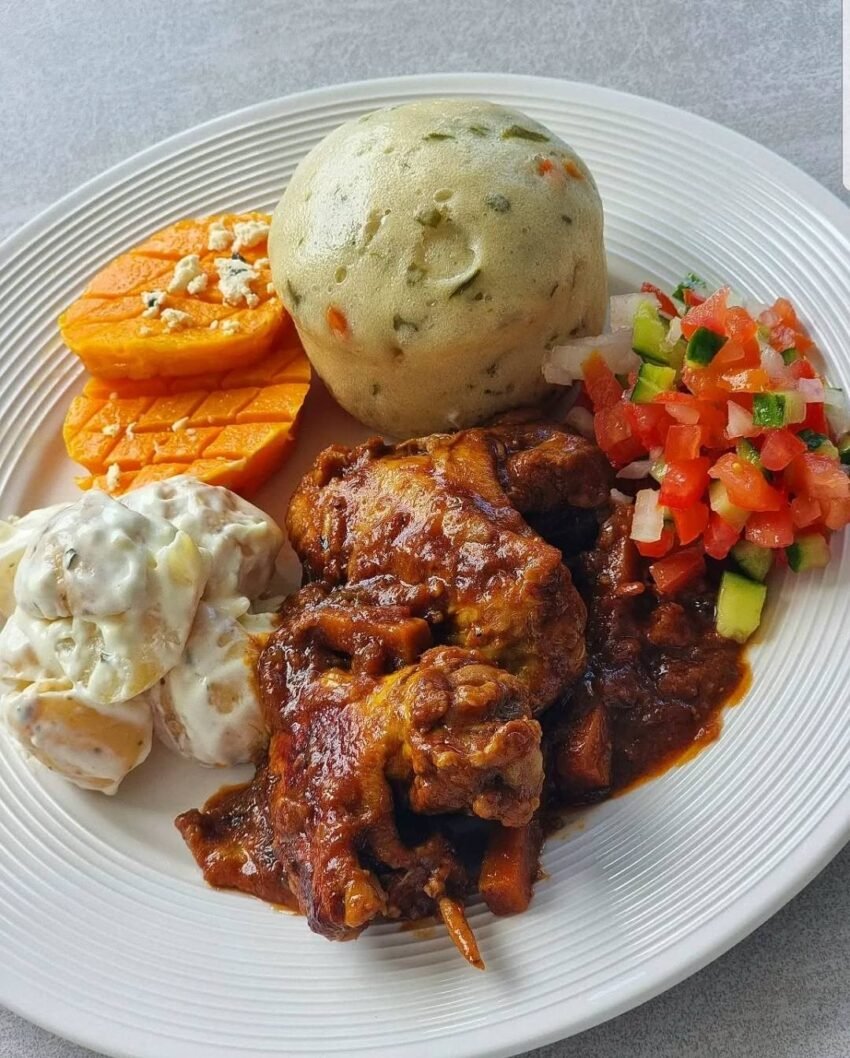
The South African Seven-Color Plate: A Feast for the Eyes and the Soul
Close your eyes and imagine a plate brimming with color—golden pumpkin, deep green beans, ruby-red beetroot, creamy potato salad, bright yellow carrots, brown beans, and a hint of pickled chutney—each bite telling a story of South African home cooking. This is the magic of the Seven-Color Plate, a traditional South African dish that’s as much a visual feast as it is a culinary one.
Introduction: A Plate Full of Memories
Growing up in a South African household, Sundays were sacred. After church, families would gather around the dining table, passing bowls of fresh vegetables and hearty sides while the aroma of braaied meat or roast chicken filled the air. One dish that always stole the show was the Sewe Kleure Bord, or Seven-Color Plate.
There’s something so comforting about a plate filled with a rainbow of vegetables, each prepared in its own way, seasoned to perfection, and arranged artfully. The texture of tender carrots against creamy potato salad, the sweetness of pumpkin next to earthy beans—it’s a symphony of flavors. And the beauty? It’s not just about eating; it’s about celebrating tradition, family, and the vibrant culinary culture of South Africa.
Why You’ll Love the Seven-Color Plate
- Visually Stunning – The rainbow of vegetables instantly makes the dish appetizing.
- Nutritious & Balanced – A variety of vegetables ensures a mix of vitamins and minerals.
- Customizable – Adaptable for vegetarian, vegan, or meat-accompanied meals.
- Family-Friendly – Loved by children and adults alike; a great way to encourage vegetable consumption.
- Traditional & Cultural – A dish steeped in South African heritage and Sunday family rituals.
Ingredients (Serves 6–8)
Vegetables & Sides:
- 300 g (1½ cups) butternut pumpkin, peeled and diced
- 300 g (1½ cups) green beans, trimmed
- 300 g (1½ cups) carrots, sliced
- 400 g (2 cups) potatoes, peeled and cubed
- 200 g (1 cup) beetroot, boiled and sliced
- 250 g (1¼ cups) brown beans, cooked
- 100 g (½ cup) chutney or pickled relish
Seasonings & Dressing:
- 3 tbsp (45 ml) olive oil or melted butter
- Salt & black pepper, to taste
- 1 tsp (5 g) sugar (optional, for carrots and pumpkin)
- 1 tsp (5 g) mustard (optional, for potato salad)
- 2 tbsp (30 ml) mayonnaise (optional, for creamy potato salad)
- Fresh parsley or coriander, for garnish
Healthy Substitutes:
- Swap mayonnaise for Greek yogurt in potato salad.
- Use steamed or roasted pumpkin instead of fried for fewer calories.
- Opt for low-sodium chutney or homemade pickles.
Nutritional Information (Per Serving)
- Calories: ~220 kcal
- Protein: 8 g
- Carbohydrates: 35 g
- Fats: 7 g
- Fiber: 7 g
- Vitamins & Minerals: Vitamin A (carrots & pumpkin), Vitamin C (green beans & beetroot), Iron (beans)
Diet Suitability:
- Vegetarian
- Vegan (omit mayo or use plant-based alternative)
- Gluten-Free
Kitchen Tools Needed
- Sharp chef’s knife
- Cutting board
- Large pots for boiling/steaming vegetables
- Skillet or roasting tray
- Mixing bowls
- Colander
- Serving platter
Step-by-Step Preparation
Step 1: Prepare the Vegetables
- Peel and dice pumpkin, carrots, and potatoes.
- Trim green beans and slice beetroot if not pre-sliced.
Step 2: Cook Each Vegetable
- Pumpkin & Carrots: Steam or boil until tender (~10–12 minutes). Optional: toss in butter and a pinch of sugar.
- Green Beans: Blanch in boiling water for 3–4 minutes until vibrant and tender-crisp. Shock in ice water to maintain color.
- Potatoes: Boil until fork-tender (~12–15 minutes). Mash lightly or leave as cubes for potato salad.
- Beetroot: Boil or roast until tender (~30–40 minutes). Slice thinly.
- Brown Beans: Use pre-cooked beans or soak and cook until soft.
Step 3: Season & Dress
- Toss vegetables individually with olive oil, salt, and pepper.
- Mix potato cubes with mayonnaise, mustard, salt, and pepper for potato salad.
- Add a spoon of chutney for sweet and tangy contrast.
Step 4: Assemble the Seven-Color Plate
- Arrange each vegetable in its own section on a large serving platter, creating a rainbow effect.
- Garnish with chopped parsley or coriander.
- Serve alongside roasted meat, chicken, or enjoy as a standalone vegetarian feast.
Expert Cooking Tips & Mistakes to Avoid
- Maintain Vibrant Colors: Don’t overcook vegetables; shock green beans and carrots in ice water.
- Uniform Size: Cut vegetables evenly for consistent cooking.
- Season Individually: Each vegetable has its own flavor—season them separately before arranging.
- Serve Fresh: This dish is best served immediately; reheating may dull the colors and texture.
Variations & Customizations
- Meat Version: Add slices of grilled steak, chicken, or lamb alongside the vegetables.
- Vegan Version: Stick to plant-based mayo and skip butter.
- Spicy Version: Sprinkle paprika, chili flakes, or peri-peri sauce over carrots and pumpkin.
- Child-Friendly Version: Dice vegetables smaller for easier handling and add a mild ketchup dip.
Storage & Reheating Instructions
- Fridge Life: Store cooked vegetables in airtight containers for up to 3 days.
- Freezer Life: Not recommended; texture may suffer upon thawing.
- Reheating Method: Steam gently or reheat in a skillet to maintain color and texture. Avoid microwaving for best presentation.
Serving Suggestions
- Serve alongside braaied meats (South African BBQ) for a true cultural experience.
- Pair with fresh bread rolls or samp and beans for a hearty meal.
- Add a side of chutney or pickled vegetables to elevate flavors.
- Garnish with fresh herbs for a visually striking table centerpiece.
FAQs
1. What is the origin of the Seven-Color Plate?
It comes from South African Sunday lunch traditions, celebrating family, diversity, and seasonal vegetables.
2. Can I prepare this ahead of time?
Yes, but assemble just before serving to keep the colors vibrant.
3. Is it suitable for vegans?
Absolutely! Use plant-based butter and mayo alternatives.
4. Can I substitute vegetables?
Yes, seasonal vegetables work perfectly—zucchini, cauliflower, or peas are great options.
5. How do I make it more kid-friendly?
Cut vegetables into fun shapes or smaller pieces, and keep seasoning mild.
6. Can this dish be served warm or cold?
Traditionally served warm, but it works beautifully as a cold salad too.
The Seven-Color Plate is more than just food; it’s tradition, culture, and a celebration of South Africa on a platter. Vibrant, healthy, and family-friendly, this dish is perfect for any occasion—Sunday lunch, a festive gathering, or even a weeknight rainbow of goodness.
Try it today, experiment with your favorite vegetables, and share your colorful creation. Let the Sewe Kleure Bord bring a taste of South African heritage to your table!