Those Strips on Your Towels Actually Have a Purpose — And Most People Never Realize It
Ever noticed the decorative strip near the end of your towels? It’s not just for looks. Discover the real purpose behind this common towel design feature.
The Small Detail on Towels Most People Ignore
Take a look at the towel hanging in your bathroom.
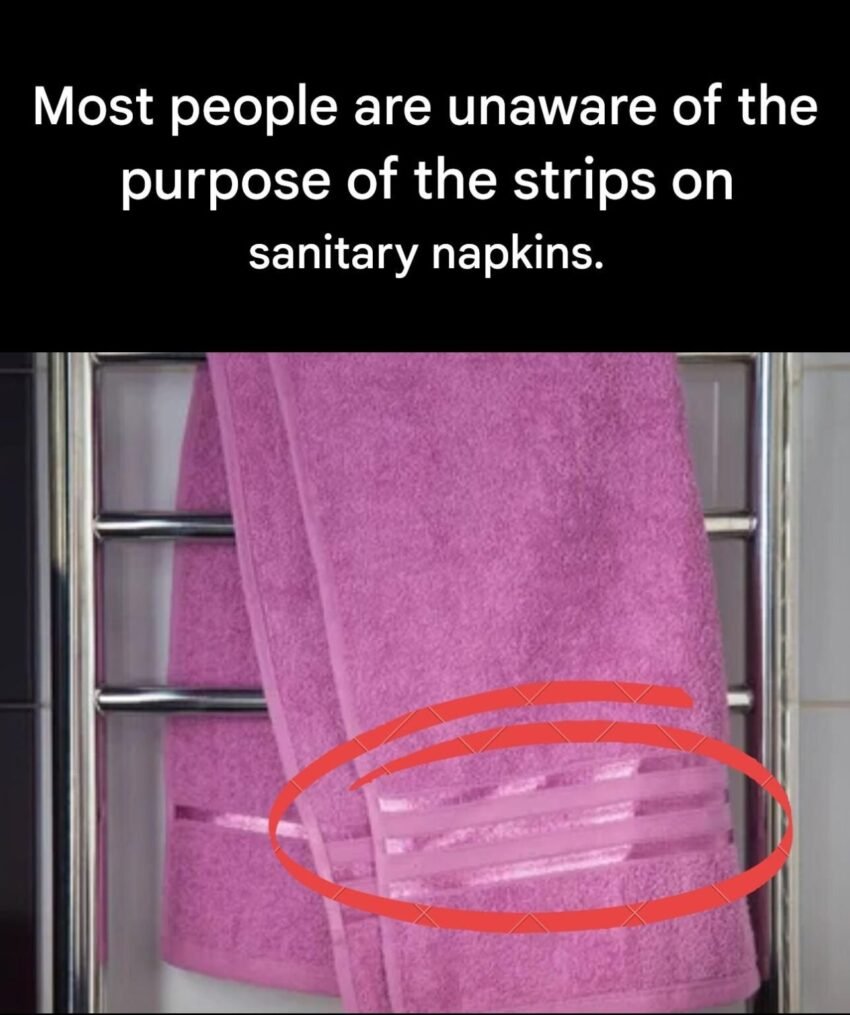
Near one or both ends, you’ll likely notice a flat woven strip or band running horizontally across the fabric. It often looks different from the rest of the towel’s fluffy texture.
Many people assume this strip is simply decorative.
But that’s not the whole story.
This feature actually has several practical purposes related to durability, performance, and manufacturing. In the textile industry, it’s commonly known as a dobby border.
Once you understand why it exists, you’ll start noticing it on almost every towel you own.
What the Towel Strip Is Called
The strip is known as a dobby border, created using a special weaving technique called a dobby weave.
The term comes from a weaving device used on looms that allows manufacturers to create small geometric patterns and tighter weaves within fabric.
Unlike the soft loops that make towels absorbent, the dobby border is woven flat and dense, giving it a very different texture.
The Real Reasons Towels Have This Strip
The dobby border serves several useful purposes.
1. It Strengthens the Towel’s Edges
The ends of a towel are the areas that experience the most wear.
They’re frequently:
-
Pulled when hanging
-
Tugged during drying
-
Rubbed during washing
The tightly woven strip reinforces these edges and helps prevent fraying over time.
Without this reinforcement, towels would wear out much faster.
2. It Helps Towels Keep Their Shape
Thick towel loops can stretch after repeated washing and drying.
The dobby border acts like a stabilizing frame, helping the towel maintain its rectangular shape.
This is why towels with a good border often stay flat and structured longer.
3. It Reduces Curling at the Ends
If the entire towel were made of looped terry cloth, the edges might curl after many washes.
The flat border keeps the ends more stable and prevents excessive curling.
4. It Helps With Folding and Display
Hotels and retailers often rely on the dobby border to keep towels looking neat.
Because the strip is flat, it allows towels to:
-
Fold more evenly
-
Stack neatly
-
Display attractively on shelves
That’s why you’ll often see the border visible in hotel towel folds.
Why Towels Use Terry Cloth in the First Place
Most towels are made using terry cloth, a fabric designed to maximize water absorption.
Terry cloth contains thousands of tiny loops that increase surface area.
This allows towels to:
-
Absorb water quickly
-
Hold more moisture
-
Dry skin efficiently
However, those loops are also more delicate than flat weaves, which is another reason the reinforced border is helpful.
A Quick Look at How Towels Are Made
Towels are produced using specialized textile looms that weave two different structures into one piece of fabric:
| Section of Towel | Fabric Structure |
|---|---|
| Main body | Looped terry cloth |
| Border strip | Flat dobby weave |
This combination balances absorbency and durability.
Why You’ll See This Feature in Most Quality Towels
Higher-quality towels often include well-designed dobby borders because they:
-
Improve longevity
-
Help maintain structure
-
Add subtle visual detail
Manufacturers sometimes include patterns, stripes, or textures in the border to distinguish different towel collections.
Interesting Fact: Hotels Rely on This Design
Hotels wash towels hundreds of times during their lifespan.
The dobby border helps commercial towels survive frequent laundering without losing their shape or unraveling.
This is one reason hospitality-grade towels often include thicker, reinforced borders.
Common Myths About the Towel Strip
Myth: It’s purely decorative
While it does add visual detail, its main purpose is structural support and durability.
Myth: Towels without it are better
In reality, towels without reinforced borders may wear out faster.
Myth: It helps with absorption
The border itself is not meant to absorb water. Its role is mostly structural.
How to Make Towels Last Longer
Even with reinforced borders, proper care can extend a towel’s life.
Washing Tips
-
Wash towels in warm water
-
Avoid excessive detergent
-
Skip fabric softener (it can reduce absorbency)
Drying Tips
-
Tumble dry on medium heat
-
Avoid over-drying to protect fibers
These steps help maintain both the terry loops and the dobby border.
Signs of a High-Quality Towel
When shopping for towels, look for:
✔ Dense terry loops
✔ Strong dobby borders
✔ Even stitching along edges
✔ Soft but durable fabric
These features usually indicate better craftsmanship.
Frequently Asked Questions
What is the strip on a towel called?
It’s known as a dobby border, a tightly woven section that reinforces the towel.
Does the strip affect towel absorbency?
No. Absorbency mainly comes from the terry cloth loops.
Why do some towels have multiple stripes?
Manufacturers sometimes add extra dobby patterns for design or branding.
Do all towels have this feature?
Most modern towels include some type of reinforced border, though designs vary.
Can the border shrink during washing?
If towels are washed at very high temperatures repeatedly, some shrinkage can occur.
Why do hotel towels feel different?
Commercial towels are often designed with durability and frequent washing in mind.
Quick Summary
Those mysterious strips on your towels actually serve important purposes:
✔ Reinforce towel edges
✔ Prevent fraying and stretching
✔ Help towels maintain shape
✔ Improve folding and display
What looks like a decorative band is actually a smart piece of textile engineering.
Conclusion
The next time you grab a towel after a shower, take a closer look at that simple woven strip.
What appears to be a small decorative detail is actually a carefully designed feature that helps towels stay durable, structured, and functional.
It’s a great reminder that many everyday objects contain clever design elements we rarely notice.
The strips on towels—called dobby borders—aren’t just decorative. They reinforce the fabric, prevent fraying, and help towels maintain their shape after repeated washing.
If you enjoyed learning about this hidden design feature, feel free to share it with friends or explore more everyday items that have surprising purposes behind their design.