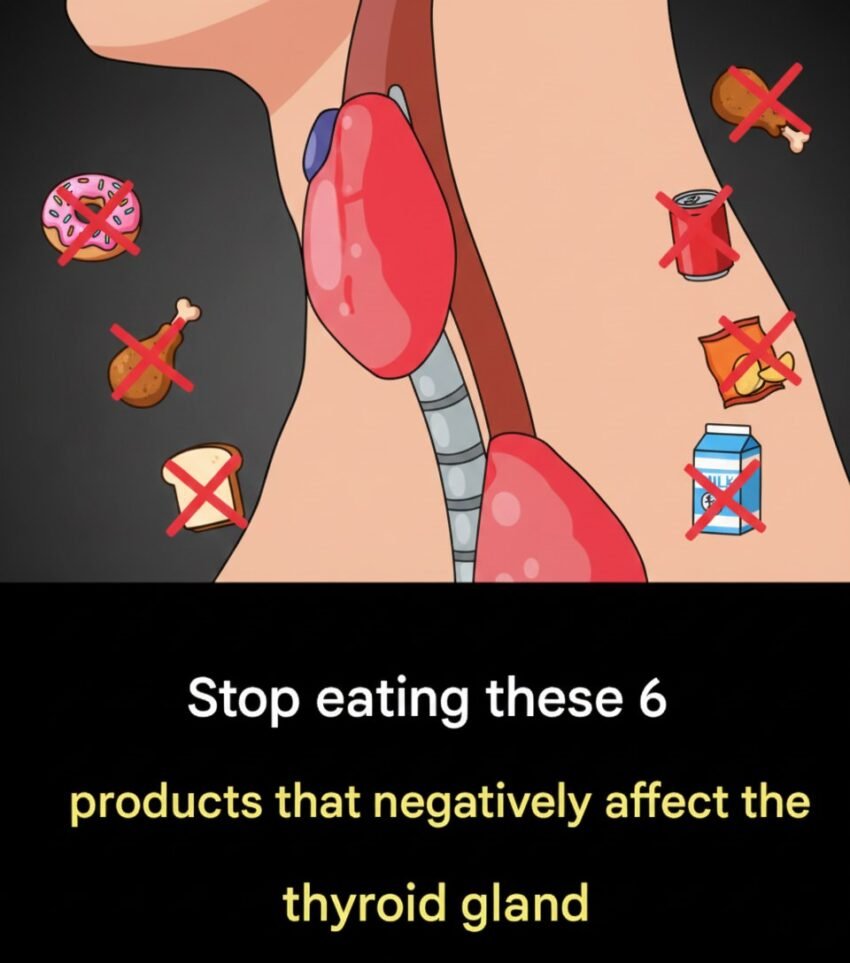
Thyroid Trouble? Doctors Rarely Emphasize These 6 Foods That Can Drain Your Energy
Struggling with thyroid fatigue? Learn 6 foods that may interfere with thyroid function and how to adjust your diet safely for better energy.
If you’re dealing with thyroid issues, you already know the frustration.
You’re exhausted… but you slept.
You’re gaining weight… but you’re eating the same.
You feel foggy, cold, or wired and tired at the same time.
And here’s what many people across the U.S. quietly discover:
Medication helps — but diet can quietly make things better… or worse.
Now let’s clear something up immediately:
There is no secret “thyroid crisis” doctors are hiding from you.
However, there are certain foods that can interfere with thyroid function, medication absorption, or hormone balance — and they’re rarely explained clearly during short office visits.
If your energy depends on healthy thyroid function, this is worth understanding.
Why Thyroid Health Matters So Much for Energy
Your thyroid gland regulates metabolism.
It controls how your body:
-
Converts food into energy
-
Regulates temperature
-
Maintains heart rate
-
Supports mood and cognition
-
Balances hormones
When thyroid hormones are too low (hypothyroidism), you may feel:
-
Fatigue
-
Weight gain
-
Depression
-
Brain fog
-
Constipation
When too high (hyperthyroidism), you may experience:
-
Anxiety
-
Rapid heartbeat
-
Sweating
-
Muscle weakness
-
Insomnia
In the U.S., thyroid disorders are common — especially among women over 30.
Diet alone does not cause most thyroid conditions. But certain foods can influence how well your thyroid works or how effectively your medication absorbs.
Let’s break down six that deserve attention.
1. Soy Products (When Taken Near Thyroid Medication)
Soy isn’t “bad.”
But it can interfere with absorption of levothyroxine, a common thyroid medication.
Examples include:
-
Soy milk
-
Tofu
-
Edamame
-
Soy protein powders
Why it matters:
Soy contains compounds that may reduce medication absorption if consumed too close to your dose.
What to do:
-
Take thyroid medication on an empty stomach.
-
Wait at least 30–60 minutes before eating.
-
Separate soy intake by several hours.
This adjustment alone can improve stability for some patients.
2. High-Fiber Foods (In Excess Around Medication Time)
Fiber is healthy.
But very high fiber intake immediately after taking thyroid medication can reduce absorption.
Foods to watch around dosing time:
-
Bran cereals
-
Fiber supplements
-
Large servings of beans
You don’t need to avoid fiber.
Just space it properly.
3. Cruciferous Vegetables (When Consumed Raw in Large Amounts)
This one is often exaggerated online.
Vegetables like:
-
Broccoli
-
Kale
-
Cabbage
-
Brussels sprouts
Contain compounds called goitrogens that can interfere with iodine uptake in very large quantities — particularly when eaten raw.
Important context:
-
Cooking significantly reduces this effect.
-
Moderate intake is generally safe.
-
Problems are rare in people with adequate iodine intake.
Unless you’re consuming extreme amounts of raw greens daily, this is usually not a major concern.
4. Excess Iodine
Iodine is essential for thyroid hormone production.
But more is not better.
Too much iodine — especially from supplements or excessive seaweed consumption — can worsen both hypothyroidism and hyperthyroidism.
Common high-iodine sources:
-
Kelp supplements
-
Iodine drops
-
Certain seaweed snacks
-
High-dose multivitamins
In the U.S., iodine deficiency is uncommon due to iodized salt.
Always consult a healthcare provider before supplementing.
5. Ultra-Processed Sugary Foods
While sugar doesn’t directly “damage” your thyroid, it can worsen:
-
Insulin resistance
-
Inflammation
-
Energy crashes
If you already struggle with fatigue, blood sugar spikes can amplify exhaustion.
Reducing highly processed snacks often improves overall energy regulation — especially in people with hypothyroidism.
6. Excess Caffeine (Especially With Hyperthyroidism)
If your thyroid is overactive, high caffeine intake can intensify:
-
Anxiety
-
Heart palpitations
-
Sleep disruption
Even in hypothyroidism, relying heavily on caffeine can mask underlying fatigue rather than solving it.
Moderation matters.
What This Is NOT About
Let’s clear up common misconceptions:
❌ You do NOT need to eliminate entire food groups.
❌ You do NOT need expensive “thyroid detox” programs.
❌ You do NOT need extreme restrictive diets.
Thyroid management is about consistency, balance, and medical guidance.
The Real Issue Most People Miss
The biggest dietary mistake isn’t eating broccoli.
It’s inconsistent medication timing.
Thyroid medication should be:
-
Taken at the same time daily
-
On an empty stomach
-
With water only
-
Separated from calcium, iron, soy, and high-fiber foods
Even coffee can reduce absorption if consumed immediately.
Small habits create big differences over months.
A Real-World Scenario
Emily, 38, had stable hypothyroidism for years. Suddenly her labs became inconsistent.
Nothing changed — except she started drinking a protein smoothie with soy milk every morning, 10 minutes after taking her medication.
Once she moved breakfast to 60 minutes later, her lab values stabilized.
It wasn’t a crisis.
It was timing.
When to Speak With Your Doctor
Consult your healthcare provider if you notice:
-
Persistent fatigue despite medication
-
Sudden weight changes
-
Heart palpitations
-
Anxiety or depression
-
Hair thinning
-
Irregular menstrual cycles
Routine blood tests (TSH, Free T4, sometimes T3) help guide treatment.
Frequently Asked Questions
1. Do I need to avoid gluten with thyroid disease?
Only if you have celiac disease or confirmed sensitivity.
2. Can diet cure hypothyroidism?
No. Most cases require medical treatment.
3. Is iodine supplementation necessary?
Usually not in the U.S., unless deficiency is confirmed.
4. Should I avoid dairy?
Only if it interferes with medication timing.
5. Is coffee allowed?
Yes — but wait at least 30–60 minutes after medication.
6. Are raw vegetables dangerous?
Not in normal amounts.
7. Can weight loss fix thyroid issues?
It may improve symptoms, but does not replace treatment.
8. Do supplements help?
Some may, but always consult a medical professional first.
Action Checklist for Better Thyroid Support
✔ Take medication consistently
✔ Wait before eating or drinking coffee
✔ Separate calcium and iron supplements
✔ Avoid high-dose iodine unless prescribed
✔ Reduce ultra-processed sugar
✔ Monitor labs regularly
✔ Work with a qualified healthcare provider
There isn’t a hidden “thyroid crisis” no one talks about.
But there are small dietary habits that can quietly interfere with how your thyroid functions — especially when it comes to medication absorption and energy balance.
If you’re struggling with fatigue, sometimes the solution isn’t a new supplement.
It’s timing.
It’s balance.
It’s consistency.
If this helped clarify confusion around thyroid-friendly eating, share it with someone managing thyroid issues — and consider discussing any changes with your healthcare provider before adjusting your routine.
Your energy depends on a well-supported thyroid.
And small adjustments can make a meaningful difference.