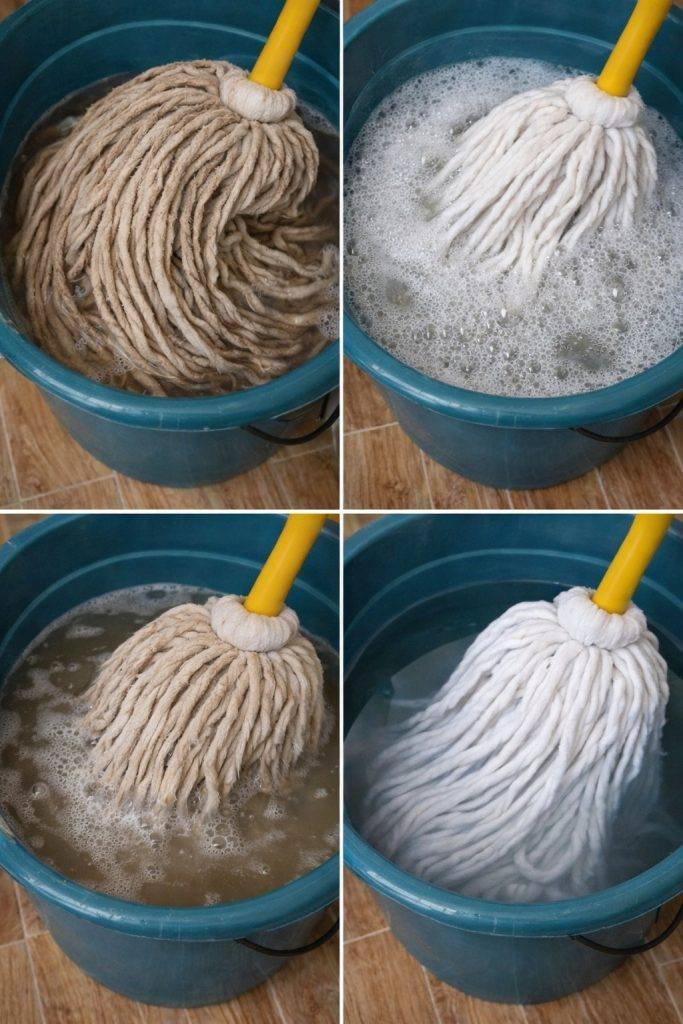
Before You Throw Away That Dirty Mop: One Simple Ingredient That Can Make It Feel Brand New Again
Don’t toss your dirty mop yet. Learn the one simple household ingredient that deep-cleans mop fibers and restores freshness fast.
You look down at your mop and think:
There’s no saving that.
It smells musty.
The fibers look gray and stiff.
No matter how much you rinse it, it still feels… dirty.
So most people do what seems logical:
They throw it away and buy another one.
But here’s what many American households don’t realize:
A dirty mop usually isn’t ruined.
It’s just deeply clogged with residue.
And in most cases, one simple, inexpensive ingredient sitting in your kitchen can restore it almost completely.
Before you replace it, try this.
Why Mops Get So Dirty (Even When You Rinse Them)
A mop doesn’t just collect visible dirt.
It traps:
-
Soap residue
-
Hard water minerals
-
Grease particles
-
Bacteria
-
Floor cleaner buildup
Over time, these substances harden inside the fibers.
Rinsing with water alone won’t remove them.
In fact, leftover detergent residue can make the mop attract even more dirt the next time you use it.
The result?
-
Stiff strands
-
Lingering odor
-
Reduced cleaning performance
It looks beyond saving — but it’s not.
The One Ingredient That Changes Everything
White distilled vinegar.
Specifically, standard 5% acidity household vinegar.
Vinegar works because it:
-
Breaks down mineral deposits
-
Dissolves soap buildup
-
Neutralizes odors
-
Helps loosen trapped grime
It’s affordable, widely available in U.S. grocery stores, and safe for most mop materials when used correctly.
Why Vinegar Works So Well
Many homes in the United States have moderately hard water.
Hard water leaves behind calcium and magnesium deposits.
When combined with floor cleaners, this creates a sticky residue that clings to mop fibers.
Vinegar’s mild acetic acid dissolves those mineral deposits and softens buildup.
That’s why your mop often feels dramatically softer after treatment.
It’s not magic.
It’s chemistry.
Step-by-Step: How to Deep Clean a Dirty Mop
Before starting, check your mop type:
-
Cotton string mop
-
Microfiber flat mop
-
Sponge mop
The method works best for cotton and microfiber.
Method 1: Soaking Treatment (Best for Heavy Buildup)
What You’ll Need:
-
1 cup white distilled vinegar
-
1 gallon hot water (not boiling)
-
Bucket
Instructions:
-
Fill the bucket with hot water.
-
Add one cup of vinegar.
-
Submerge the mop head fully.
-
Let it soak for 30–60 minutes.
-
Rinse thoroughly with clean water.
-
Allow it to air dry completely in a ventilated area.
You may notice murky water — that’s residue releasing.
Method 2: Washing Machine Option (Removable Mop Heads Only)
For machine-washable microfiber or cotton mop heads:
-
Add 1 cup vinegar directly to the drum.
-
Use hot water cycle.
-
Skip detergent.
-
Air dry — avoid high heat.
Heat can damage fibers and reduce lifespan.
Real-World Example
Jessica in Ohio was replacing her cotton mop every three months.
After switching to a monthly vinegar soak:
-
Her mop lasted nearly a year.
-
Odor disappeared completely.
-
Cleaning performance improved noticeably.
Instead of buying four mops annually, she bought one.
Small change. Meaningful savings.
Pros and Cons of Using Vinegar
| Pros | Cons |
|---|---|
| Affordable | Strong smell during soak |
| Removes mineral buildup | Not ideal for rubber sponge parts |
| Neutralizes odor | Needs proper rinsing |
| Extends mop lifespan | May require repeat treatment for heavy buildup |
The vinegar smell fades after drying.
Common Mistakes That Ruin Mops
-
Leaving mop wet in a bucket
-
Storing without airflow
-
Using too much detergent
-
Never deep-cleaning
-
Drying in high heat
Moisture without ventilation breeds bacteria.
Always hang mops to dry fully.
How Often Should You Deep Clean a Mop?
For most U.S. households:
-
Light use: once per month
-
Weekly floor cleaning: every 2–3 weeks
-
High-traffic homes (kids/pets): weekly treatment
Routine maintenance prevents extreme buildup.
When You Should Replace Instead of Restore
Even vinegar can’t fix everything.
Replace your mop if:
-
Fibers are falling apart
-
Mold spots remain after cleaning
-
Strong odor persists
-
Plastic components crack
Restoration works best before structural damage occurs.
2026 Cleaning Trend Insight
As more households focus on sustainability and cost-efficiency, DIY cleaning solutions are rising again.
According to consumer lifestyle coverage in publications like Forbes, Americans are increasingly turning to simple, multi-use household staples instead of specialty products.
Vinegar remains one of the most versatile.
Reducing waste while saving money aligns with broader eco-conscious living trends.
Extra Tip Most People Don’t Know
After rinsing your mop:
-
Wring thoroughly
-
Hang upside down
-
Ensure air circulation
A fully dry mop prevents bacterial growth and odor return.
Moisture control matters as much as cleaning.
Can You Add Baking Soda?
Yes — but separately.
Do not mix baking soda and vinegar in a closed container (it causes fizzing overflow).
You can:
-
Soak with vinegar first
-
Then sprinkle baking soda during rinse for extra deodorizing
But vinegar alone is often sufficient.
Frequently Asked Questions
1. Does vinegar disinfect a mop?
It reduces many odor-causing bacteria but is not a hospital-grade disinfectant.
2. Will vinegar damage microfiber?
In moderate use, no. Avoid excessive soaking or repeated daily treatments.
3. Can I use apple cider vinegar?
White distilled vinegar is better. It leaves less residue.
4. Why does my mop smell worse when wet?
Moisture reactivates trapped bacteria and residue.
5. Can I use bleach instead?
Bleach disinfects but can weaken fibers over time.
6. How do I prevent buildup?
Use less detergent and rinse thoroughly after each use.
7. Should I clean the mop bucket too?
Yes. Dirty buckets re-contaminate clean mops.
8. How long should a mop last?
With proper care, 6–12 months for heavy use; longer for light use.
Quick Action Checklist
✔ Soak in hot water + 1 cup vinegar
✔ Rinse thoroughly
✔ Air dry completely
✔ Clean monthly
✔ Store in ventilated area
✔ Avoid overusing detergent
The Bigger Lesson
A dirty mop doesn’t always mean it’s ruined.
Often, it’s just overloaded.
Instead of automatically replacing it, restore it.
You’ll:
-
Save money
-
Reduce waste
-
Improve cleaning performance
-
Avoid unnecessary purchases
Before you throw away that very dirty mop and say, “Never buying this again,” try one cup of white distilled vinegar.
One soak can:
-
Remove buildup
-
Eliminate odor
-
Restore softness
-
Extend its life
Sometimes the problem isn’t the mop.
It’s the residue.
Have you tried restoring yours yet? Share your results — and save someone else from tossing a perfectly fixable cleaning tool.