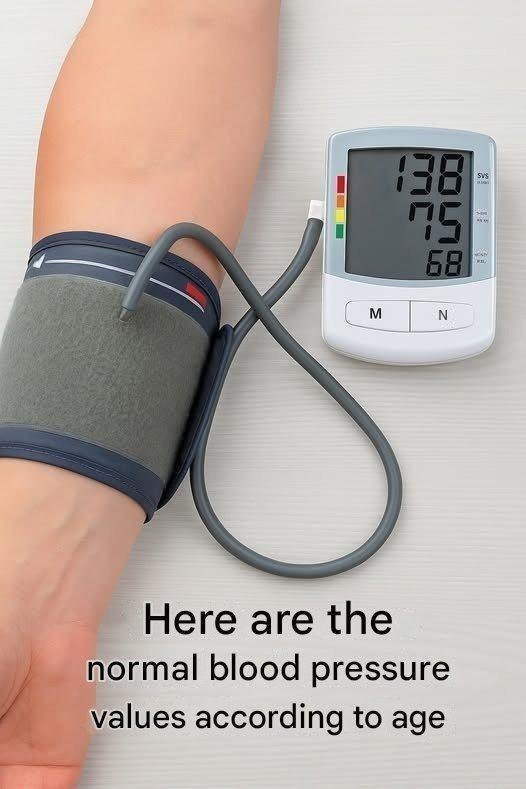
Normal Blood Pressure Values Explained
Learn the normal blood pressure ranges for adults, what the numbers mean, and how to monitor your health effectively.
Introduction
Blood pressure is one of the most important indicators of heart and vascular health. It tells you how hard your heart is working to pump blood through your arteries.
But what exactly counts as “normal”? And when should you start paying attention to higher numbers? Understanding the ranges is key for preventing serious conditions like heart disease or stroke.
Understanding Blood Pressure Readings
Blood pressure is measured in millimeters of mercury (mmHg) and recorded as two numbers:
-
Systolic (top number): Pressure in your arteries when the heart beats
-
Diastolic (bottom number): Pressure when the heart rests between beats
For example, a reading of 120/80 mmHg means:
-
Systolic: 120
-
Diastolic: 80
Normal Blood Pressure Ranges for Adults
According to the American Heart Association, adult blood pressure categories are:
| Category | Systolic (mmHg) | Diastolic (mmHg) |
|---|---|---|
| Normal | Less than 120 | Less than 80 |
| Elevated | 120–129 | Less than 80 |
| Hypertension Stage 1 | 130–139 | 80–89 |
| Hypertension Stage 2 | 140 or higher | 90 or higher |
| Hypertensive Crisis (seek emergency care) | Higher than 180 | Higher than 120 |
Key takeaway: A healthy adult typically has a blood pressure below 120/80 mmHg.
Factors That Influence Blood Pressure
Blood pressure can vary due to many factors:
-
Age: It tends to rise gradually over time
-
Diet: High sodium intake can increase blood pressure
-
Activity level: Sedentary lifestyle may contribute to higher readings
-
Stress: Emotional stress temporarily raises blood pressure
-
Medications: Some prescriptions and over-the-counter drugs affect BP
Tips for Maintaining Healthy Blood Pressure
-
Eat a balanced diet: Focus on fruits, vegetables, whole grains, and low sodium.
-
Exercise regularly: Aim for at least 150 minutes of moderate activity per week.
-
Maintain a healthy weight: Excess weight can raise blood pressure.
-
Limit alcohol and caffeine: Both can temporarily increase readings.
-
Monitor at home: Regular home checks help track trends.
FAQs
Q: Can blood pressure fluctuate during the day?
A: Yes, readings can vary based on stress, activity, and even the time of day.
Q: What is considered high blood pressure in adults?
A: Blood pressure consistently at 130/80 mmHg or higher is considered high (hypertension).
Q: Is low blood pressure dangerous?
A: Low BP is usually harmless if asymptomatic, but extremely low readings can cause dizziness or fainting.
Q: How often should I check my blood pressure?
A: Adults should monitor it regularly, especially if you have risk factors or a history of hypertension.
Conclusion
Normal blood pressure is below 120/80 mmHg, and keeping it in this range helps protect your heart, kidneys, and overall health.
Regular monitoring, a healthy lifestyle, and awareness of influencing factors are the best ways to maintain optimal blood pressure and prevent complications.
-
Normal: <120/80 mmHg
-
Elevated: 120–129/<80 mmHg
-
Hypertension: ≥130/80 mmHg
Monitoring blood pressure and making small lifestyle adjustments can have a big impact on long-term cardiovascular health.