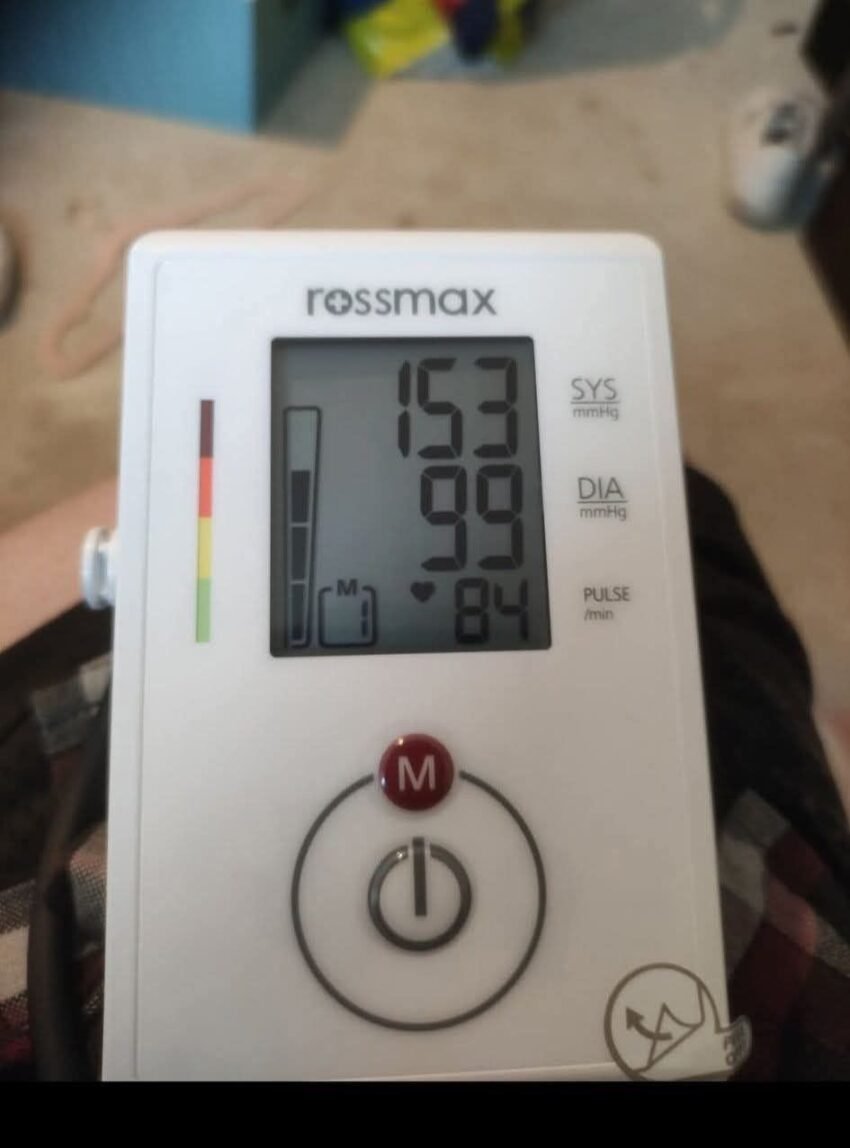
What to Do If Your Blood Pressure Is Too Low
Experiencing low blood pressure? Learn what causes it, warning signs, and effective ways to safely raise and manage your blood pressure.
Low blood pressure, or hypotension, is often overlooked compared to high blood pressure, but it can also pose serious health risks. While some people naturally have lower readings, a sudden drop or consistently low numbers can lead to dizziness, fainting, or organ damage.
Here’s a practical guide on what to do if your blood pressure is too low, including lifestyle strategies, medical considerations, and warning signs.
Understanding Low Blood Pressure
Blood pressure is considered low when it consistently measures:
-
Systolic (top number) < 90 mmHg
-
Diastolic (bottom number) < 60 mmHg
Low blood pressure is not always dangerous, but symptoms may indicate insufficient blood flow to organs like the brain, heart, or kidneys.
Common Causes of Low Blood Pressure
-
Dehydration – Not enough fluids reduces blood volume.
-
Heart issues – Slow heart rate, weak heart, or heart valve problems.
-
Endocrine disorders – Conditions like hypothyroidism or adrenal insufficiency.
-
Medications – Diuretics, blood pressure medicines, or certain antidepressants.
-
Severe infection or blood loss – Can trigger sudden drops.
-
Nutritional deficiencies – Low vitamin B12 or iron can affect red blood cells.
Symptoms of Low Blood Pressure
-
Dizziness or lightheadedness, especially when standing up
-
Fainting or near-fainting episodes
-
Blurred vision
-
Fatigue or weakness
-
Cold, clammy skin
-
Nausea
Tip: If symptoms are sudden, severe, or accompanied by chest pain, shortness of breath, or confusion, seek immediate medical attention.
Practical Steps to Raise Low Blood Pressure
1. Increase Fluid Intake
-
Drink water throughout the day.
-
Include electrolyte-rich drinks if you’re sweating a lot or recovering from illness.
2. Eat Small, Balanced Meals
-
Large meals can cause post-meal hypotension.
-
Focus on high-fiber, moderate protein, and healthy fats.
3. Add Salt Carefully
-
Salt can raise blood pressure, but consult your doctor before increasing intake.
4. Stand Up Slowly
-
Prevent dizziness by rising gradually from sitting or lying down.
-
Avoid sudden posture changes that trigger lightheadedness.
5. Compression Stockings
-
Support blood flow in the legs and reduce pooling of blood.
6. Medication Review
-
If medications are causing low blood pressure, your doctor may adjust dosage or timing.
Lifestyle Tips for Long-Term Management
-
Exercise regularly – Light cardio and strength training improve circulation.
-
Avoid alcohol – Excessive drinking can lower blood pressure.
-
Monitor your blood pressure at home – Track trends to report to your doctor.
-
Eat nutrient-rich foods – Ensure adequate iron, B12, and folate.
When to Seek Immediate Help
Call 911 or go to the ER if low blood pressure is accompanied by:
-
Chest pain or pressure
-
Severe shortness of breath
-
Confusion or disorientation
-
Persistent fainting
These could indicate a medical emergency like shock, heart attack, or severe infection.
Mini Case Scenario
Tom, 62, noticed dizziness and fatigue after changing his blood pressure medication. After consulting his doctor, his dosage was adjusted, he increased hydration, and added small, frequent meals. Within a few weeks, his blood pressure stabilized and his symptoms disappeared.
This shows that low blood pressure is manageable with awareness, lifestyle changes, and medical guidance.
Low blood pressure may seem harmless, but persistent or sudden drops require attention. Steps to manage it safely include:
-
Staying hydrated
-
Eating balanced meals
-
Standing up slowly
-
Reviewing medications with your doctor
Monitoring, lifestyle adjustments, and timely medical evaluation can keep low blood pressure from affecting your daily life.